

Written by: Natalia Hurtado, MSc.1,2,3, Elizabeth Mao1 & Silia Woodside1,2 1 Cape Eleuthera Island School, 2 Perry Institute for Marine Science, 3 Wageningen University
Finding mates – What is coral spawning?
Do you feel that heat? Summer is here and that means it’s time for corals to find mates. As air
temperatures climb, the ocean begins to warm, too, which sends a signal to corals that they should
prepare to spawn (the process through which corals reproduce).
In the dark—hidden beneath the waves—corals are participating in one of the most important events of
their lives. However, because corals are sessile organisms and can’t move, they depend on cues to
release their gametes (reproductive cells) into the water column in synchronized events.
Rising water temperatures, paired with sunset and moonlight cues, help trigger one of the most
incredible natural events in the sea: mass coral spawning. Depending on the species, corals synchronize
and spawn on different days and times, releasing either eggs, sperm, gamete bundles (eggs and sperm
together) or larvae, boosting their chances of creating genetically diverse, resilient offspring.
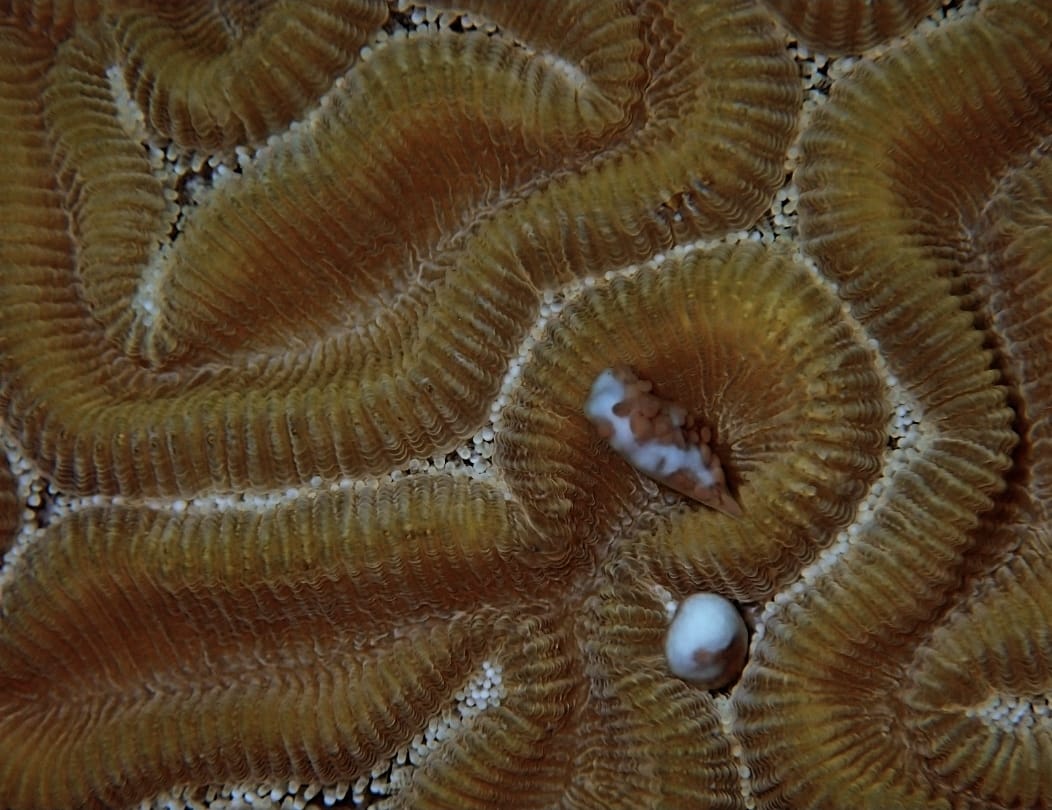
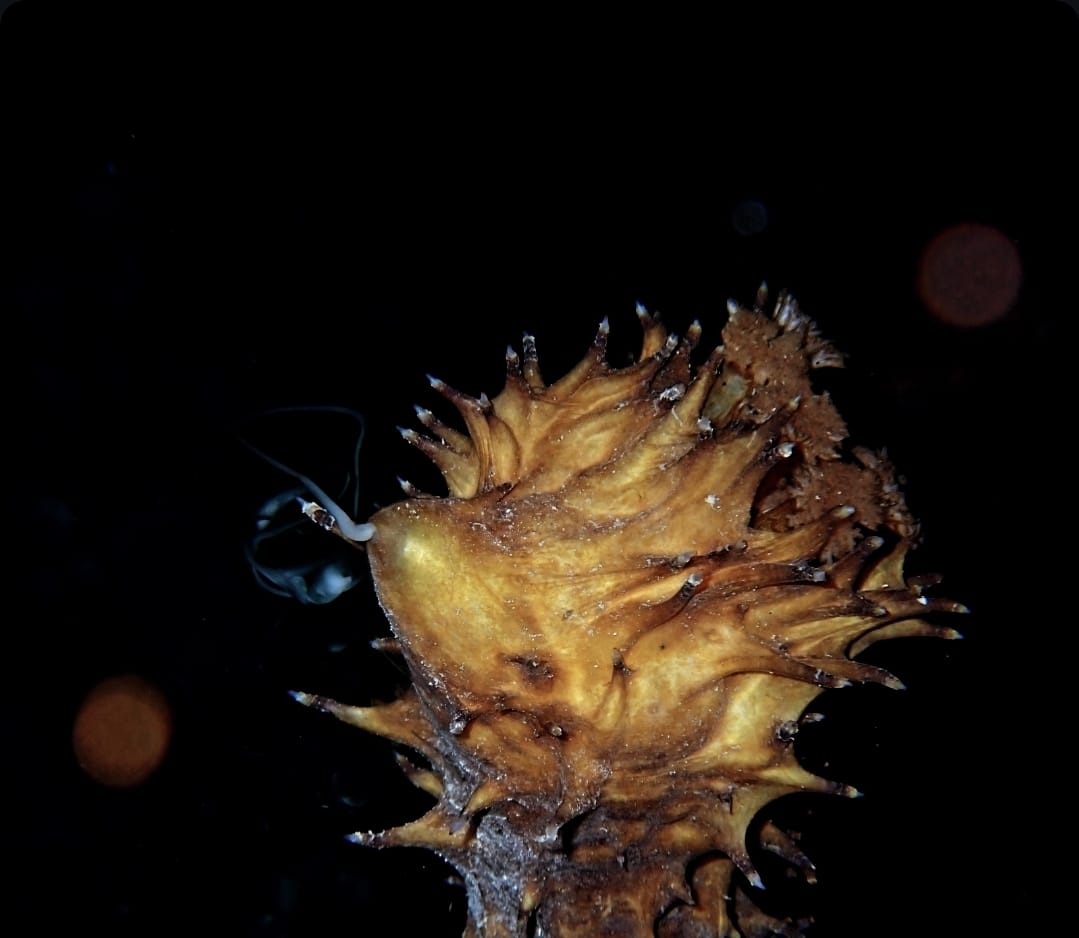
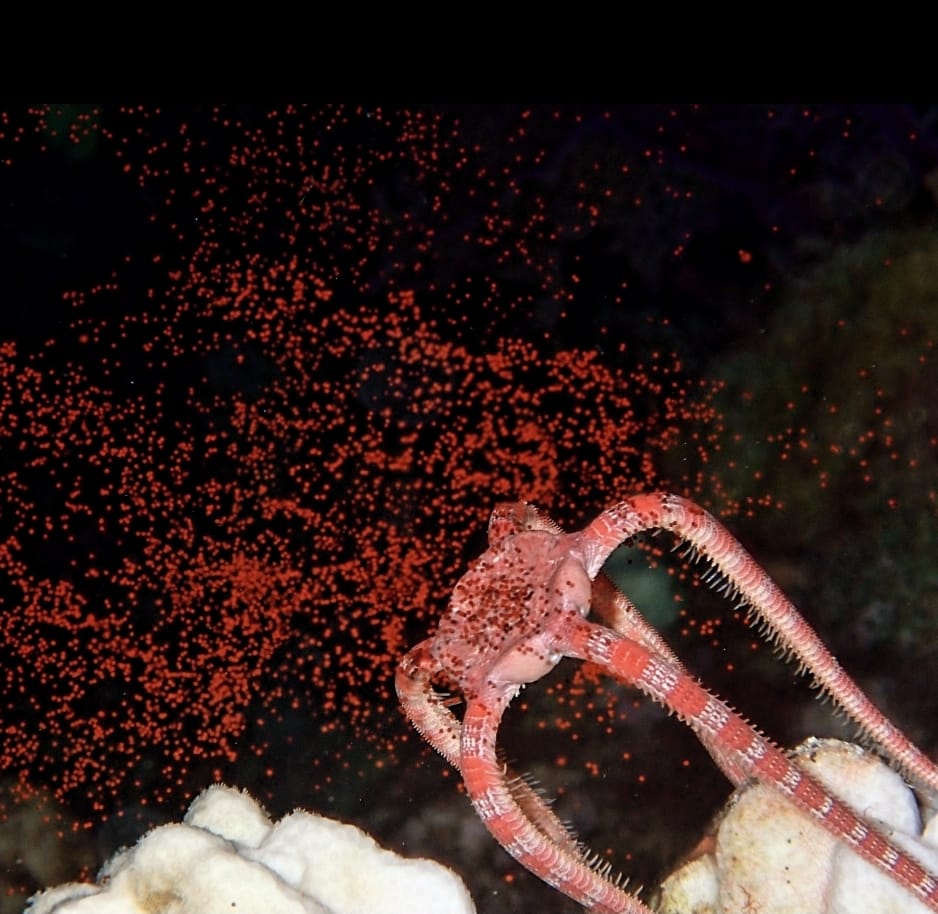
Corals are not the only ones that use environmental cues to spawn, other reef creatures such as soft
corals, brittle stars, sea urchins, worms, and even sponges also tend to spawn around the same time as
coral, so the underwater world truly goes into a reproductive frenzy!
Finding the Perfect Time – When does coral spawning happen?
Scientists around the world have been studying coral spawning events. In Curaçao, located in the
southern Caribbean, spawning predictions based on more than 30 years of research help other locations
understand when spawning happens.
In The Bahamas, specifically in South Eleuthera, The Bahamas Coral Innovation Hub (BCIH), a
collaboration between the Cape Eleuthera Institute and the Perry Institute for Marine Science that is
supported by The Nature Conservancy, has been monitoring coral spawning since 2019. The BCIH team
shares their predictions to the public, focused on coral spawning predictions in The Bahamas. These
predictions have consistently proven accurate, pinpointing peak spawning dates for coral mass spawning
events in the region. Check out the 2025 Coral Spawning predictions and tips at https://capeeleutherainstitute.figshare.com/ to plan a dive or snorkel of your own!
How Scientists Are Involved in Eleuthera – How You Can Be Too!
The BCIH utilizes their spawning predictions to conduct fieldwork. Dives are not only to monitor the
events and help narrow down spawning windows, but also to collect gametes from the water column.
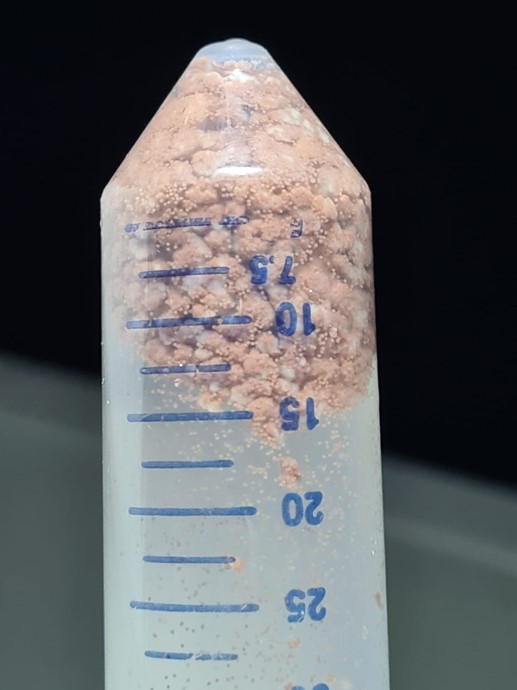
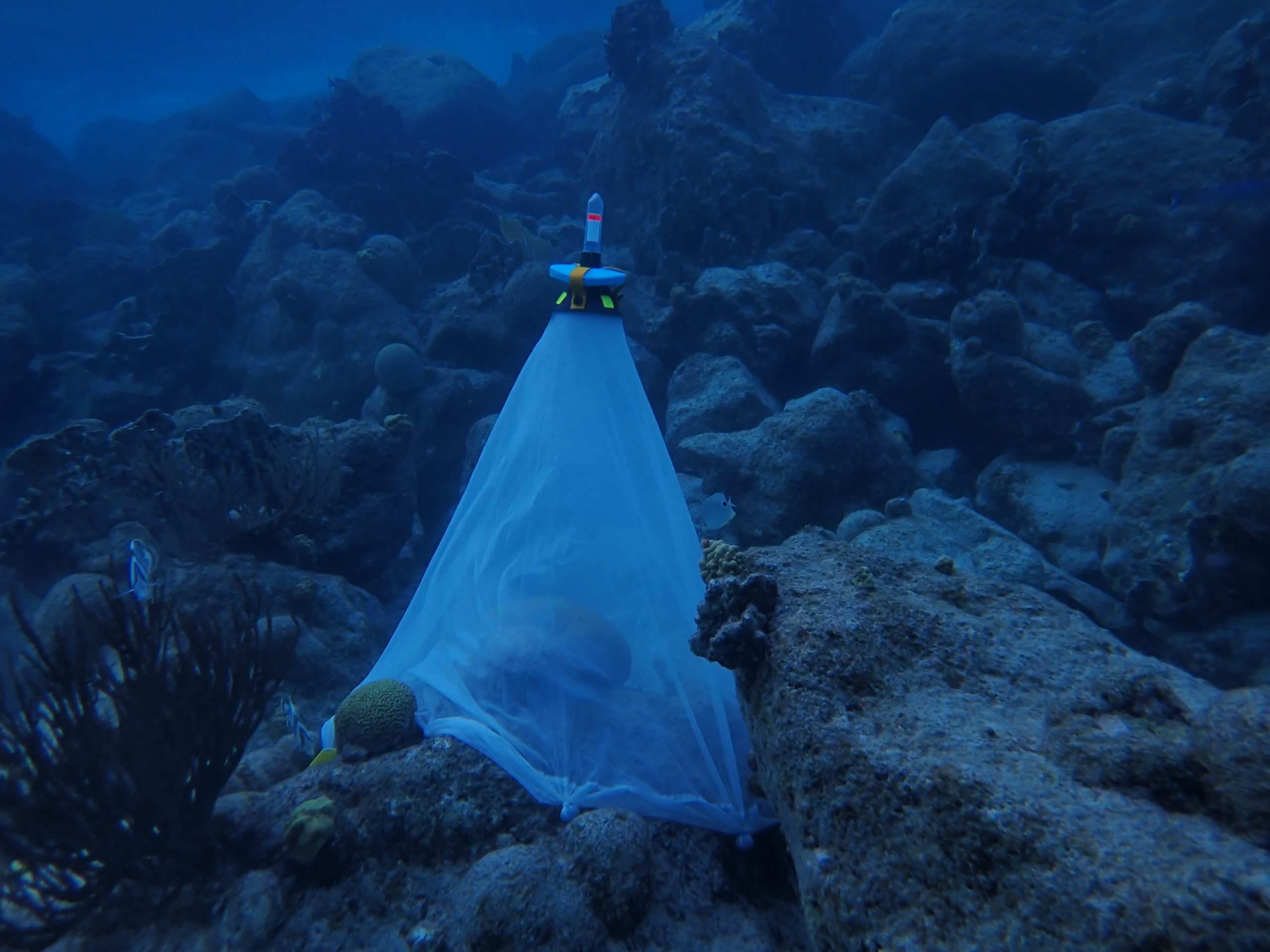
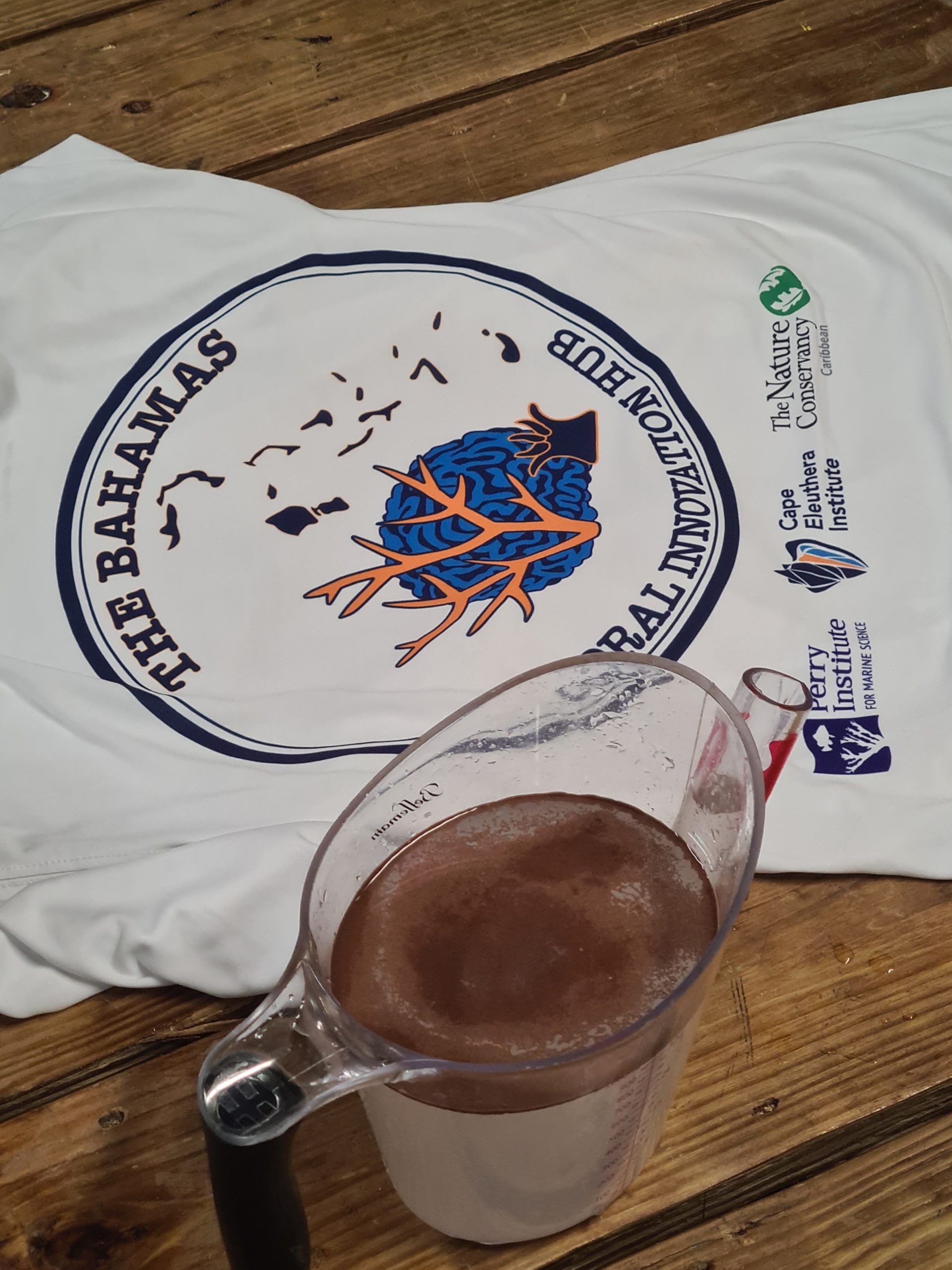
Under specific research permits, the team utilizes nets with test tubes at the top to catch gametes
released by corals. The collected sperm and eggs are fertilized and can then be brought back to the
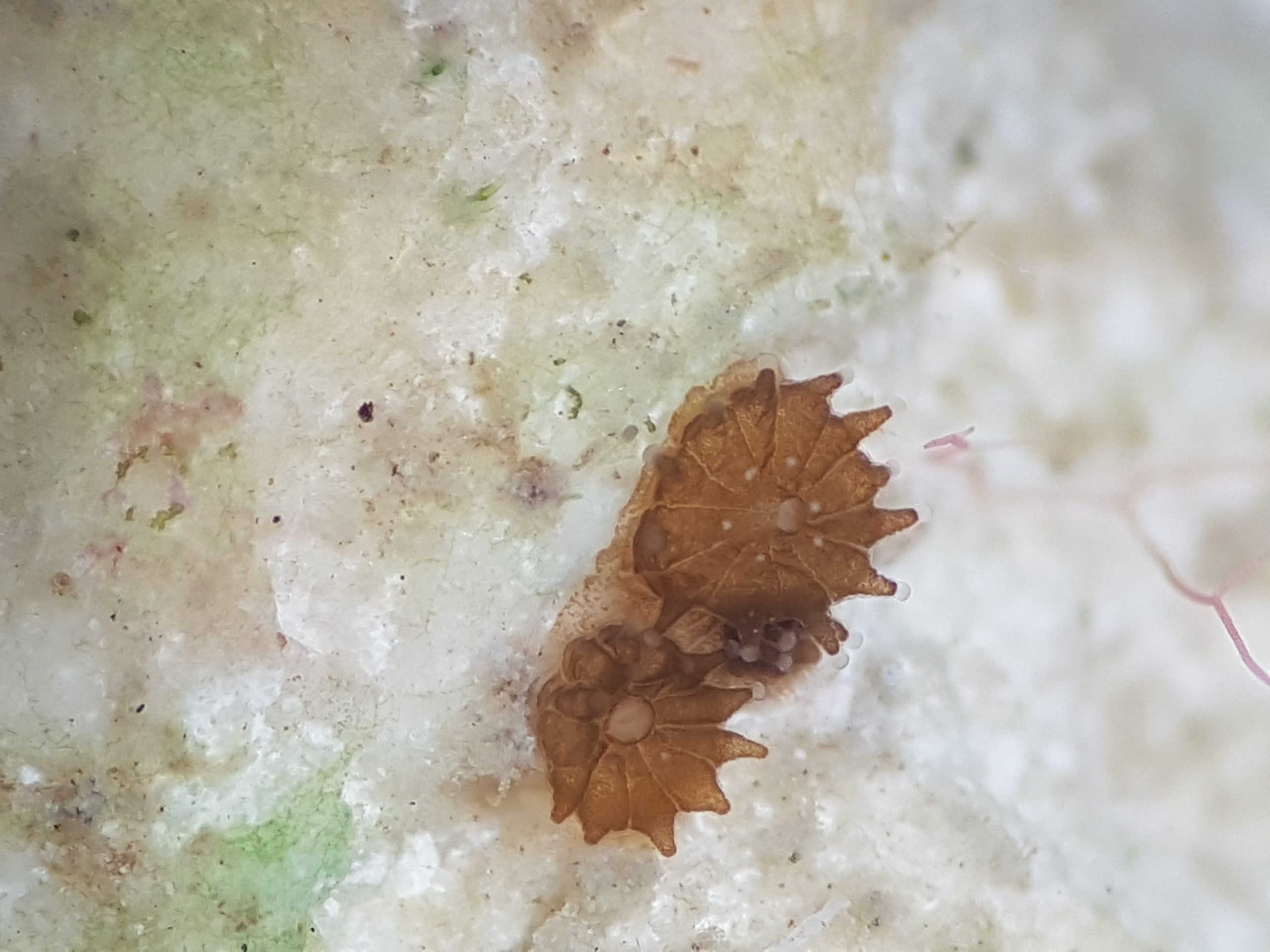
lab-based facilities for larval propagation, monitoring growth and outplanting new corals on Eleuthera’s
reefs. Assisted coral reproduction is key for coral restoration and conservation efforts.
Coral spawning is not just limited to scientific researchers. To experience this magical event and witness
the unique beauty of nature, check out the predictions, and find a shallow area that has a large amount
of coral reef coverage. It is truly a breath-taking experience and gives a peek into the beauty of nature’s
operations. Certain species also have overlapping spawning windows and can be observed at the same
time. In The Bahamas, the peak dates for spawning fall on August 15th and August 16th. If you observe
spawning or have some questions, don’t hesitate to contact our scientist on site
(nataliahurtado@islandschool.org). Whether for recreation or research your sightings can help provide
us with valuable information about the spawning of these important species.
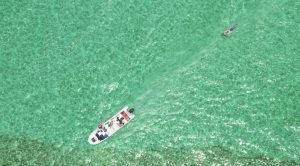
Eleven of twelve Bahamian seafood species are overfished. Now we have the numbers.
A new peer-reviewed paper in Frontiers in Marine Science delivers the first stock assessments for twelve commercially and culturally important Bahamian seafood species. Eleven of the twelve are overfished. Only dolphinfish comes out healthy.

Bluequest Bahamas Wins National Award for Community Coral Restoration
Bluequest Bahamas, a Perry Institute Reef Rescue Network partner based at Delaporte Beach in Nassau, won the Community Conservation, Education, and Action (CCEA) award at the UN Tourism Bahamas Sustainable Islands Challenge. Here is how they built the coral restoration program that earned it.
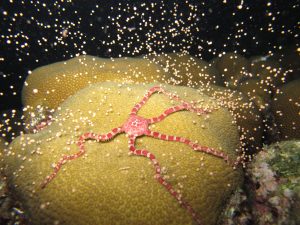
Why Coral Spawning Matters and How It Works
Coral Science & Conservation The Birth of the Next Generation of Bahamian Reefs: Why Coral Spawning Matters Every year, under the light of a late-summer full moon, something extraordinary happens

Listening for Nassau Grouper at Cayos Cochinos
Our Senior Scientist Dr. Krista Sherman just returned from her fourth year training Honduras Coral Reef Foundation staff on acoustic telemetry, listening for Nassau grouper at Roatan Bank.
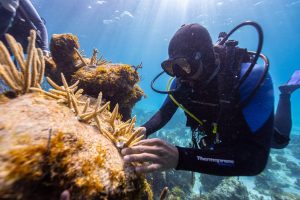
The Complete Guide to Planting Coral Reefs: Restoration Methods That Work
Plan your diving trip to Green Turtle Cay, Bahamas. Discover the best dive sites, coral reefs, how to get there, where to stay, and why this Abaco island is a hidden gem for underwater adventure.
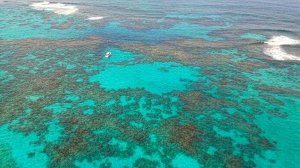
Green Turtle Cay Travel Guide for Divers
Plan your diving trip to Green Turtle Cay, Bahamas. Discover the best dive sites, coral reefs, how to get there, where to stay, and why this Abaco island is a hidden gem for underwater adventure.
