


As some of you may know, we’ve been racing to stop the spread of the ocean’s silent killer, Stony Coral Tissue Loss Disease (SCTLD). We call it “Coral COVID” because once it makes its way to a reef, it kills corals rapidly and spreads with an unprecedented ferocity.
But now, our hard work has been featured in National Geographic and we’re grateful for the opportunity to spread more awareness about this devastating disease impacting waters in Florida, The Bahamas and the Caribbean at large.
To read the National Geographic article and share it with your networks, click here.

About the disease
SCTLD is lethal and catastrophic, propagating via water currents and affecting at least 20 species. Imagine massive colonies of brain, star and pillar corals crumbling into white, algae-covered skeletons. That’s what’s happening, and it’s turning reefs once teaming with life into desolate graveyards.
“Colonies that took hundreds of years to grow can be wiped out in a matter of weeks,” said Dr. Craig Dahlgren, emphasizing the disease’s devastation here in The Bahamas, particularly on reefs around Grand Bahama and New Providence.
“Climate change and the deadly outbreak of SCTLD are a double blow that will put an end to coral reefs in The Bahamas unless we act now,” added Dr. Karlisa Callwood, a marine biologist and the Director of Community Conservation, Education and Action at PIMS. “Stony Coral Tissue Loss Disease is spreading like wildfire and destroying our coral reefs – this is reality and demands urgent attention to save The Bahamas’ primary tourism product.”

How you can help
There are a few things each of us can do to stop the spread of SCTLD, and it begins with education.
1- Learn to identify the disease. That way, if you see the tell-tale signs of white, exposed skeletal patches on corals (especially brain, pillar and star corals), you can report it on our website.
2- If you’re scuba diving in the Caribbean, please disinfect your gear after each dive to prevent the accidental transmission of this disease between reefs. Dunking your gear in a bucket of sodium percarbonate & seawater works well for this. For more detailed information, check out the poster below!
3- Lastly, consider supporting our work by donating. We’re a 501(c)(3) non-profit with a home in The Bahamas and a reach throughout the Caribbean. All donations are tax-deductible.

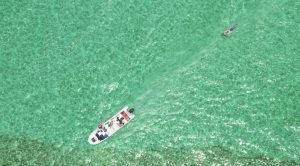
Eleven of twelve Bahamian seafood species are overfished. Now we have the numbers.
A new peer-reviewed paper in Frontiers in Marine Science delivers the first stock assessments for twelve commercially and culturally important Bahamian seafood species. Eleven of the twelve are overfished. Only dolphinfish comes out healthy.
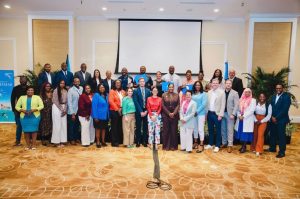
Bluequest Bahamas Wins National Award for Community Coral Restoration
Bluequest Bahamas, a Perry Institute Reef Rescue Network partner based at Delaporte Beach in Nassau, won the Community Conservation, Education, and Action (CCEA) award at the UN Tourism Bahamas Sustainable Islands Challenge. Here is how they built the coral restoration program that earned it.
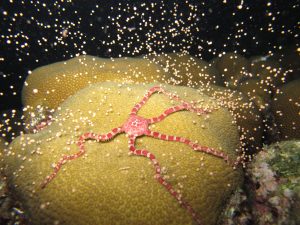
Why Coral Spawning Matters and How It Works
Coral Science & Conservation The Birth of the Next Generation of Bahamian Reefs: Why Coral Spawning Matters Every year, under the light of a late-summer full moon, something extraordinary happens
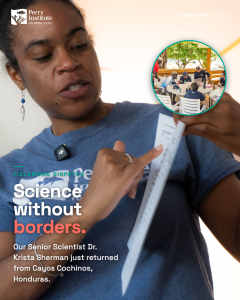
Listening for Nassau Grouper at Cayos Cochinos
Our Senior Scientist Dr. Krista Sherman just returned from her fourth year training Honduras Coral Reef Foundation staff on acoustic telemetry, listening for Nassau grouper at Roatan Bank.
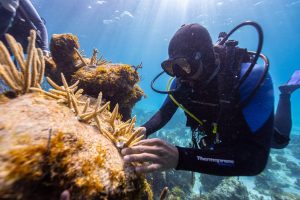
The Complete Guide to Planting Coral Reefs: Restoration Methods That Work
Plan your diving trip to Green Turtle Cay, Bahamas. Discover the best dive sites, coral reefs, how to get there, where to stay, and why this Abaco island is a hidden gem for underwater adventure.
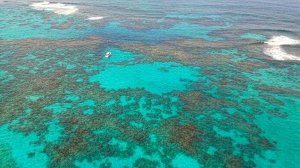
Green Turtle Cay Travel Guide for Divers
Plan your diving trip to Green Turtle Cay, Bahamas. Discover the best dive sites, coral reefs, how to get there, where to stay, and why this Abaco island is a hidden gem for underwater adventure.
