

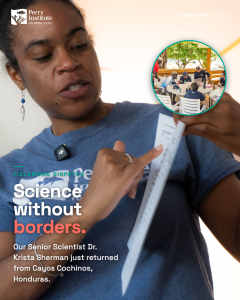
Listening for Nassau Grouper at Cayos Cochinos
Our Senior Scientist Dr. Krista Sherman just returned from her fourth year training Honduras Coral Reef Foundation staff on acoustic telemetry, listening for Nassau grouper at Roatan Bank.
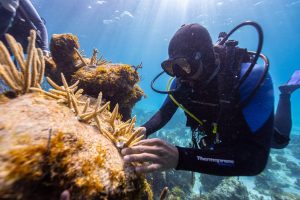
The Complete Guide to Planting Coral Reefs: Restoration Methods That Work
Plan your diving trip to Green Turtle Cay, Bahamas. Discover the best dive sites, coral reefs, how to get there, where to stay, and why this Abaco island is a hidden gem for underwater adventure.
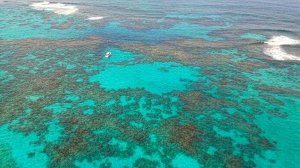
Green Turtle Cay Travel Guide for Divers
Plan your diving trip to Green Turtle Cay, Bahamas. Discover the best dive sites, coral reefs, how to get there, where to stay, and why this Abaco island is a hidden gem for underwater adventure.
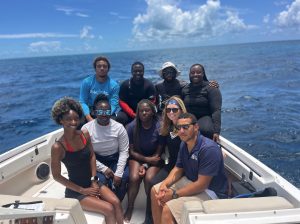
Become a PADI Dive Instructor in The Bahamas | Conservation-Focused IDC
Become a PADI Dive Instructor in The Bahamas | Conservation-Focused IDC | Perry Institute for Marine Science Education & Training Ready to take your diving skills to the next level
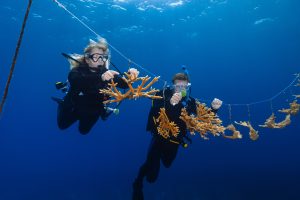
Stream2Sea Coral Care: The World’s First Reef-Positive Sunscreen
Stream2Sea Coral Care: The World’s First Reef-Positive Sunscreen | Perry Institute for Marine Science Conservation Partners Stream2Sea Coral Care: The World’s First Reef-Positive Sunscreen Discover why PIMS has partnered with

Build a Coral Reef for the Holidays | PIMS x Partanna
PIMS is partnering with Partanna to build a 100m² carbon-negative reef. Rick Fox is matching donations up to $25k. Help us build a sanctuary for the future.
