

Fisheries
HABITAT MONITORING &
RESTORATION
STAKEHOLDER ENGAGEMENT, COMMUNICATION & OUTREACH
MARINE RESOURCE MANAGEMENT & CONSERVATION
What We Do.

Our goal is to create sustainable fisheries and healthy ecosystems that support biodiversity, livelihoods, ecosystem services. To do this, we collaborate with local and international scientists and key stakeholders to assess marine fish species, support effective fisheries policy and governance, and to promote behavioral change for ongoing conservation management in The Bahamas and Caribbean.
Fisheries

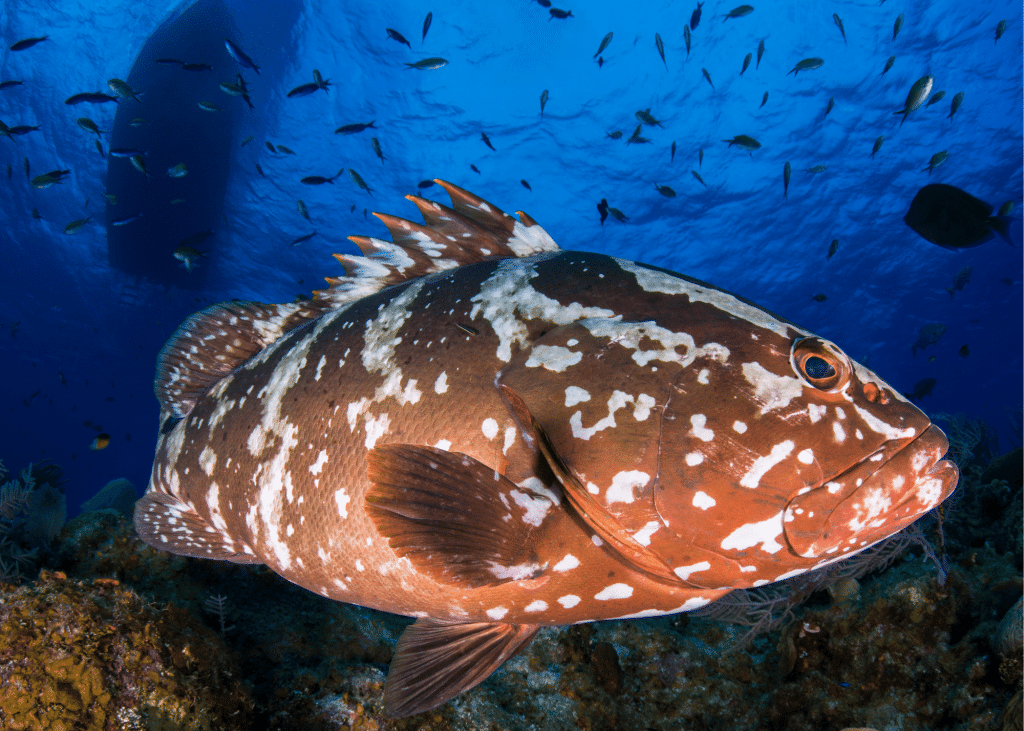
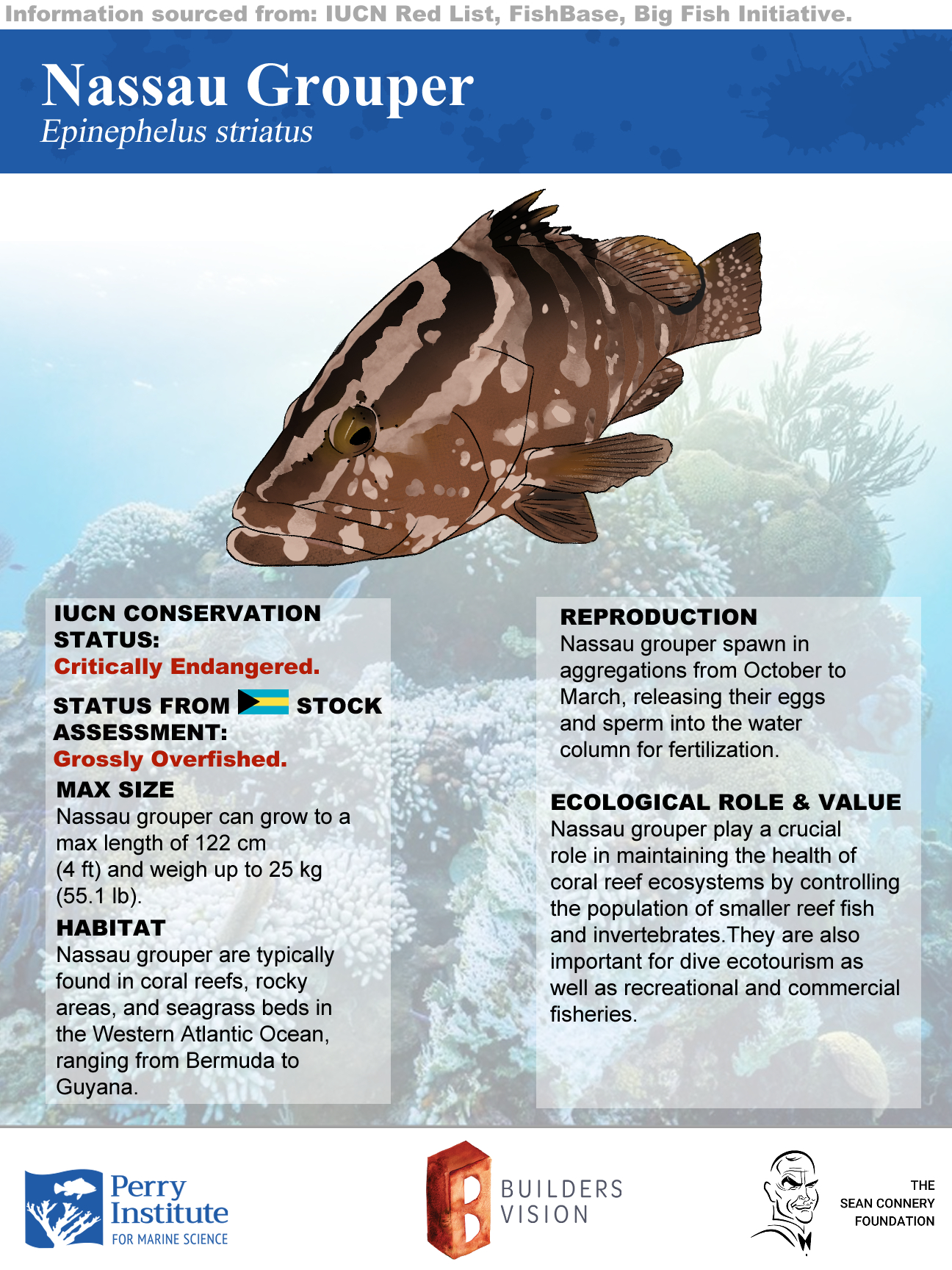
Many commercially important fish species – like the Nassau grouper – are under threats that endanger their long-term viability. We seek to better understand how these species behave within their habitats, and assess the impact human intervention is having on marine populations.
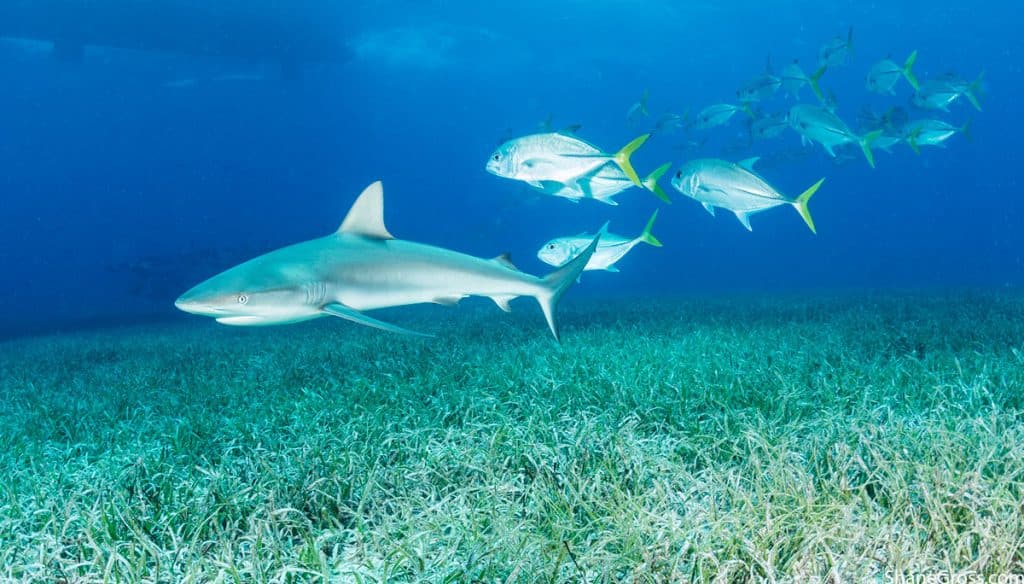
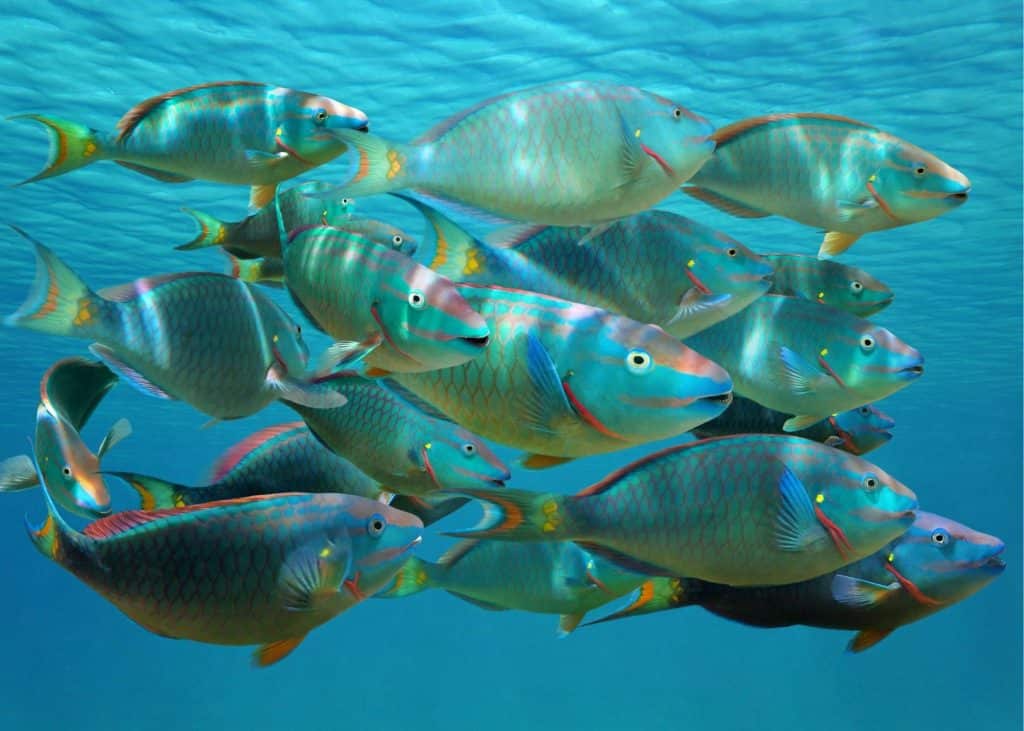
Groupers and snappers, for example, gather in large schools of hundreds to thousands of fish every year to reproduce. We closely monitor these massive gatherings, called Fish Spawning Aggregations (FSAs), to discover how we can best preserve these species for decades to come.
Did you see a Fish Spawning Aggregation while you were on the water?
Habitat Monitoring
& Restoration
When designed properly, Marine Protected Areas (MPAs) help us manage and replenish vital fisheries, protect marine ecosystems, and build coral reef resilience. To this end, we work with local partners to develop ecological and socioeconomic criteria for designating MPAs across the Caribbean. We also conduct rapid ecological assessments to evaluate MPAs and implement best-practice management plans.
Stakeholder
Engagement,
Communication &
Outreach
Stakeholder
Engagement,
Communication & Outreach
Stakeholder Engagement,
Communication & Outreach
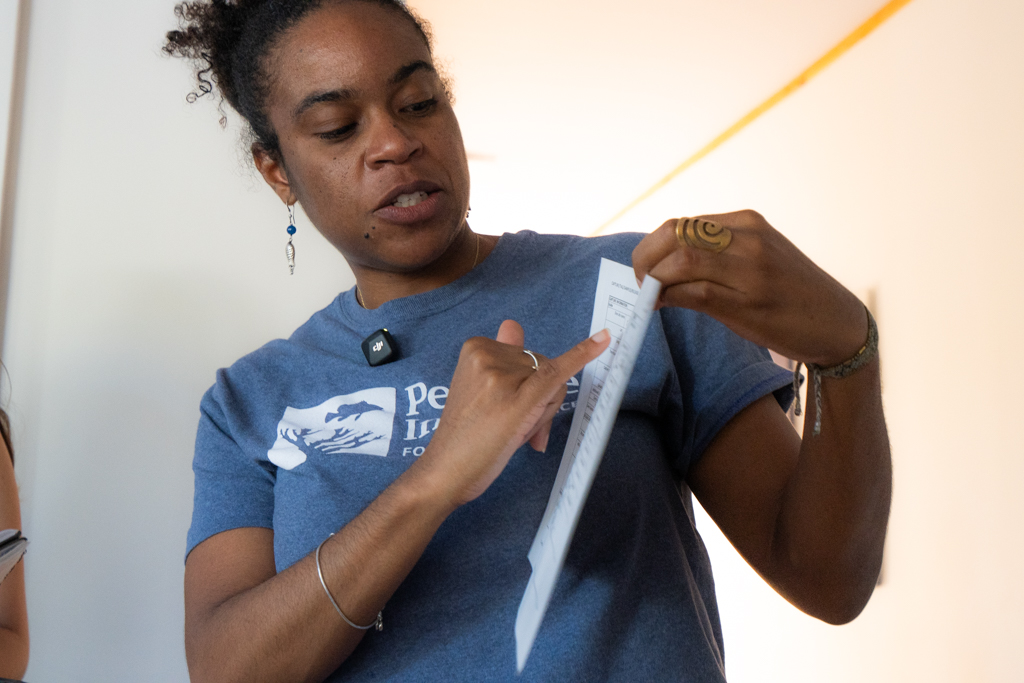
Science-based management is not enough. Communication and outreach are essential tools in our arsenal that we use to shift people’s behaviors and attitudes, as well as foster policies aimed at protecting fisheries, ecosystems and food security. We work with local governments, NGOs, partners and more to guide fishery regulations, marine spatial planning and ecosystem-based management in The Bahamas and the Caribbean.
Marine Resource Management & Conservation
At the Perry Institute, we do everything we can to ensure our marine resources are sustainably managed. We’re currently investigating emerging fisheries in The Bahamas and they’re overall impact on reef health, as well as developing sustainable strategies to harvest Antillogorgia elisabethae across the Caribbean. Antillogorgia elisabethae is a soft branching gorgonian coral that is used extensively by cosmetic and pharmaceutical industries because of its anti-inflammatory and pain-relieving properties.
Research
Grouper. Snapper. Conch. Lobster. The species that sustain coastal communities across the tropics are disappearing faster than most governments can measure. For over 50 years, Perry Institute scientists have been putting peer-reviewed numbers on the problem and science behind the solutions, across seven countries from The Bahamas to Madagascar.
New Research: Bahamian Stock Assessment
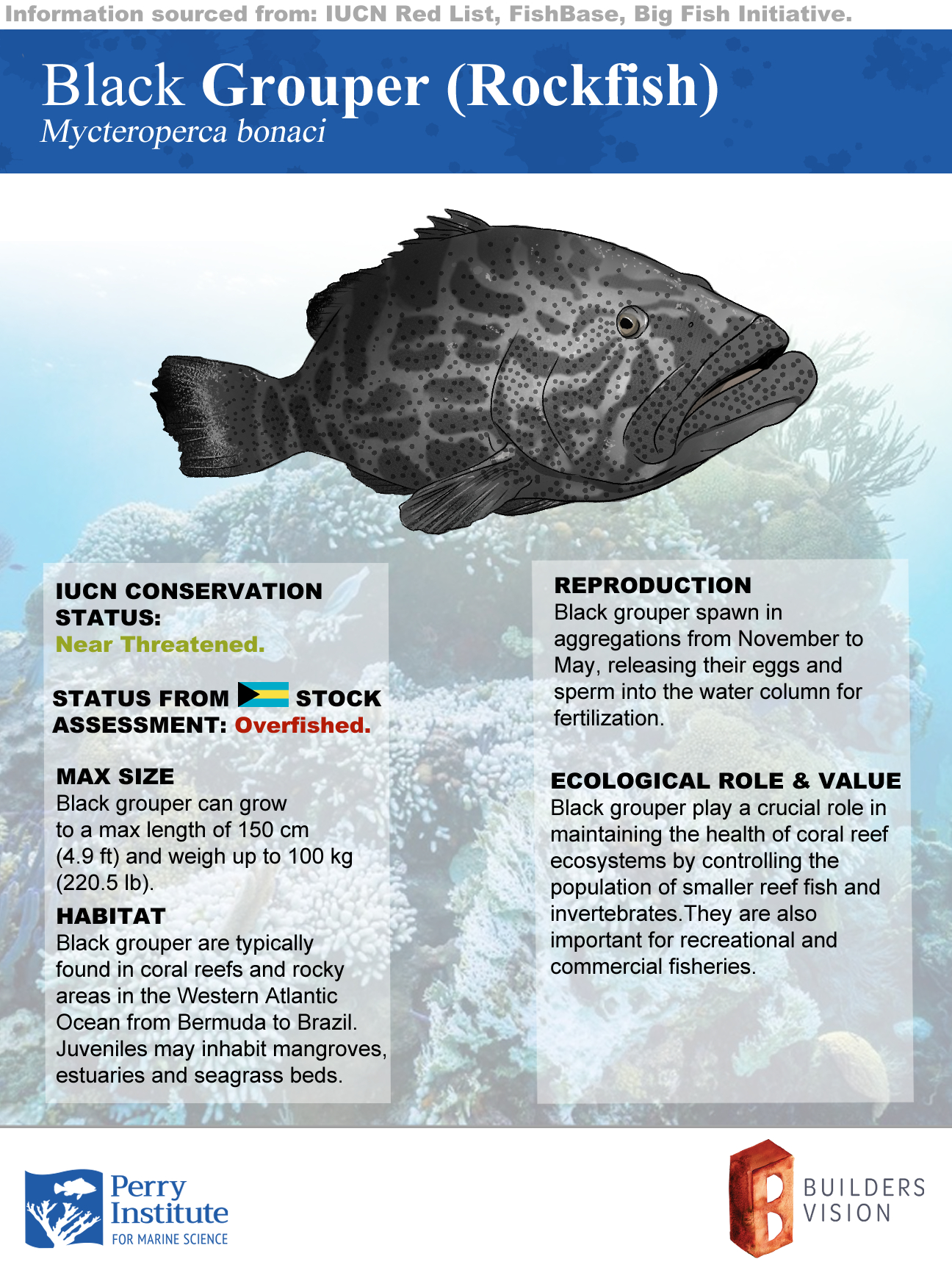
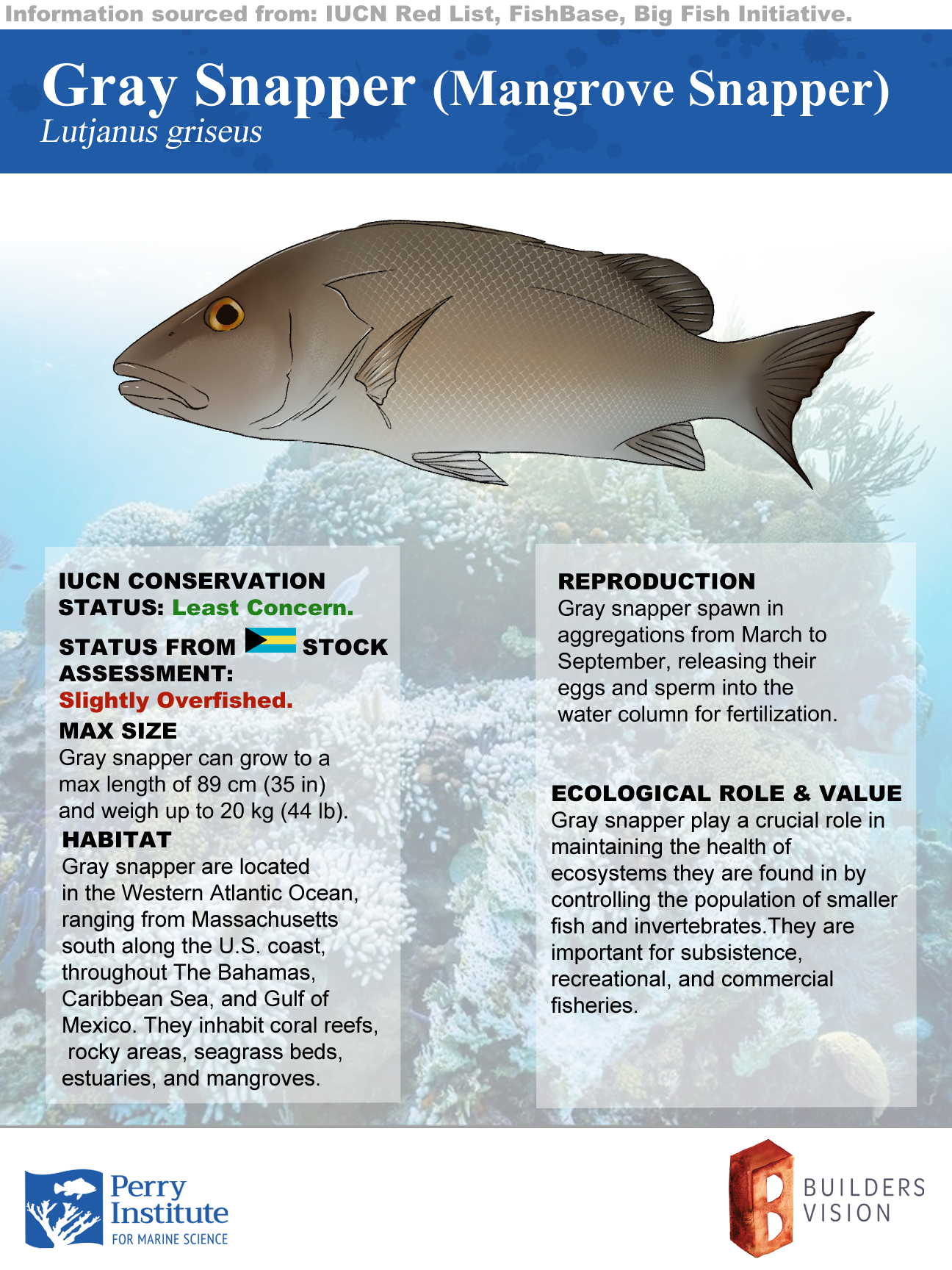
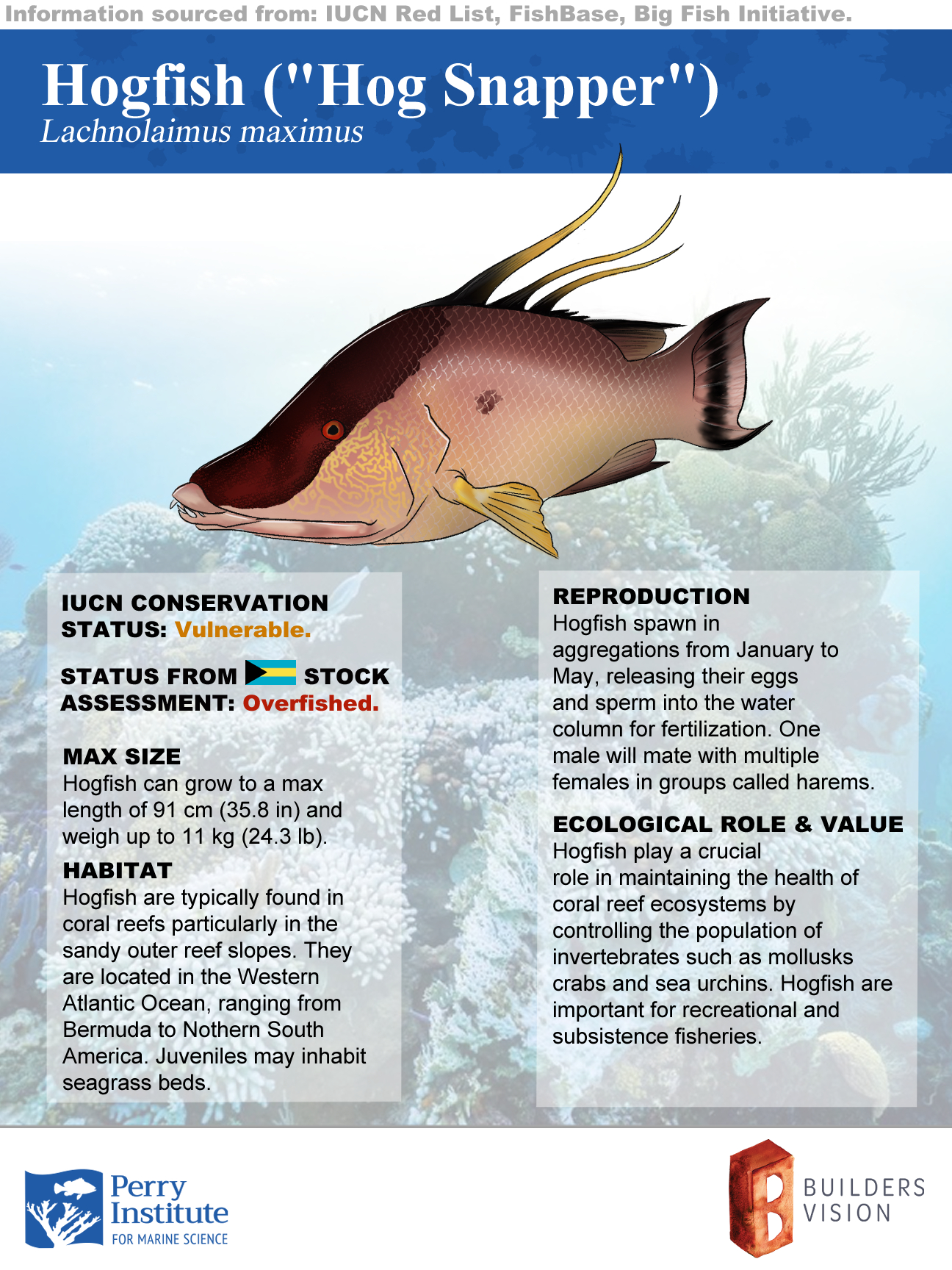
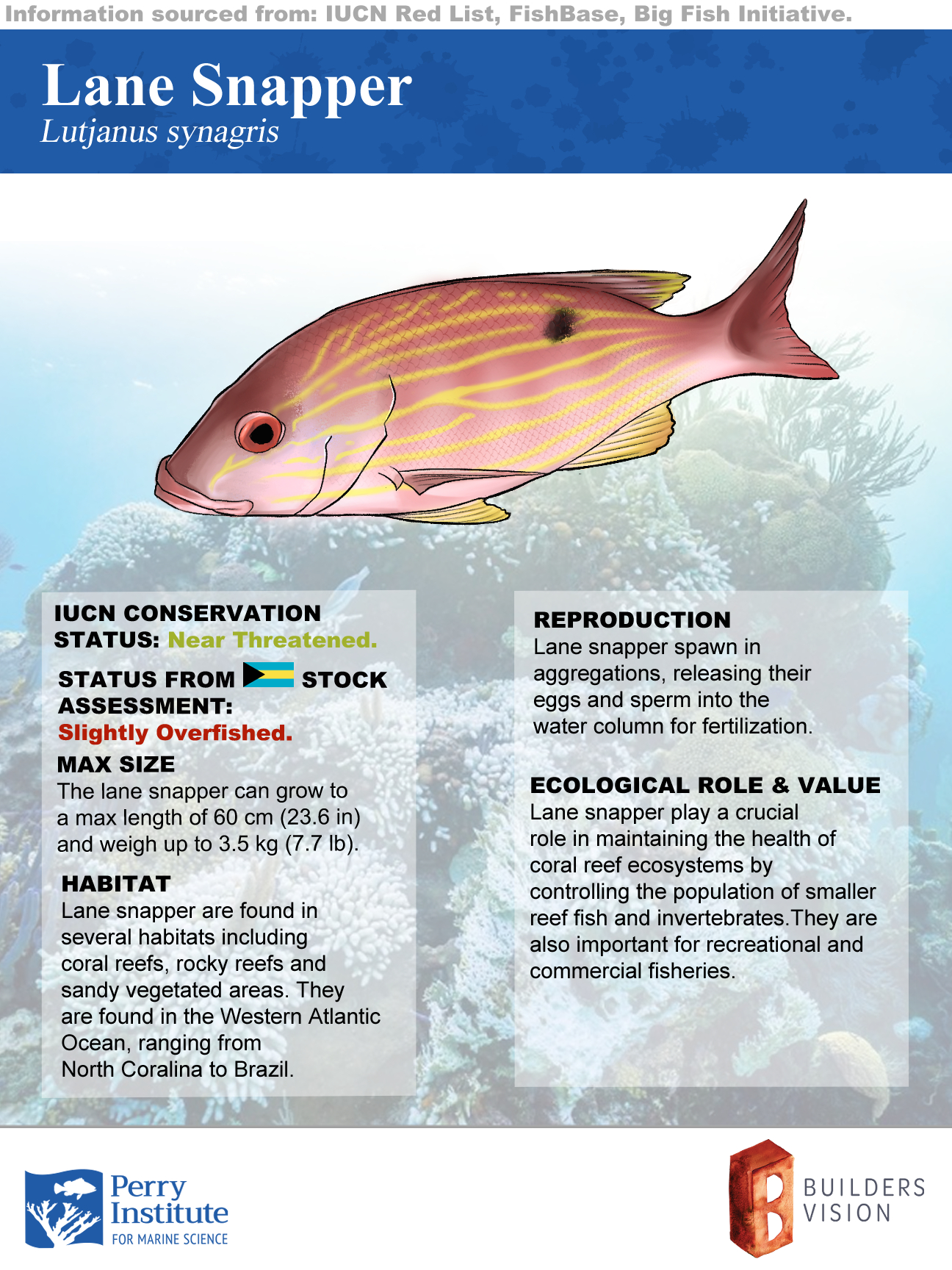
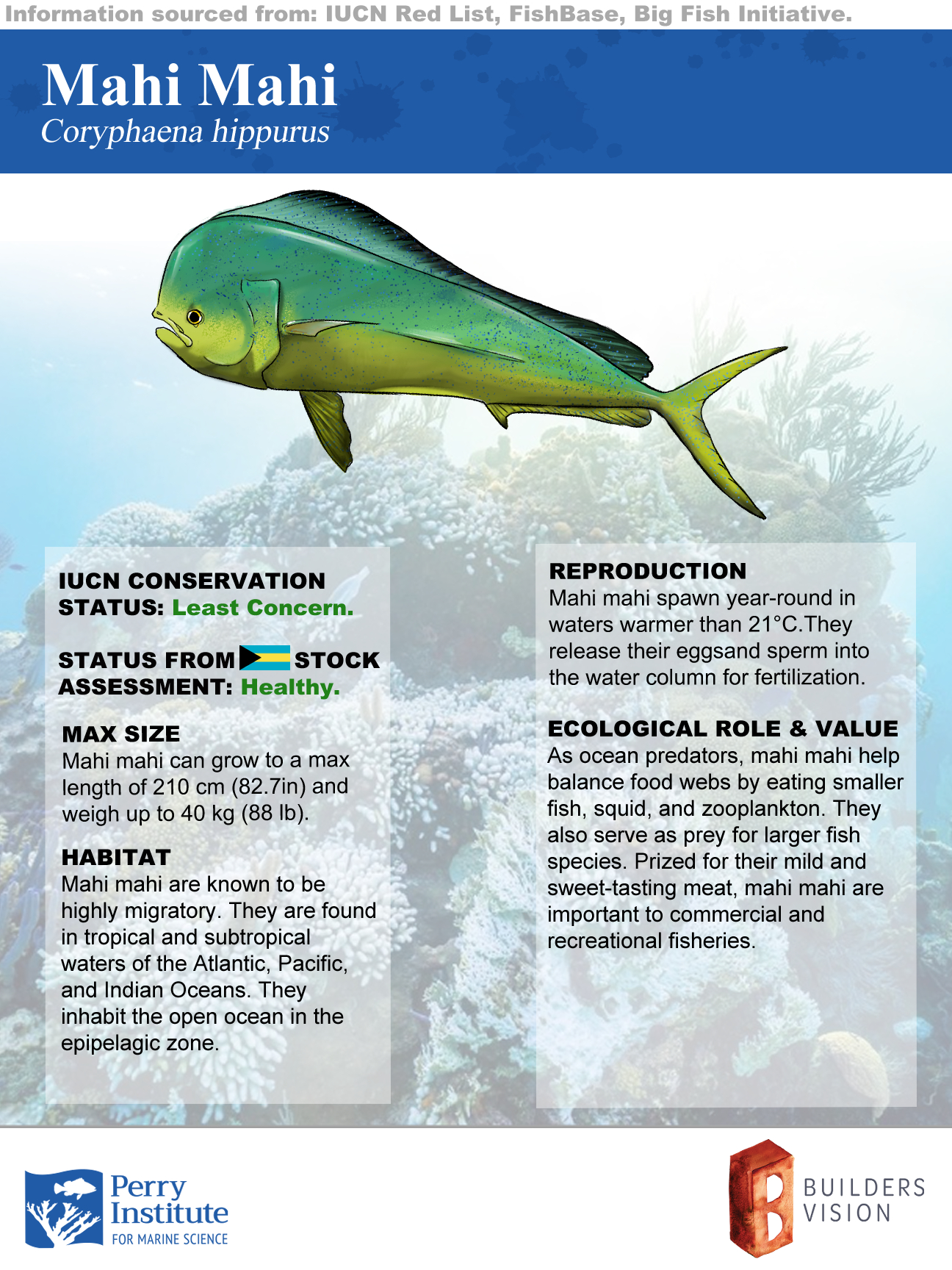
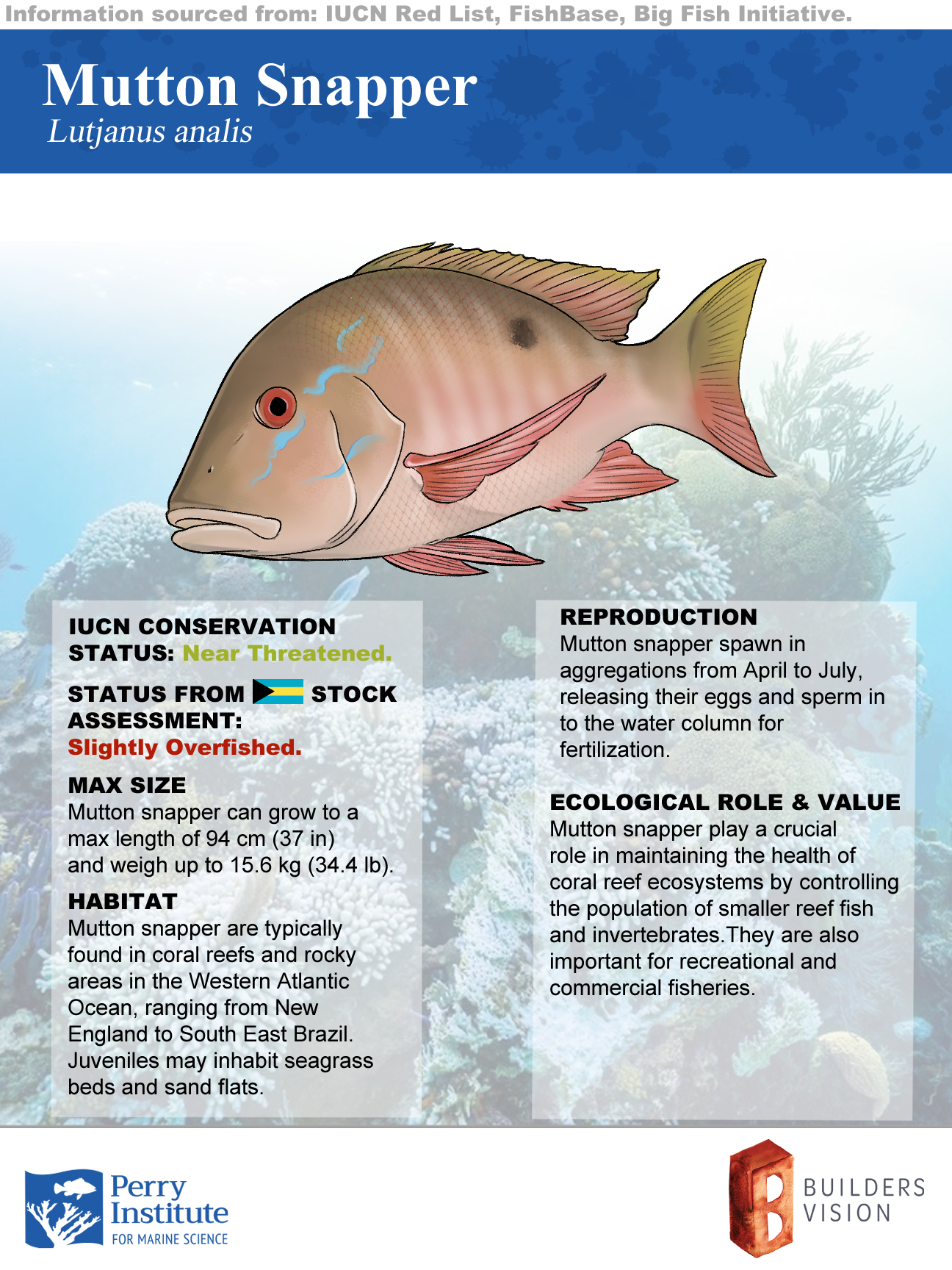
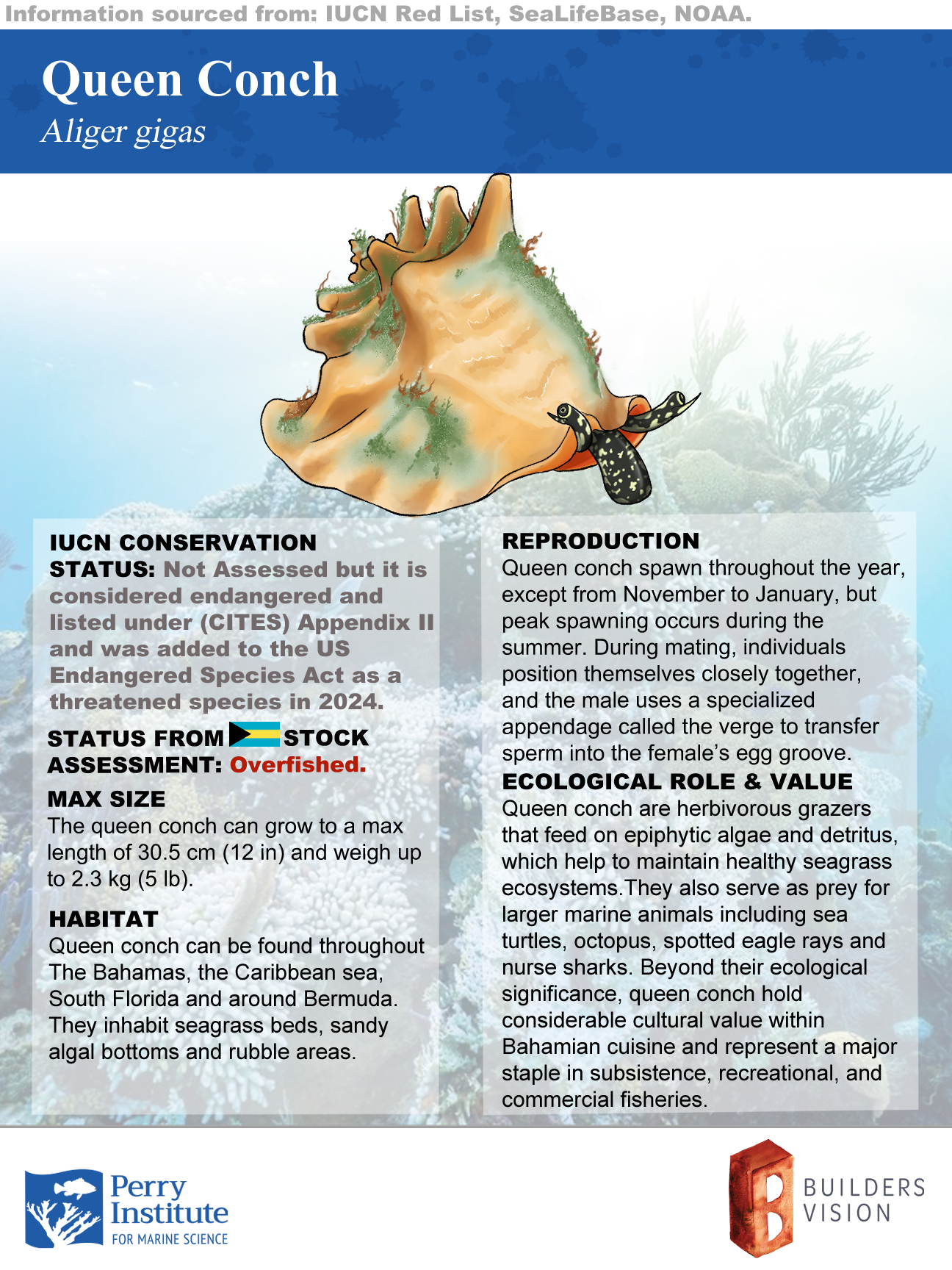
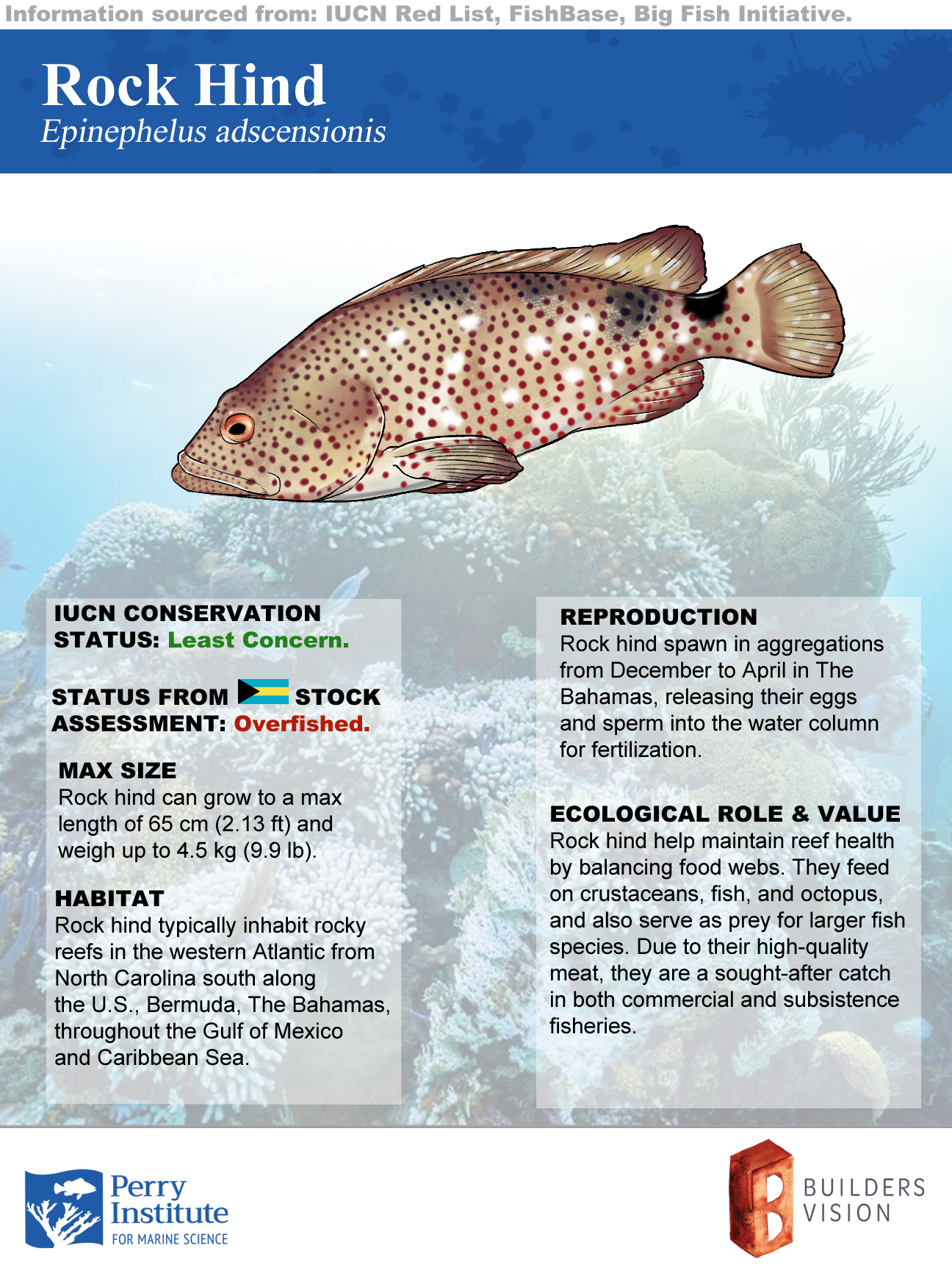
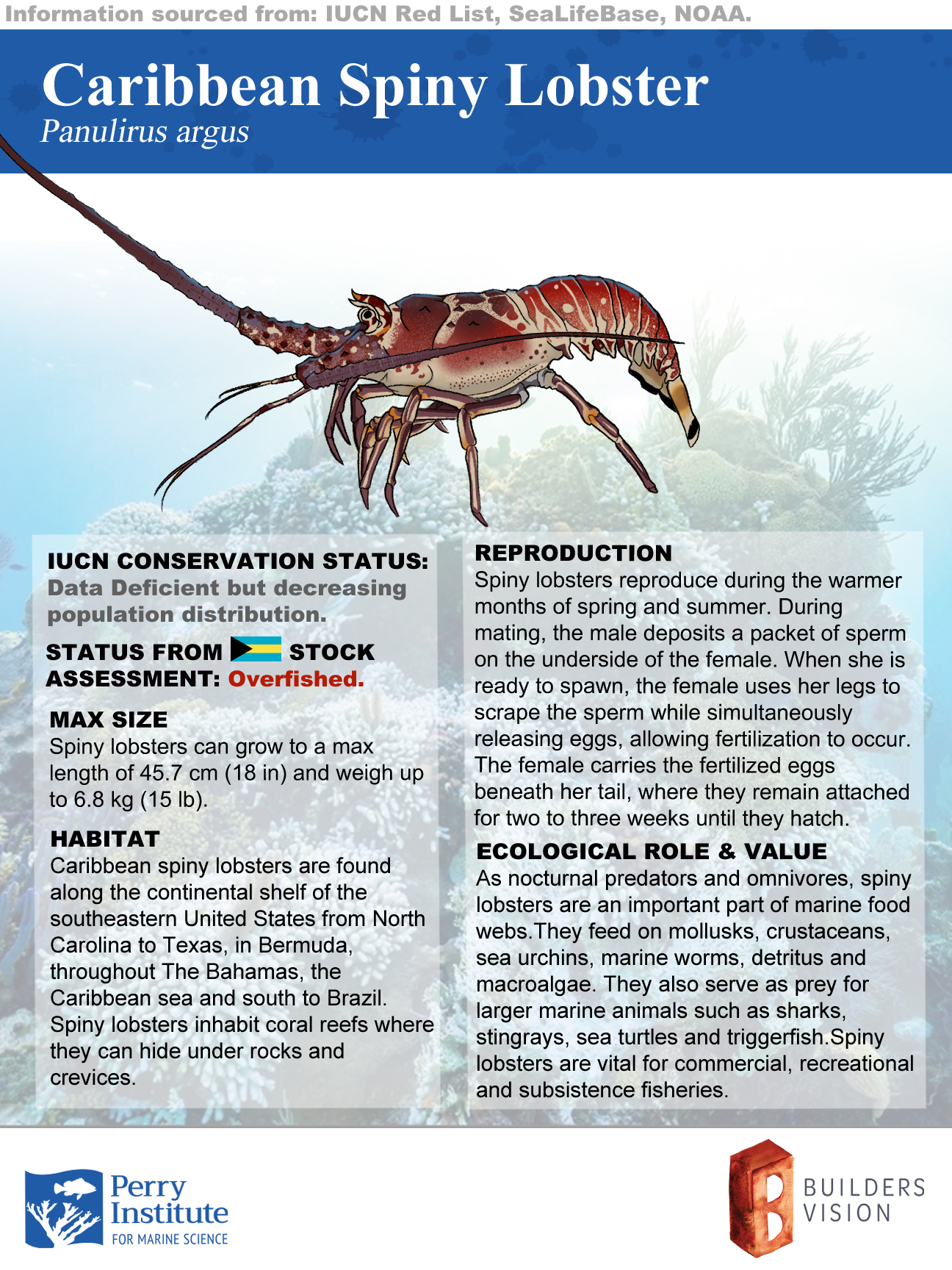
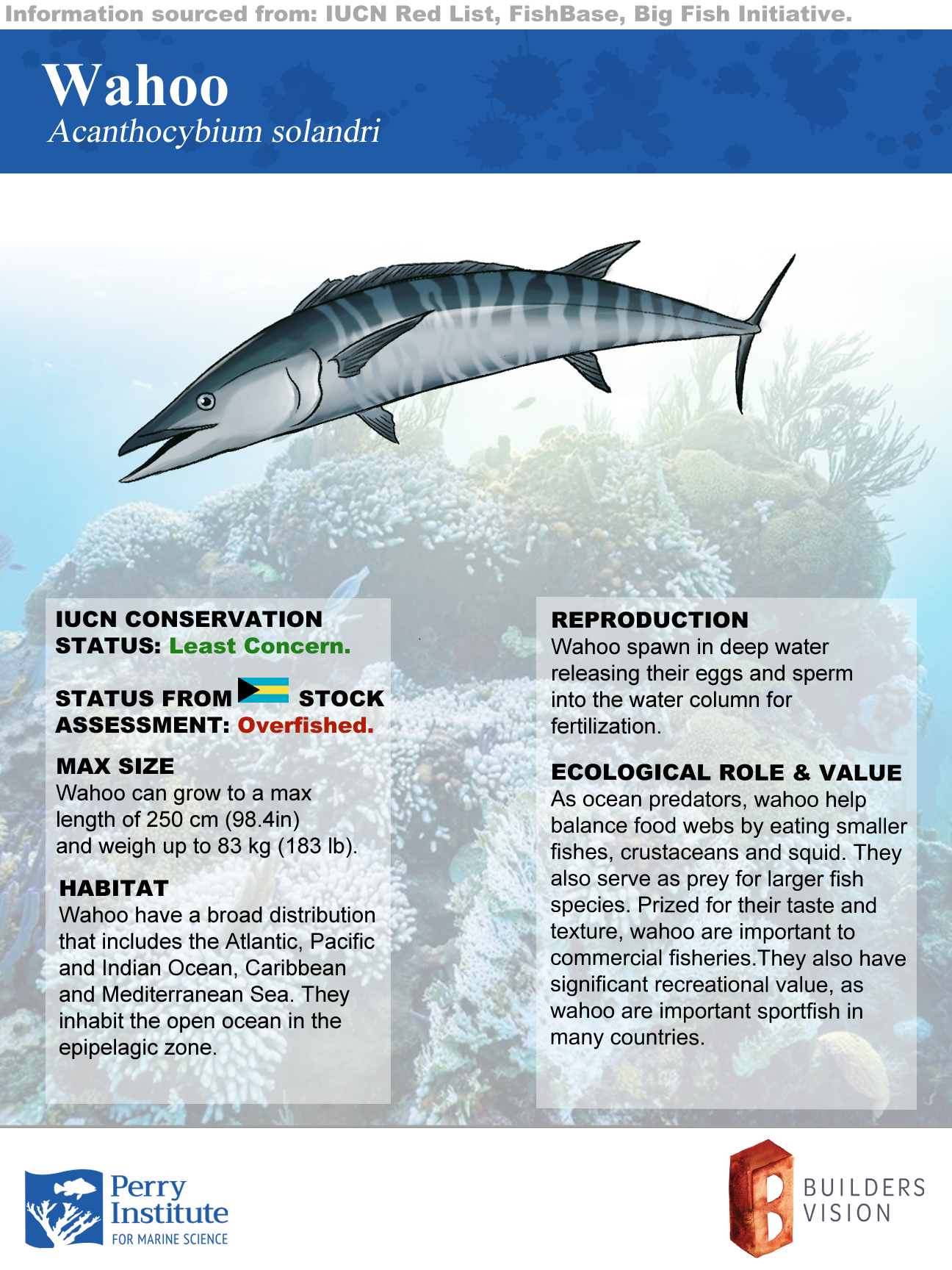
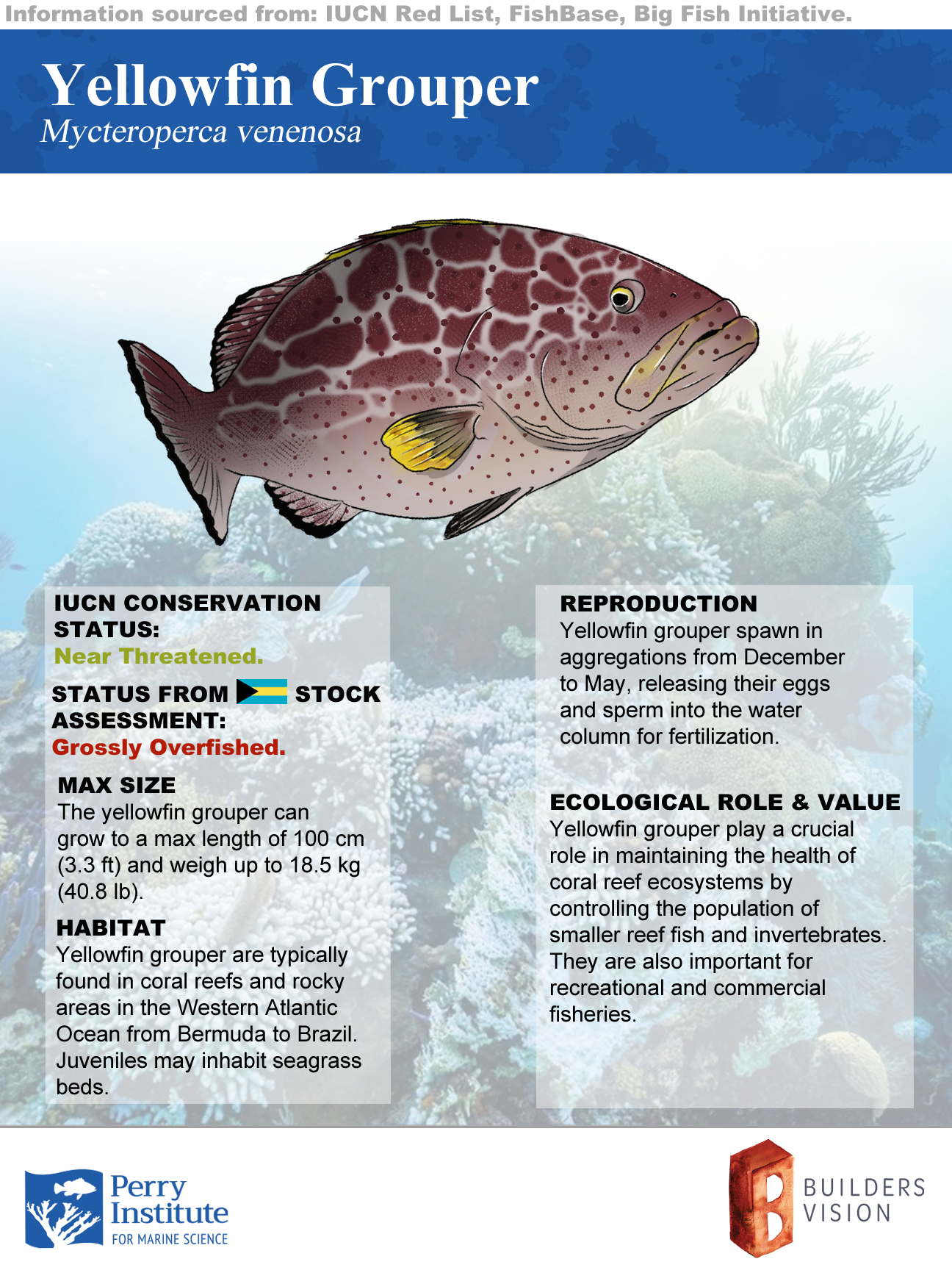
For the first time, scientists have produced peer-reviewed stock assessments for twelve of the most commercially and culturally important marine species in The Bahamas. The findings, published in Frontiers in Marine Science and co-authored by PIMS scientists Dr. Krista Sherman and Dr. Craig Dahlgren, draw on reconstructed catch records spanning 73 years (1950 to 2022). Of the twelve species evaluated, eleven are overfished to some degree. Only dolphinfish is classified as healthy.
The assessment provides a critical foundation for evidence-based fisheries management in The Bahamas. Download the species fact sheets below, illustrated by Bahamian scientific illustrator Andrew Knowles.
Species Fact Sheets
Stay Connected

Become part of our growing community dedicated to restoring coral reefs and protecting marine life. Subscribe for inspiring stories, research insights, job opportunities, and ways to get involved.