

Why Coral Spawning Matters and How It Works

Coral Science & Conservation

The Birth of the Next Generation of Bahamian Reefs: Why Coral Spawning Matters

Every year, under the light of a late-summer full moon, something extraordinary happens across Bahamian coral reefs. Millions of coral colonies simultaneously release eggs and sperm into the water column in one of the most spectacular reproductive events in the natural world. This is mass coral spawning, and it may be the single most important event in the coral life cycle for the future of Caribbean reefs.

What Is Coral Spawning?

Mass coral spawning is a synchronized reproductive event where entire populations of stony corals release their gametes (eggs and sperm) into the water simultaneously. In The Bahamas, this typically occurs in late August or September, several nights after the full moon, when water temperatures, lunar cycles, and tidal conditions align.

The timing is not random. Research published in the journal Coral Reefs has shown that spawning is triggered by a precise combination of factors: sea surface temperatures (usually above 27.5°C), specific lunar phases (typically 3-8 nights after a full moon), and reduced wave action. When all conditions converge for a coral species, the result is a mass release of billions of reproductive cells across the reef.

25+
Species Spawn Together
Billions
Gametes Released
3-8
Nights After Full Moon

Most Caribbean stony corals are broadcast spawners, meaning they release both eggs and sperm into the open water where fertilization occurs externally. Some species are hermaphroditic, producing both egg and sperm bundles, while others have separate male and female colonies. The synchronization ensures that gametes from different colonies, and even different species, have the best chance of meeting in the water column.

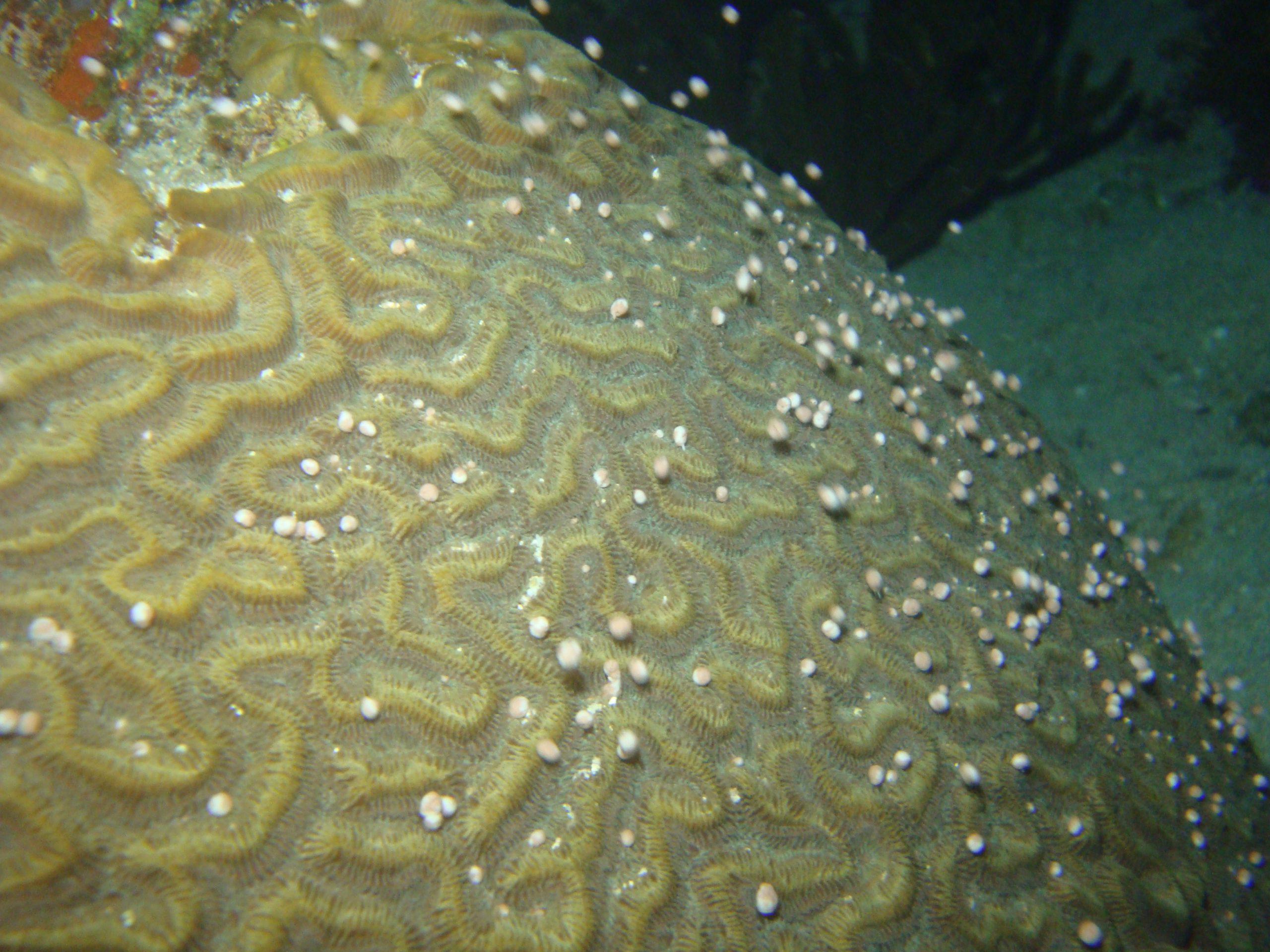
A brain coral (Pseudodiploria strigosa) releasing gamete bundles. Spawning is timed to full moon cycles, typically occurring days after the August or September full moon.
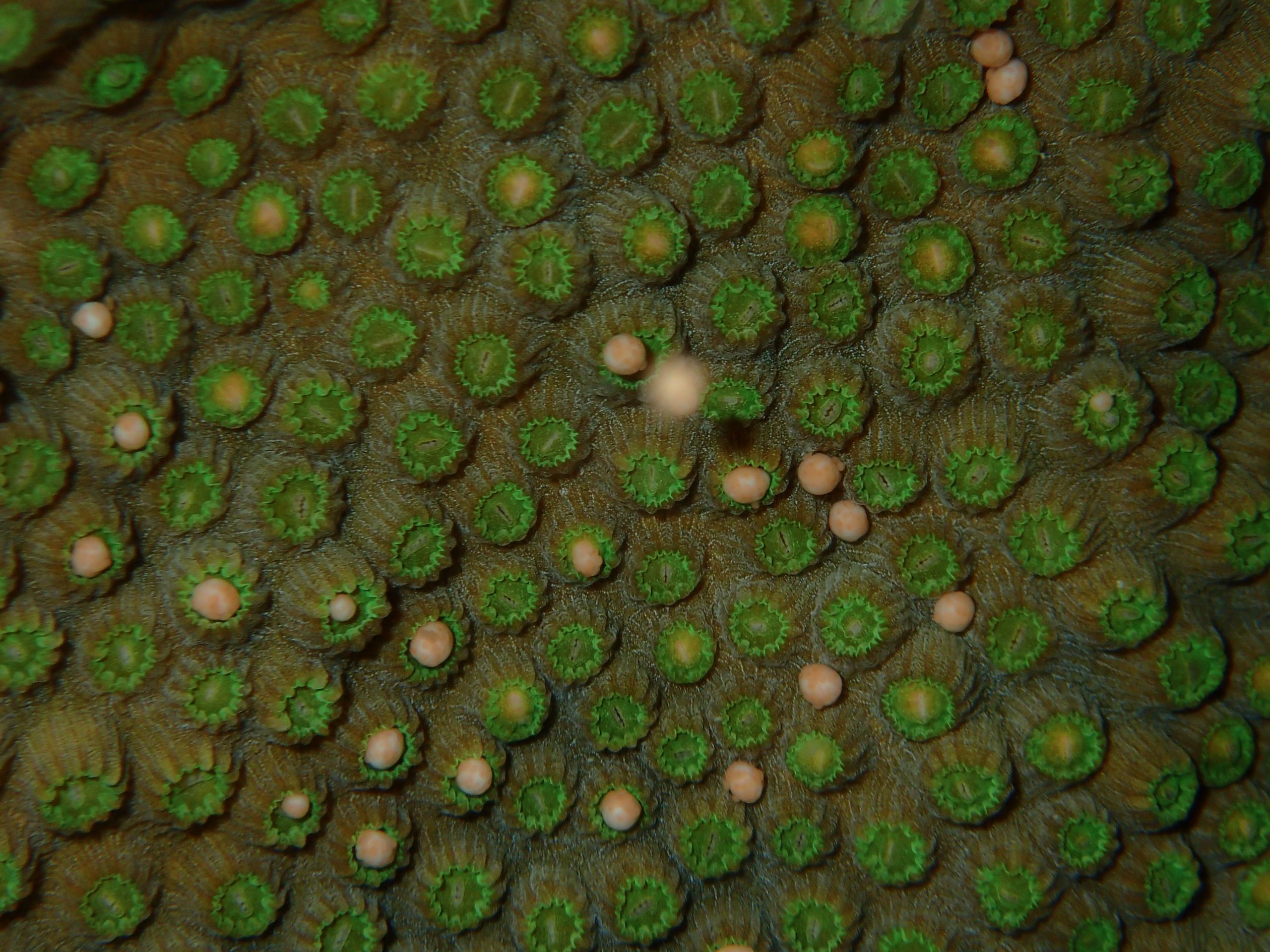
Close-up of coral polyps releasing egg-sperm bundles during spawning
Coral polyps releasing egg-sperm bundles during a nighttime spawning event. Each bundle contains both eggs and sperm, rising to the surface where fertilization occurs.
Brain coral releasing gamete bundles during nighttime spawning
A brain coral (Pseudodiploria strigosa) releasing gamete bundles, timed to full moon cycles.

Why Coral Spawning Is Critical for Reef Recovery

Bahamian reefs have endured extraordinary stress in recent decades. Mass bleaching events driven by rising ocean temperatures, the devastating spread of Stony Coral Tissue Loss Disease (SCTLD), and the long-term impacts of white band and black band disease have reduced living coral cover across the Caribbean by an estimated 60-80% since the 1970s.

Spawning is the primary mechanism through which reefs replenish themselves. Each spawning event produces genetically unique larvae through sexual recombination. This genetic diversity is not just academic. It is the raw material for adaptation. Among the millions of larvae produced in a single spawning event, some will carry genetic combinations that make them more tolerant of warmer temperatures, more resistant to disease, or better able to compete for space on a degraded reef.

The Gene Bank: Securing Coral Futures

The Atlantis Blue Project Foundation and Perry Institute for Marine Science (PIMS) are working together to harness the power of coral spawning through coral gene banking. By collecting spawn from genetically diverse parent colonies, researchers can rear larvae in controlled conditions, dramatically increasing survival rates compared to the open ocean where fewer than 1 in a million larvae survive to settlement.

Gene banking creates a living library of coral genetic diversity, preserving the adaptive potential of reef populations even as wild reefs face unprecedented threats. These banked corals can be outplanted to degraded reefs through active coral restoration programs, accelerating natural recovery.

Spawning and the Bahamian Blue Economy

Healthy coral reefs are the foundation of The Bahamas’ marine economy. According to a Conservation International assessment, Caribbean coral reefs generate an estimated $36 billion annually through tourism, fisheries, and coastal protection services. In The Bahamas, where tourism accounts for roughly 50% of GDP, the economic value of reef health is not abstract. It is the difference between a thriving economy and a struggling one.

Coral spawning sustains this economy in ways that extend far beyond the reefs themselves:

  • Fisheries: The larvae and juvenile corals that result from spawning create the reef structure that serves as habitat for commercially important species including Nassau grouper, snapper, and lobster.
  • Tourism: Vibrant, living reefs attract divers and snorkelers from around the world. The iconic coral formations that visitors come to see exist only because spawning events have been replenishing them for millennia.
  • Coastal Protection: Healthy reef structures, continuously rebuilt through coral growth after spawning, act as natural breakwaters. They reduce wave energy by up to 97% before it reaches shore, protecting coastlines from storm surge and erosion. This is especially critical in a hurricane-prone archipelago.
  • Food Web Support: Mass spawning events release enormous quantities of nutrient-rich reproductive material into the water column. This pulse of energy feeds plankton, small fish, whale sharks, and manta rays, supporting the entire marine food web for weeks after the event.
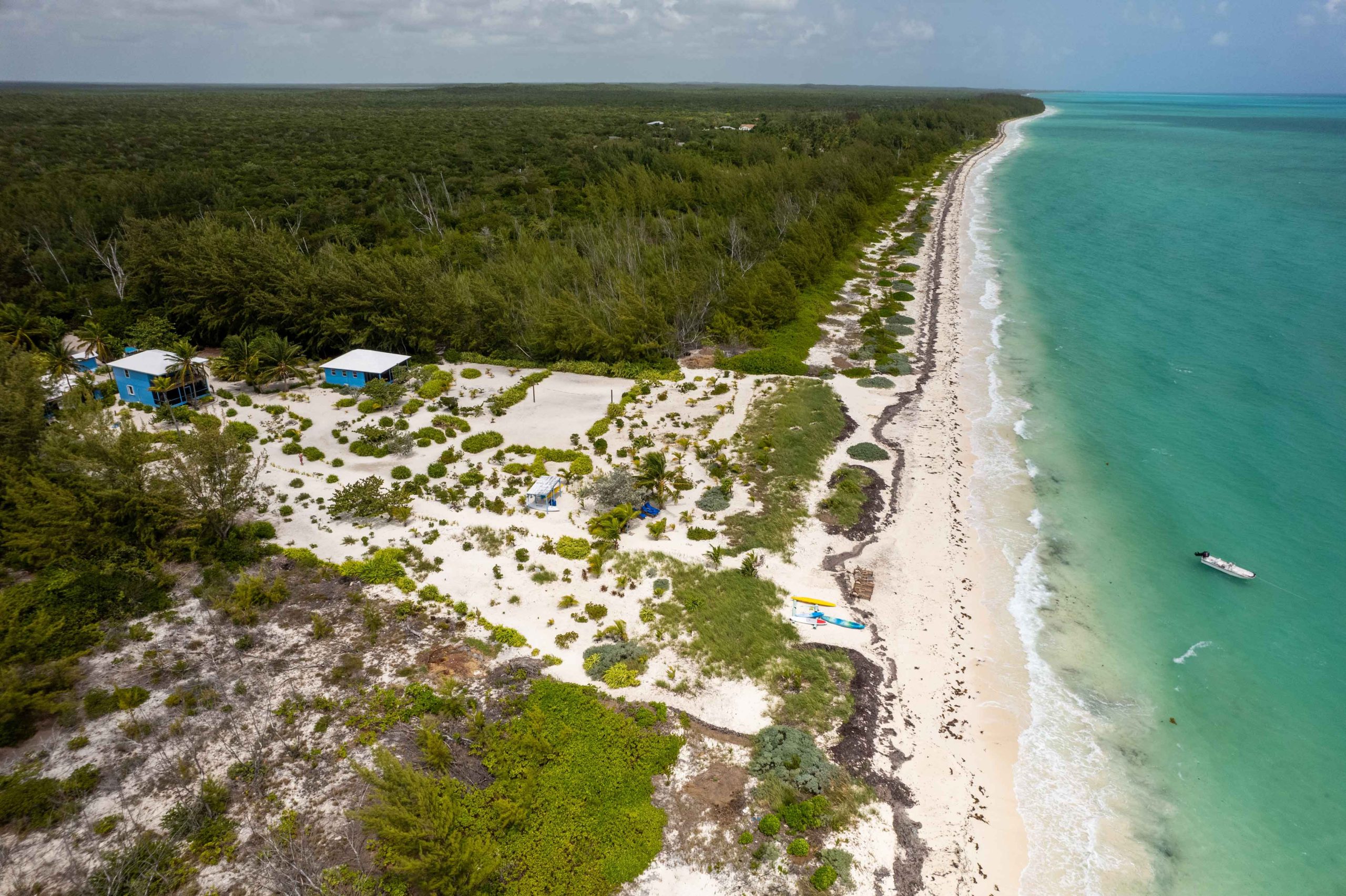
Aerial view of Andros Beach Club, South Andros
Andros Beach Club on South Andros, where PIMS has carried out coral spawning research and larval collection.
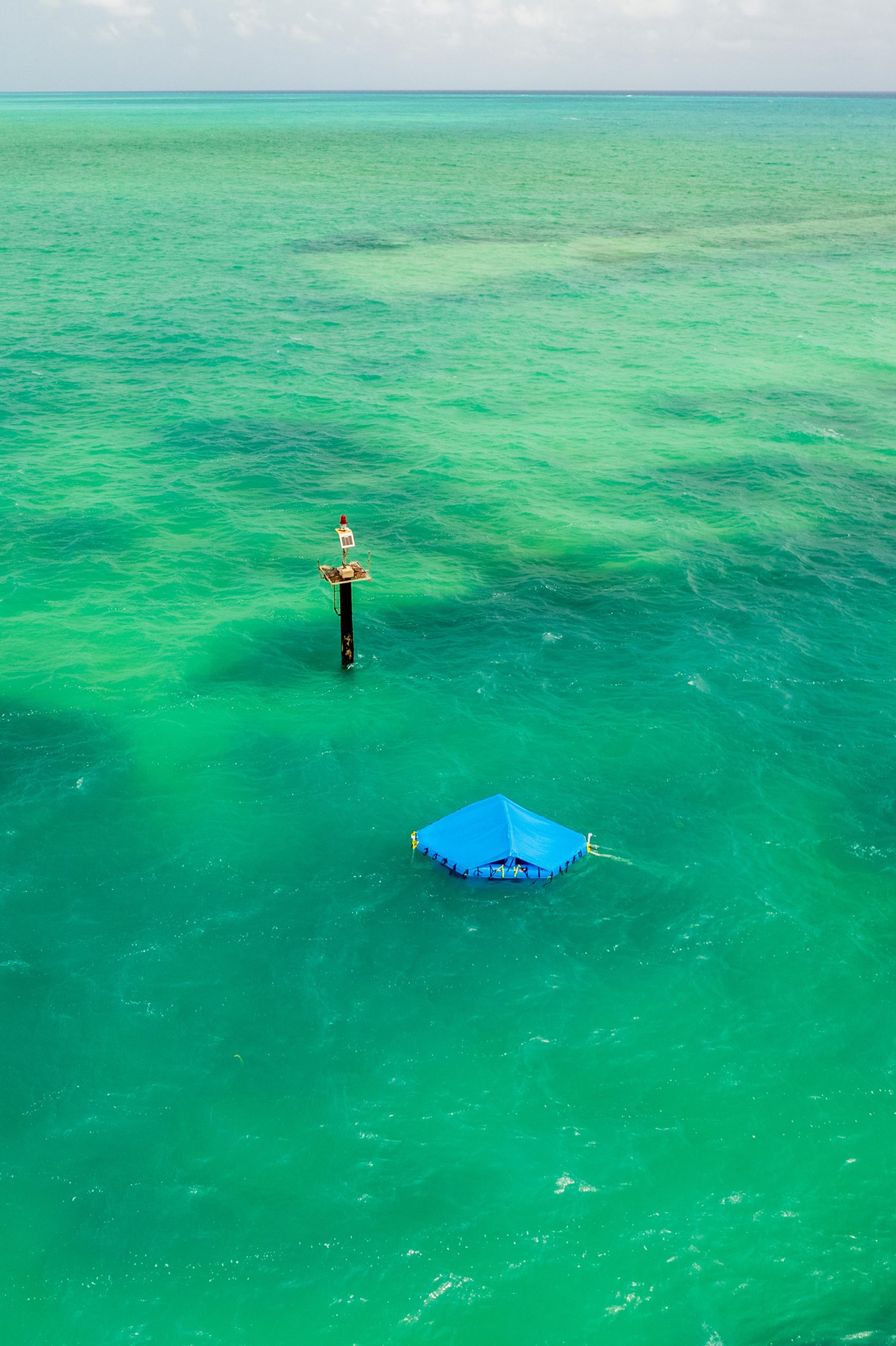
Floating coral larval settlement pool near South Andros
A floating settlement pool near South Andros. Coral larvae settle onto substrate tiles inside, then the substrates are outplanted onto the reef.

The Role of Mangroves in the Coral Life Cycle

Coral spawning does not happen in isolation. The larvae that settle and survive depend on healthy mangrove ecosystems that serve as nursery grounds for many reef fish species. Mangroves filter sediment from coastal waters, improving water clarity on nearby reefs and increasing the chances that coral larvae will find suitable substrate for settlement.

However, mangroves cannot replace coral reefs. While mangroves provide critical nursery habitat and shoreline stabilization, it is the structural complexity of living coral reefs that supports the greatest marine biodiversity and provides the most effective coastal protection during major storm events.

What Threatens Coral Spawning?

Several factors can disrupt the delicate spawning process:

  • Rising ocean temperatures can cause bleaching events that stress corals so severely they divert energy away from reproduction. Bleached corals produce significantly fewer gametes.
  • Ocean acidification reduces the ability of coral larvae to build their calcium carbonate skeletons after settlement.
  • Light pollution from coastal development can interfere with the lunar cues that trigger synchronized spawning.
  • Sedimentation and nutrient pollution from land-based sources can smother newly settled coral recruits.
  • Disease outbreaks like SCTLD can kill adult colonies before they reach reproductive maturity, reducing the genetic pool available for future spawning.
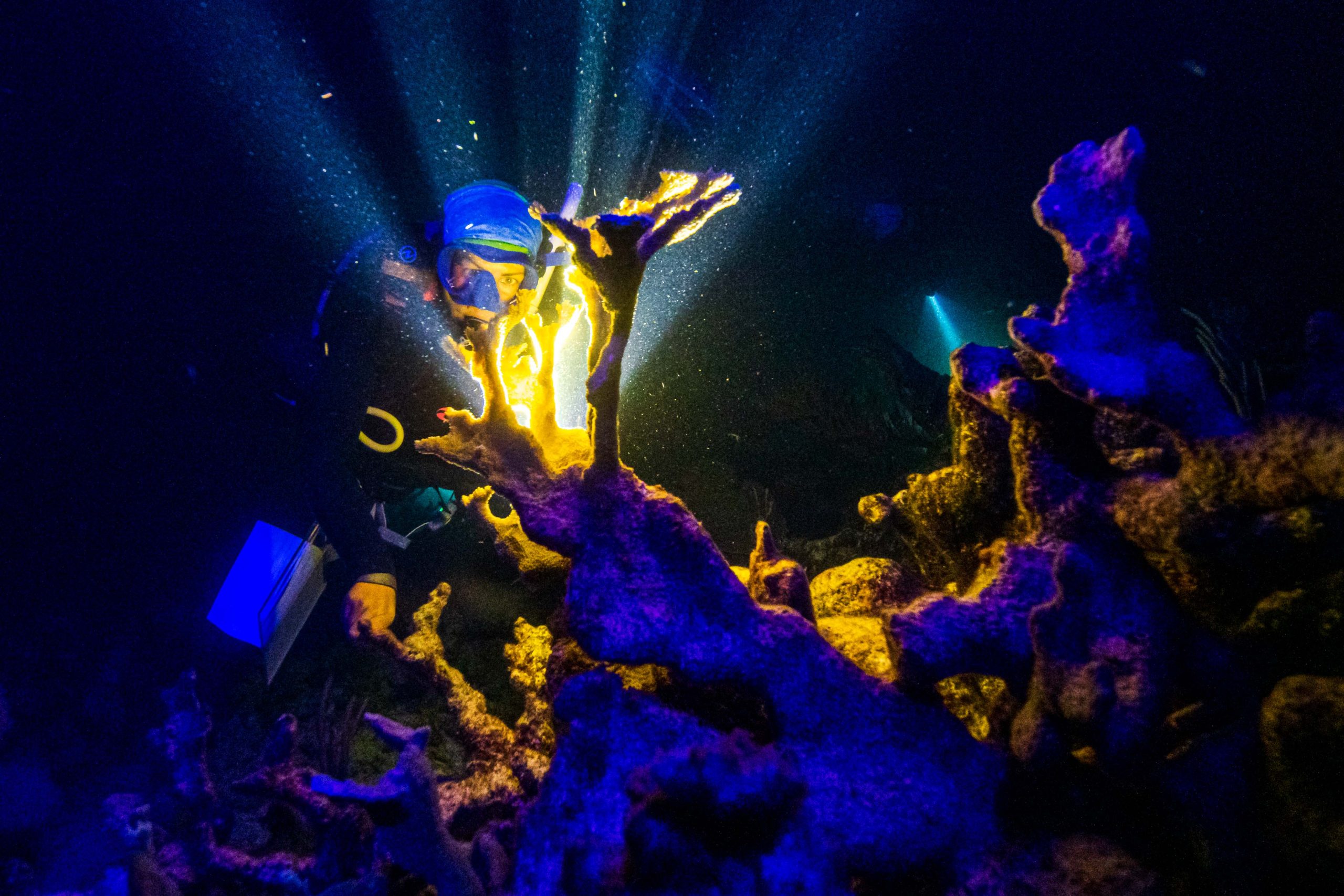
PIMS scientist conducting UV fluorescence night dive
A PIMS scientist uses UV light during a night dive to monitor coral spawning activity. The blue and gold glow reveals coral health in ways visible light cannot.
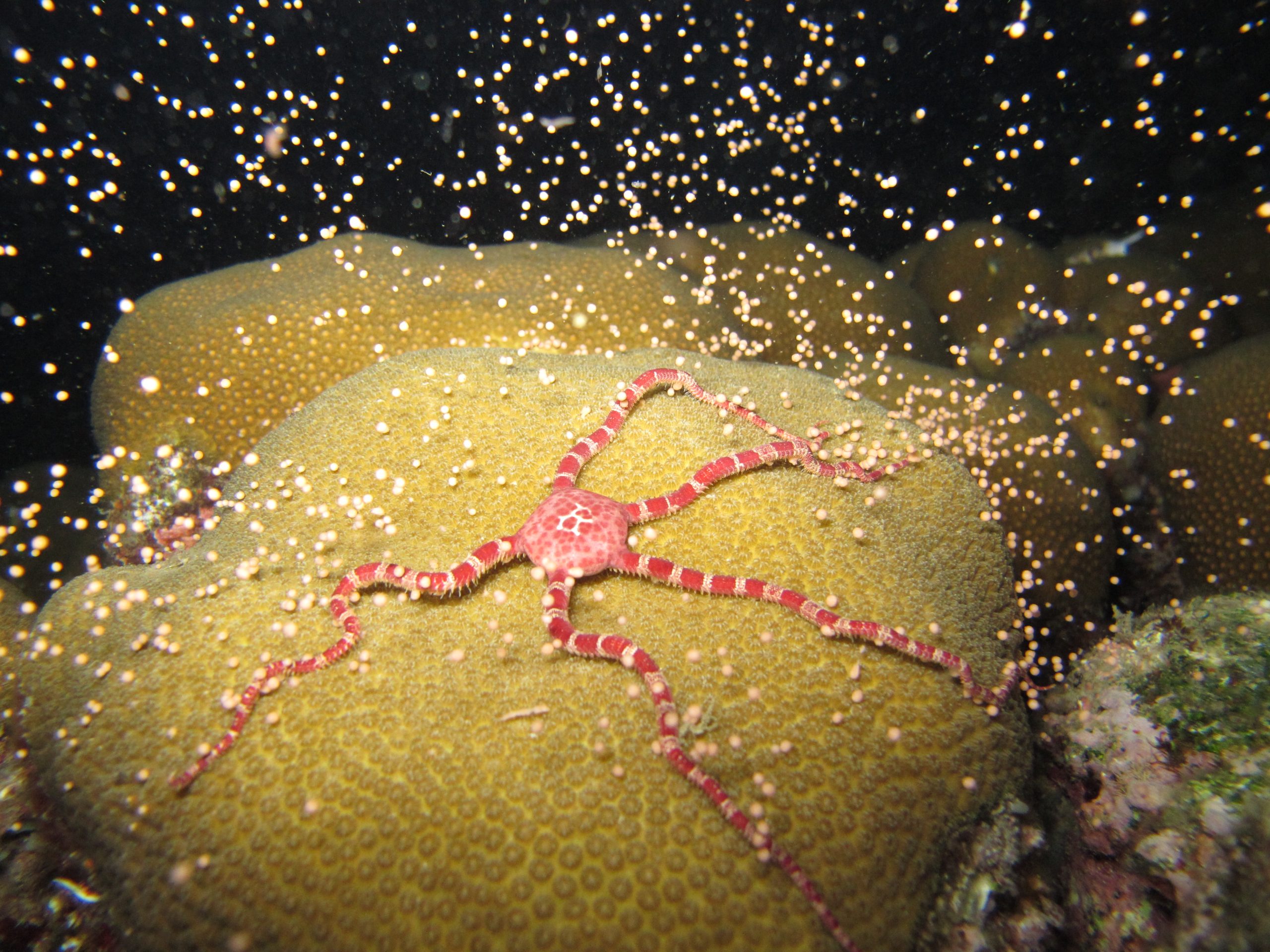
Brittle star on spawning coral as egg-sperm bundles rise
A ruby brittle star perched on a star coral colony during mass spawning, with gamete bundles rising like underwater snow.

How PIMS and Atlantis Blue Project Are Responding

The partnership between the Perry Institute for Marine Science and the Atlantis Blue Project Foundation represents a comprehensive approach to coral conservation that leverages spawning science for active reef restoration.

Key initiatives include:

  1. Spawning monitoring and prediction: PIMS scientists track environmental conditions to predict spawning windows, enabling targeted collection of coral spawn for the Bahamas Coral Innovation Hub.
  2. Larval rearing: Collected spawn is fertilized and reared in controlled conditions at the Coral Innovation Hub, dramatically improving survival rates.
  3. Outplanting: Juvenile corals raised from spawned larvae are outplanted onto degraded reefs, supplementing natural recruitment with genetically diverse, lab-reared corals.
  4. Reef Rescue Network: Through the Reef Rescue Network, PIMS coordinates coral restoration efforts across The Bahamas and the wider Caribbean, scaling the impact of spawning-based restoration.

Support the Next Generation of Bahamian Reefs

Every coral spawning season is an opportunity to secure the future of Caribbean reefs. Your support helps PIMS collect, rear, and outplant genetically diverse corals that will form the foundation of tomorrow’s reefs.

Donate to Coral Restoration

What You Can Do

Whether you are a resident of The Bahamas or a visitor, there are meaningful steps you can take to support coral spawning and reef health:

  • Use reef-safe sunscreen. Chemical sunscreens containing oxybenzone and octinoxate are toxic to coral larvae. Choose mineral-based alternatives like reef-positive sunscreen.
  • Reduce single-use plastics. Marine debris smothers coral recruits and degrades water quality on reefs.
  • Support marine protected areas. Healthy, well-managed MPAs give coral populations the best chance of successful spawning and recruitment.
  • Spread the word. Most people have never heard of coral spawning. Share this article and help build awareness of why it matters.
  • Join a citizen science program. Divers can contribute to reef monitoring efforts that track coral health and spawning success.

Coral spawning is not guaranteed. Every year that conditions align and reefs produce the next generation of coral larvae is a year we can still change the trajectory for Caribbean reefs. The work being done by PIMS and the Atlantis Blue Project Foundation ensures that when spawning happens, we are ready to give those larvae the best possible chance at building the reefs of the future.

Subscribe To Newsletter

Our Wtabg - Perry Institute for Marine Science

Don’t miss a beat! Enter your email below to catch our latest research missions, stories and job opportunities.