
A commitment to the recovery of coral reef ecosystems.
Our Reef Rescue Excursions are meticulously crafted for passionate divers who seek not just an adventure, but a hands-on opportunity to directly restore and regenerate vital coral reefs.
You will work side-by-side with world-class coral restoration diving specialists to apply techniques such as coral nursery maintenance and habitat outplanting, creating a tangible difference in the azure waters of the Caribbean.
Beyond restoration, you will explore the famous dive sites of each location—from wrecks, wall diving, and big animals to sculpture gardens and incredible underwater topography.
Different PADI Specialty courses will be offered at each location but all excursions will include our flagship program: the "Reef Rescue Diver" specialty course.
Our oceans are at a tipping point. Reefs serve as critical habitats and natural coastal protection barriers that support the entire way of life for coastal communities.
By joining an excursion, you become part of an exclusive team working toward a common, critical goal: making paradise better than you found it.
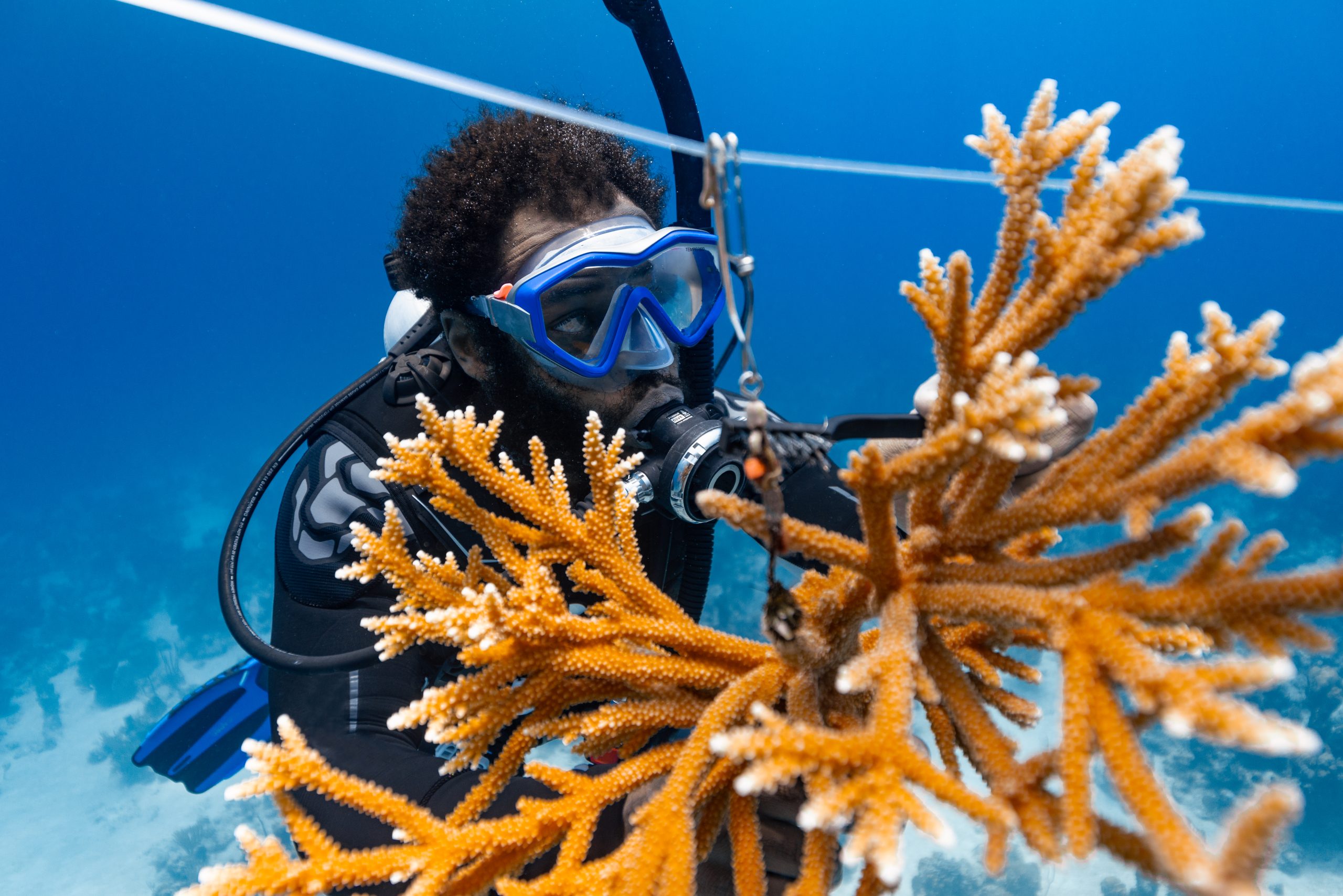
100% coral restoration. Dive, outplant, repeat. Mission-led for experienced divers passionate about maximum conservation impact alongside PIMS scientists.
Base
Small Hope Bay Lodge
Type
Advanced
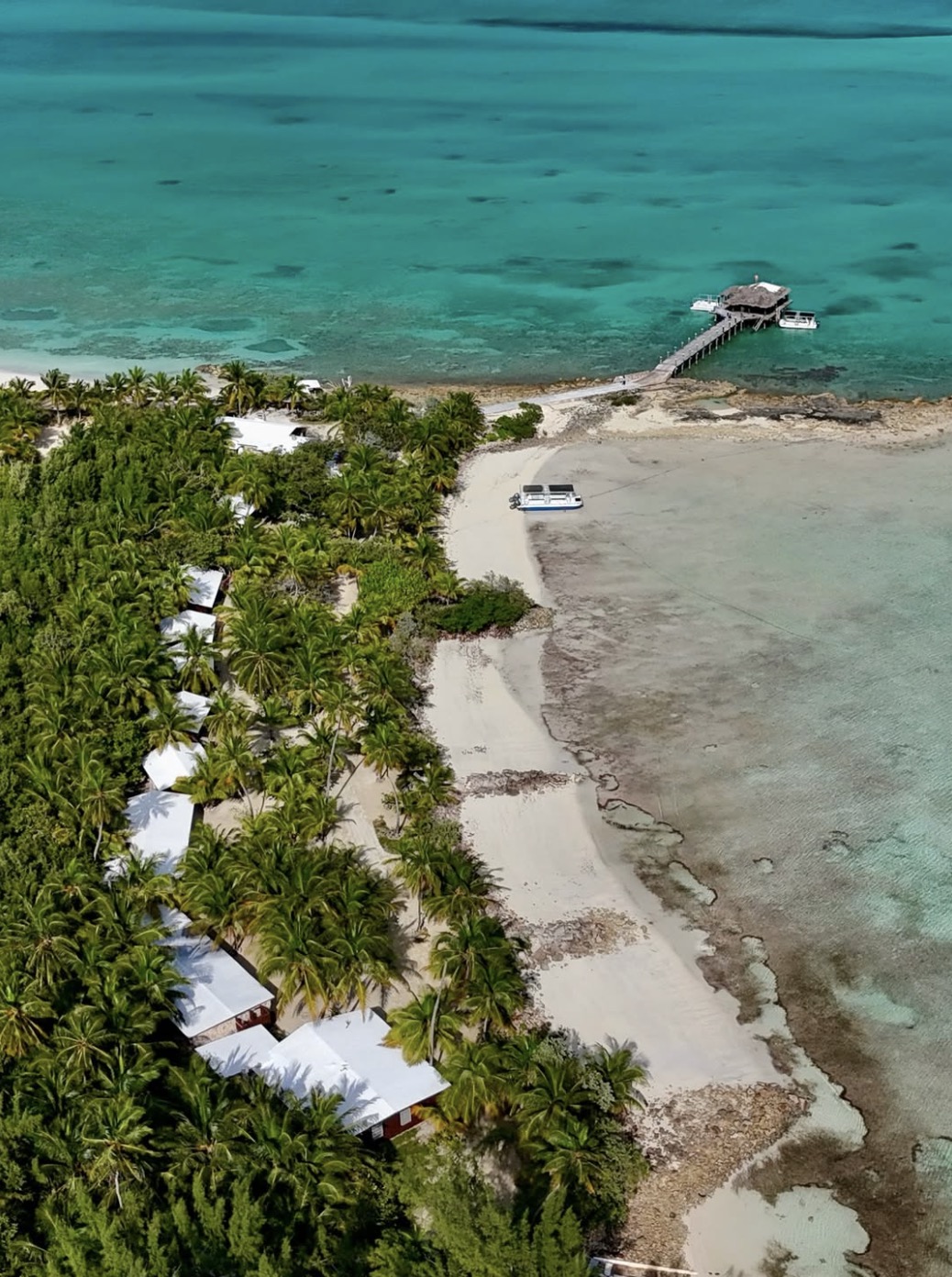
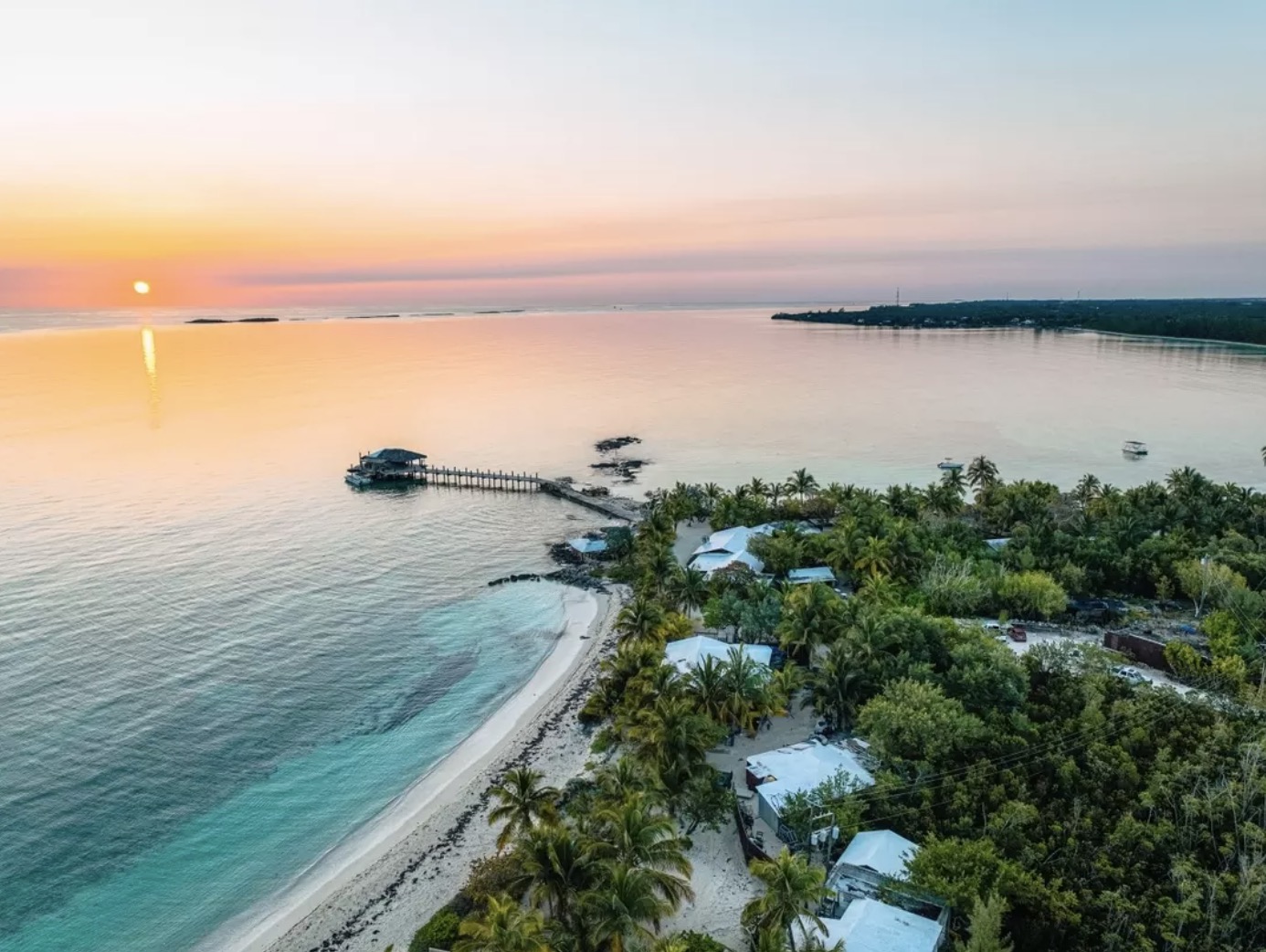
Adventure meets conservation at this 100% all-inclusive eco-lodge on the 3rd-largest barrier reef. Earn 2 PADI specialty certifications while exploring blue holes, bonefishing, and mangrove kayaking.
Base
Small Hope Bay Lodge
Type
Standard

Returning to Bluff House & Brendal's Dive Center. Dates confirmed, bookings now open. Hands-on coral restoration in the Abacos.
Base
Bluff House
Duration
7 Nights

Spring expedition on Andros Island for families, couples, and solo adventurers. Dive, snorkel, and restore coral reefs across 12 dives while earning your PADI Reef Rescue Diver Certification.
Base
Forfar Field Station
Duration
7 Nights
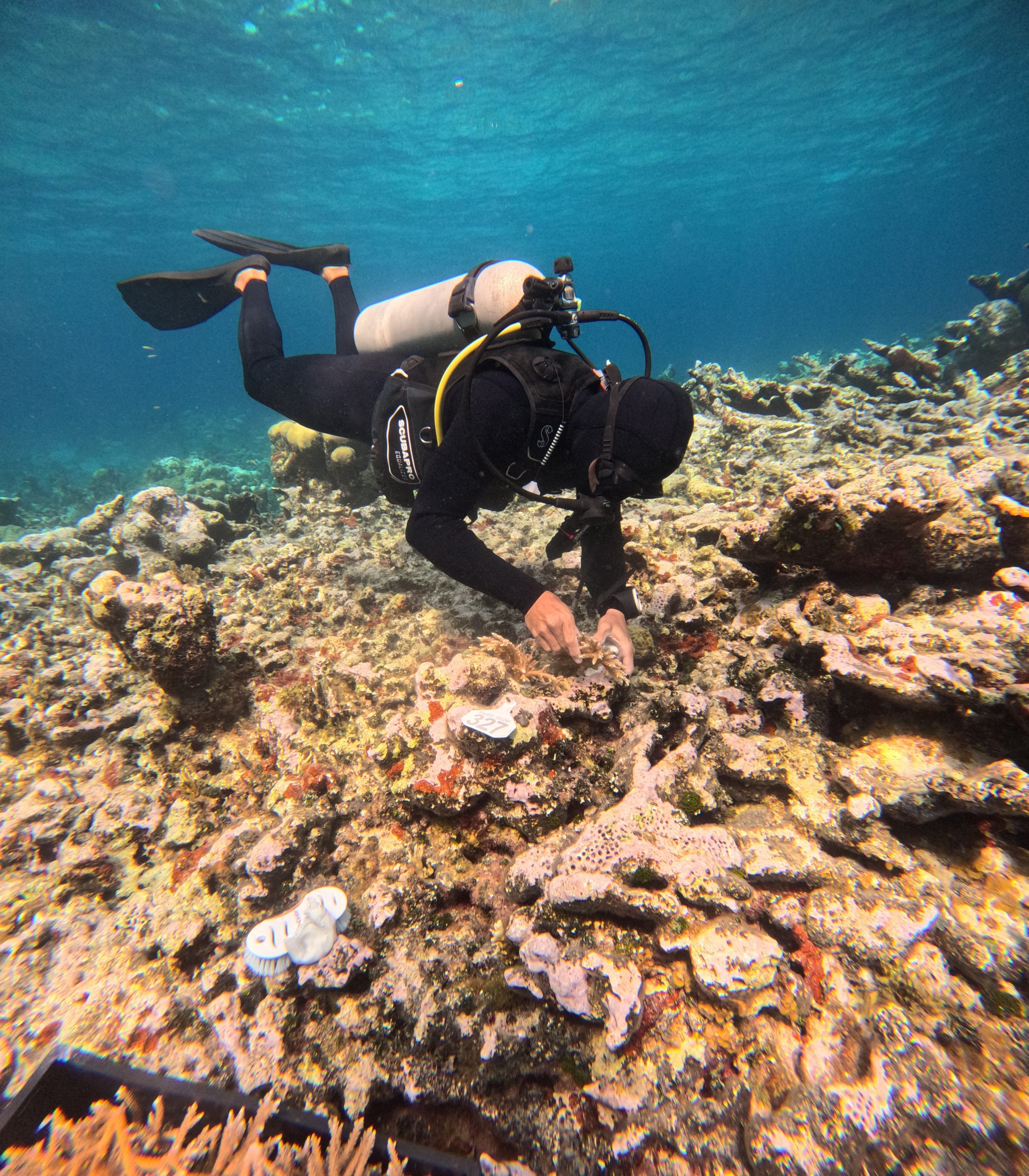
Holiday-season expedition on Andros Island. Same Reef Rescue Diver curriculum and 12-dive program as the spring trip, with a different reef rhythm. Booking opens once Forfar finalizes their checkout link.
Base
Forfar Field Station
Duration
7 Nights
Day trips on our research vessel for families, locals, and visiting divers. Three progressive levels, up to five guests per day. Public dates this summer, custom dates available year-round.
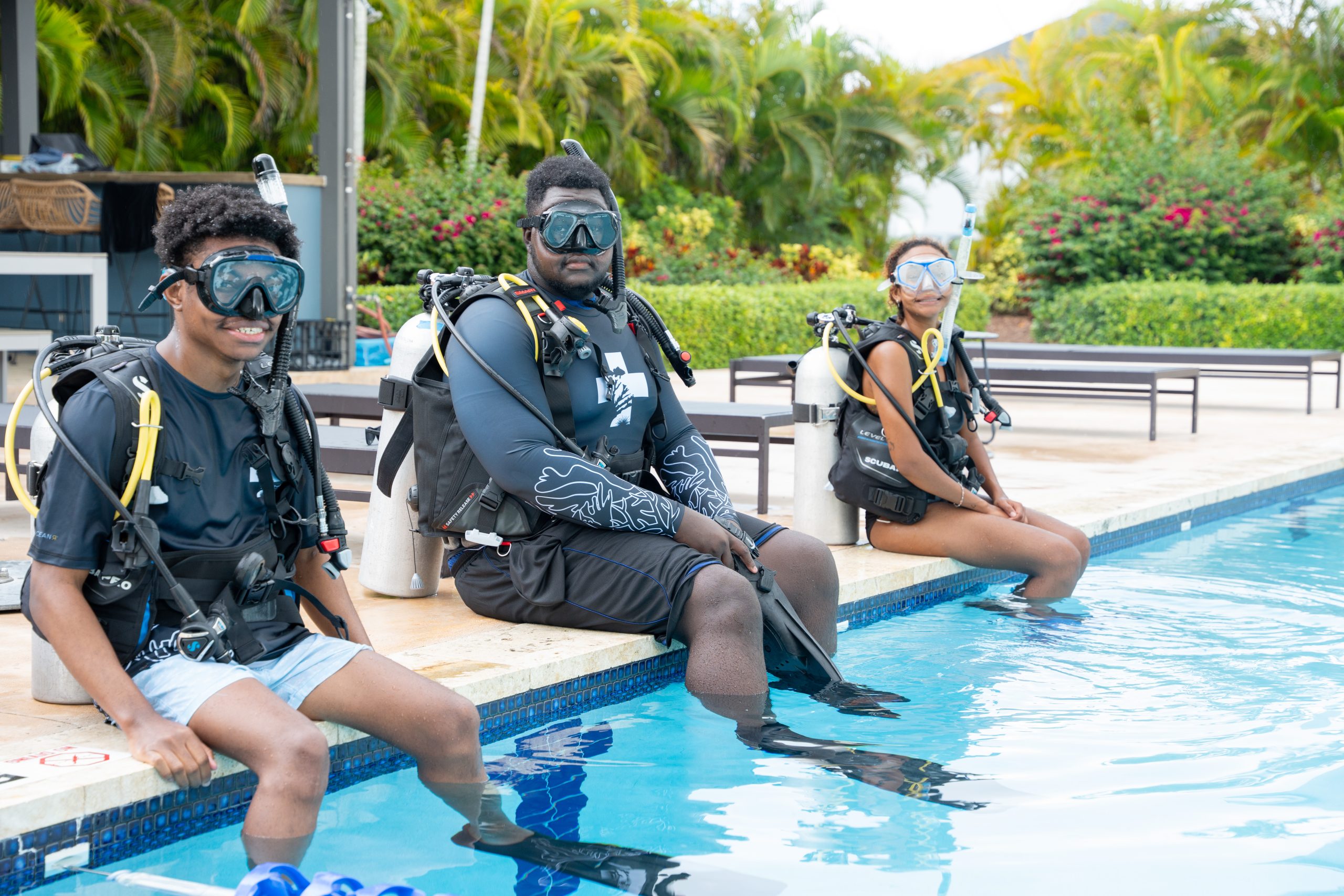
One-day intro: eBook session, two supervised dives (cleaning or outplanting depending on conditions). Earn the PADI Reef Rescue Diver. $3,250 charter fee. Anchor date: June 7, 2026 (around World Oceans Day).
Book Now View Details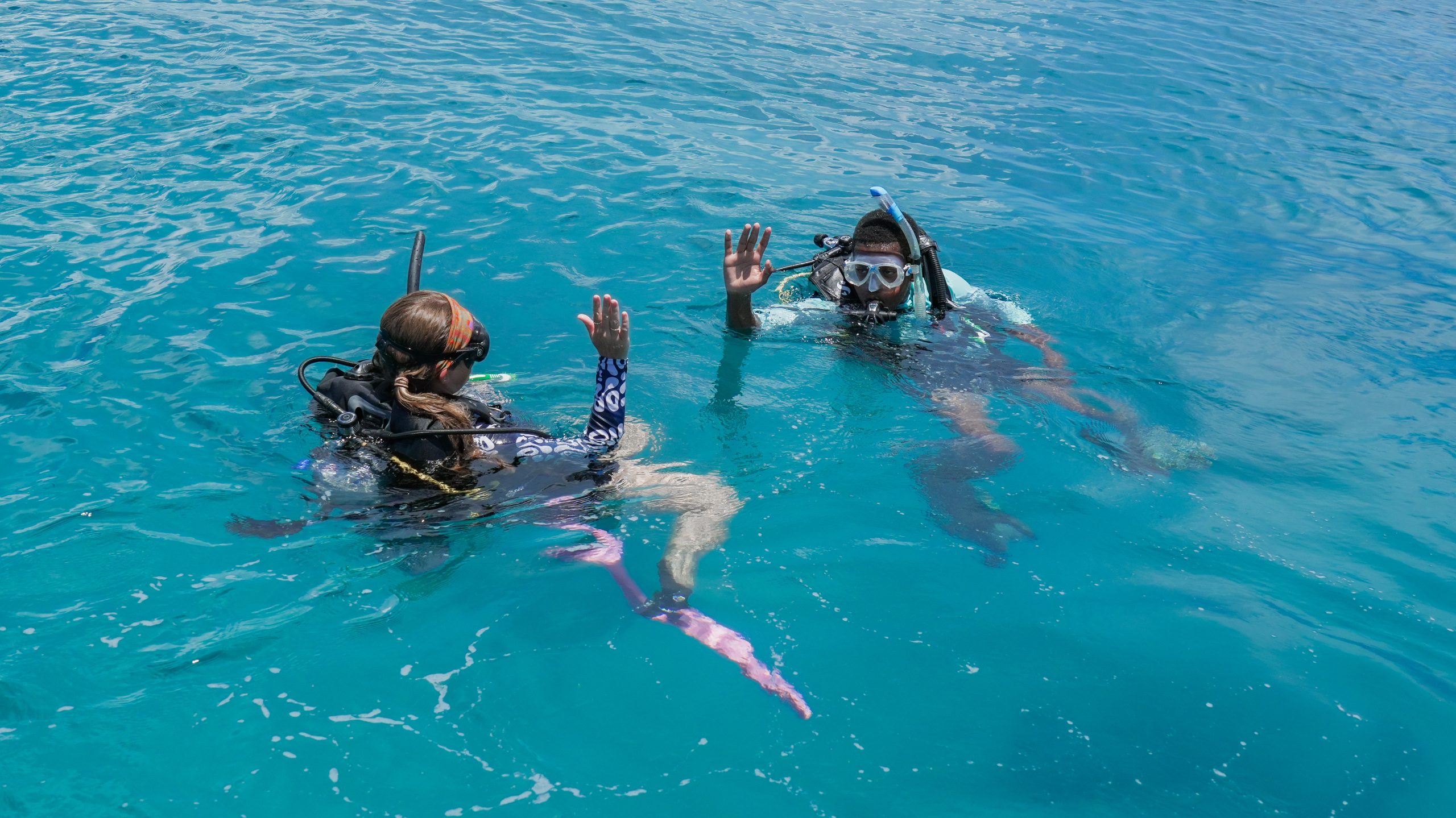
Two days deep in the work. Cleaning at Dexter's nursery, then outplanting and monitoring. Four to five working dives. $5,500 charter fee. Anchor date: July 11-12, 2026 (around Shark Awareness Day).
Book Now View Details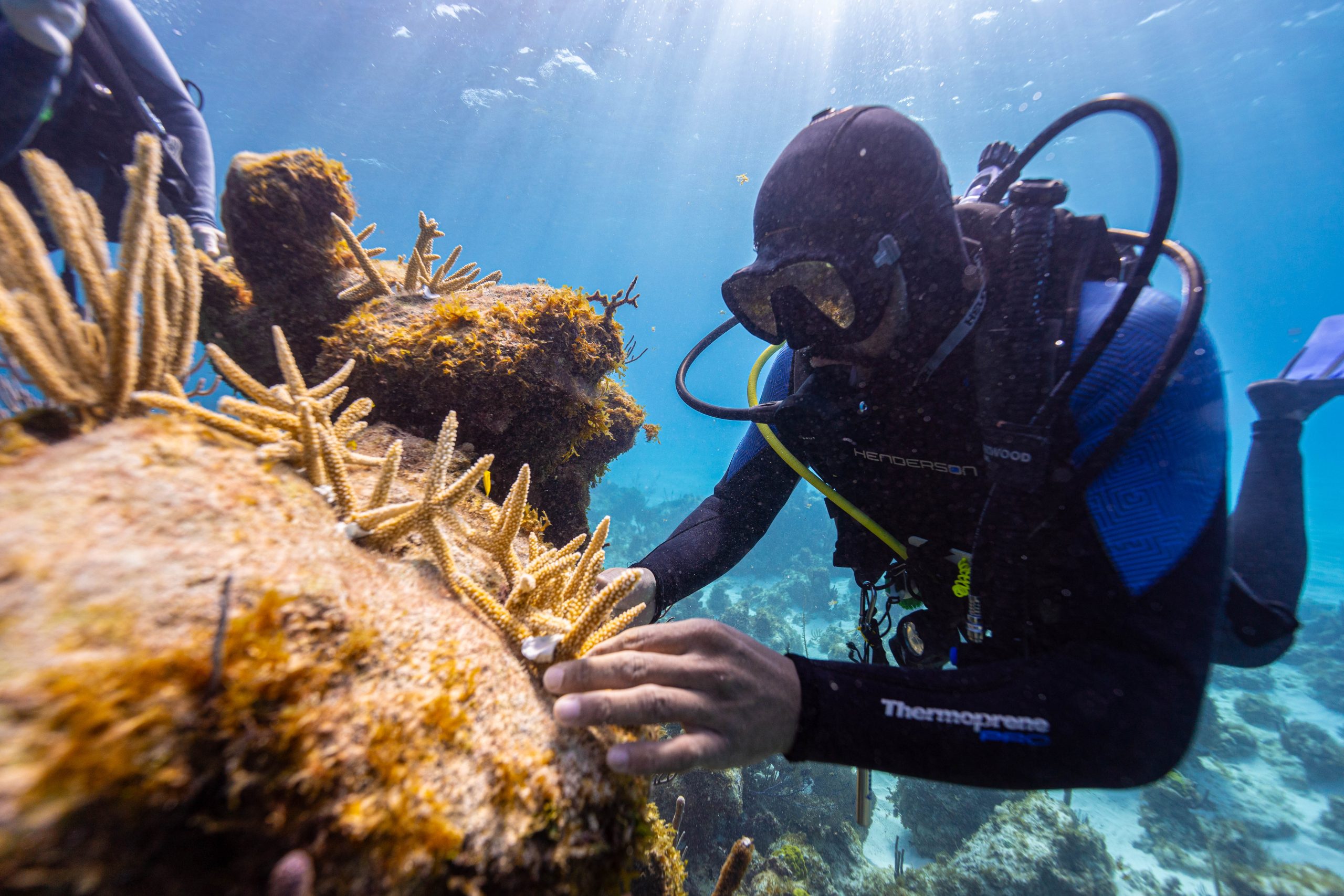
Two days alongside active restoration. Reef assessment, photogrammetry, GPS site documentation. Four to five working dives. $5,500 charter fee. Anchor date: August 29-30, 2026.
Book Now View DetailsFamilies, friend groups, dive clubs, and small private charters — up to five guests per day on the Grodzki. Get in touch and we’ll set dates that fit your group.
Plan a Field Trip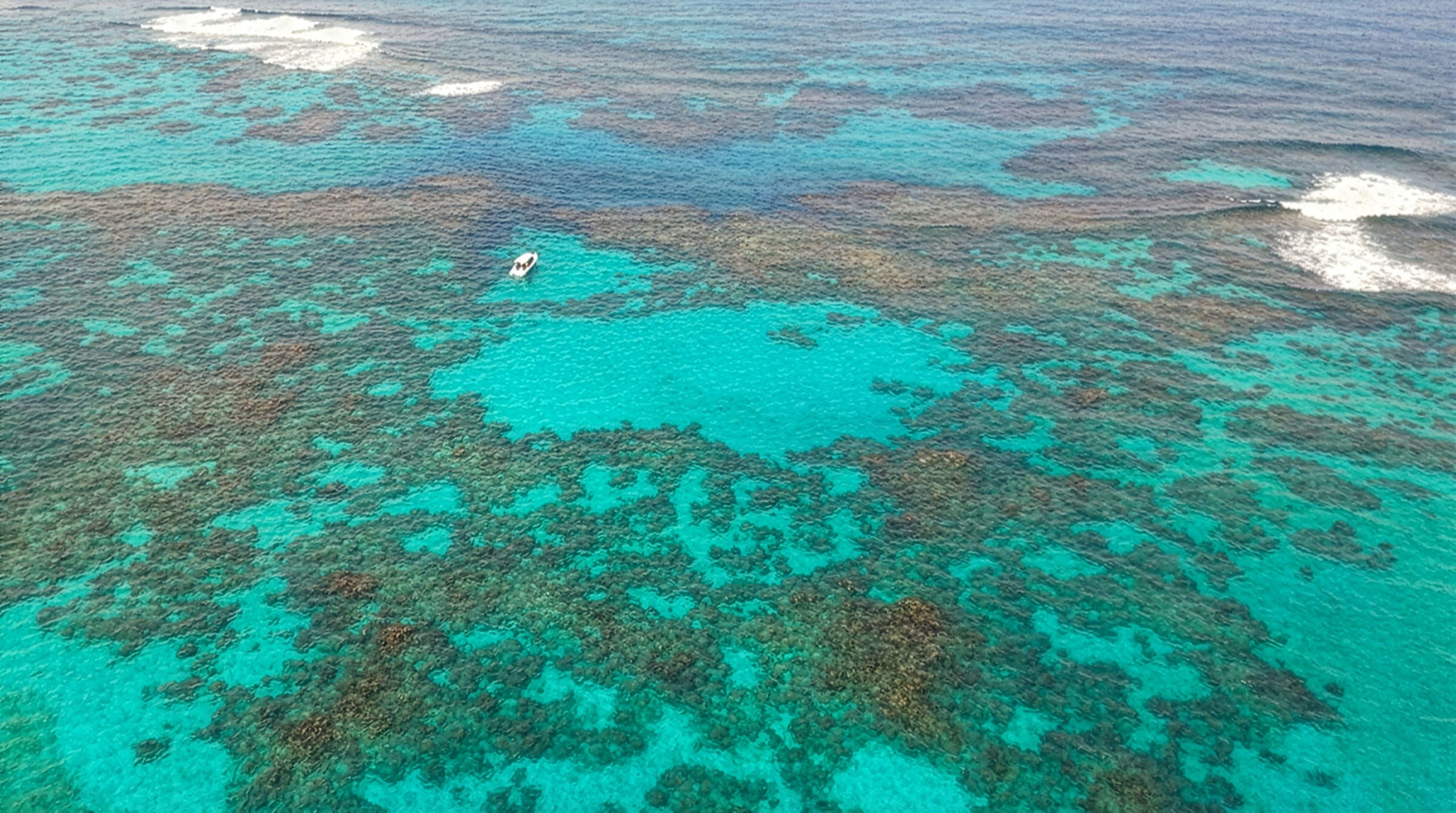
A week of nursery maintenance and outplanting with Brendal’s Dive Center. Case study coming soon.
Case Study ComingStories from the Field
Case studies, impact data, and field reports from completed Reef Rescue expeditions.
The Perry Institute for Marine Science (PIMS) is a leader in innovative coral reef protection and restoration, replanting thousands of corals onto reefs each year. Long-term monitoring, in some areas for up to 15 years, has shown the positive impact of this restoration work, including an increase in the number and size of critically endangered corals, and the return of fish and other marine life. Recognizing the vital role of coral reefs in maintaining marine biodiversity and ecosystem services, PIMS established the Reef Rescue Network to expand and scale up its efforts.
Learn more at perryinstitute.orgThe Reef Rescue Network (RRN), a vibrant global initiative spearheaded by the Perry Institute for Marine Science (PIMS), unites dive shops, non-profits, and businesses in a common goal: the restoration and protection of Caribbean coral reefs, spanning locations like The Bahamas, St. Lucia, Barbados, and Grenada. With a network of 41 coral nurseries, the RRN actively involves local communities, tourists, and volunteers in practical coral restoration efforts. This direct engagement nurtures environmental stewardship and heightens awareness of crucial marine conservation issues. Through the RRN, PIMS effectively integrates rigorous scientific research with community participation.
Learn more at perryinstitute.org/reef-rescue-network/Coral restoration diving is a specialized form of scuba diving where certified divers actively participate in rebuilding and regenerating coral reef ecosystems. Unlike recreational diving, coral restoration diving involves hands-on conservation work such as maintaining underwater coral nurseries, fragmenting healthy corals for propagation, and outplanting nursery-grown corals onto degraded reef sites. At Perry Institute for Marine Science, our coral restoration diving expeditions combine PADI specialty certification with real-world restoration activities guided by marine scientists, allowing divers to make a measurable contribution to reef recovery while experiencing world-class Caribbean dive sites.
Participants in our Reef Rescue Expeditions must hold a minimum of PADI Open Water Diver certification (or equivalent from another certifying agency) and be comfortable diving to depths of 30-60 feet. Prior experience with buoyancy control is highly beneficial since coral restoration diving requires careful maneuvering around delicate reef structures. During the expedition, all participants will complete our PADI "Reef Rescue Diver" specialty course, which provides comprehensive training in coral nursery techniques, fragment handling, and outplanting protocols. No prior coral restoration experience is required—our marine science team provides all the specialized training you need.
Coral restoration diving accelerates natural reef recovery through a scientifically-proven process called coral gardening. Divers help maintain underwater nurseries where coral fragments grow 2-4 times faster than on natural reefs. Once mature, these corals are outplanted onto degraded reef areas, jumpstarting ecosystem recovery. Perry Institute for Marine Science has planted over 15,000 corals across the Caribbean, with 15 years of monitoring data demonstrating significant increases in coral cover, fish populations, and overall reef health at restoration sites. Each expedition participant directly contributes to this work—the corals you plant during your trip will be monitored and tracked as part of our long-term restoration program.
Perry Institute's Reef Rescue Network operates coral restoration diving programs across multiple Caribbean locations including The Bahamas, St. Lucia, Barbados, and Grenada. Our 2026 Reef Rescue Expeditions feature Small Hope Bay Lodge on Andros Island (May and November 2026), the Coral Restoration Training Series in Nassau (June, July, and August 2026), and Forfar Field Station on Andros (Spring and Winter 2027), plus Green Turtle Cay in the Abacos (April 2027). Each destination offers unique diving experiences—from the pristine reefs and crystal-clear waters of the Abacos to the world's 3rd largest barrier reef on Andros, complete with blue holes and vibrant marine ecosystems. Our network of 41 coral nurseries means expedition participants engage with active, long-term restoration projects with proven track records of success.
Our week-long Reef Rescue Expeditions blend coral restoration diving with world-class recreational diving and marine science education. A typical expedition includes: PADI Reef Rescue Diver specialty certification, multiple coral nursery maintenance dives, hands-on outplanting sessions where you'll attach coral fragments to reef substrates, guided recreational dives at premier local sites (wrecks, walls, and reef formations), evening presentations from PIMS marine scientists, and luxury accommodations at carefully selected partner resorts. You'll work directly alongside coral restoration specialists while experiencing the best diving each destination has to offer—returning home with new skills, a PADI specialty certification, and the knowledge that you've made a lasting contribution to reef conservation.
While reef cleanups remove debris and invasive species, coral restoration diving actively rebuilds reef structure by growing and transplanting living corals. It's the difference between tidying a garden and actually planting new trees. Coral restoration diving requires specialized training in coral biology, nursery maintenance, and outplanting techniques—skills you'll learn through our PADI specialty course. The corals planted during restoration dives become permanent additions to the reef ecosystem, providing habitat for fish, protecting coastlines from storms, and supporting biodiversity for decades to come. Perry Institute's restoration sites show measurable improvements in coral cover and fish abundance, demonstrating the long-term impact of this active regeneration approach.
Reef Rescue Expeditions are led by Perry Institute for Marine Science's team of coral restoration specialists and marine biologists, many of whom have dedicated their careers to Caribbean reef conservation. Our expedition leaders include PADI-certified instructors with specialized coral restoration credentials, ensuring you receive both the highest quality dive training and cutting-edge restoration education. You'll also work alongside local dive operators from our Reef Rescue Network—experienced professionals who maintain the coral nurseries year-round and know their reef systems intimately. This combination of scientific expertise and local knowledge creates an unparalleled coral restoration diving experience.
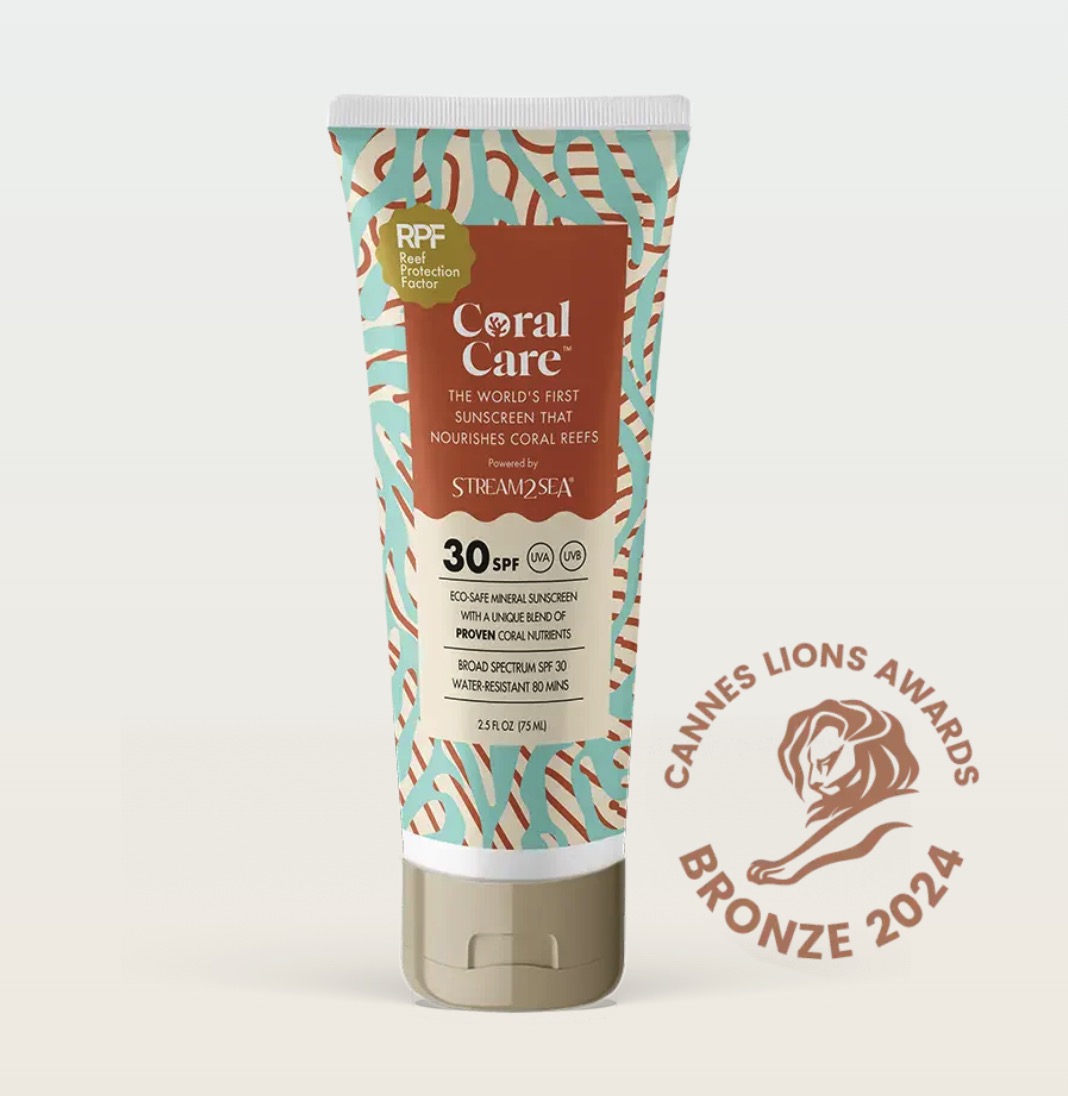
When you're diving to restore coral, the last thing you want is sunscreen that harms the very ecosystems you're working to save. That's why we recommend Stream2Sea—the only sunscreen on the planet tested and proven safe for freshwater fish, saltwater fish, and coral larvae.
Founded by cosmetic chemist and diver Autumn Blum, Stream2Sea goes beyond "reef-safe" marketing claims with rigorous third-party aquatic toxicity testing. Their mineral-based formulas use non-nano zinc oxide and are enriched with antioxidants like wakame seaweed, green tea, and aloe vera—biodegradable ingredients that nourish your skin without harming marine life.
Use our link for 10% off your order. A portion of sales supports PIMS conservation programs.
Expedition Essential
Coral Care SPF 30
The marine professional's choice
"Receive a detailed mission briefing and secure your spot."