

And Their Importance to Marine Life – Written by Valeria Pizarro
Let’s talk about sponges; a group of animals (yes, animals!) that have been living on earth for more than 640 million years. There are about 8,800 described species and most of them can be found in salty waters, like estuaries, coastal lagoons and oceans. In the scientific community sponges are called Porifera, which means “pore-bearing” due to the feeding strategy of sponges. They spend most of their life attached to the bottom filtering water through their bodies. Inside each sponge specialized cells, called collar cells, create internal currents that move the water from the outside to the inside of the sponge, and to the outside again. When the water is going through, the sticky nature of the collar cells allows them to capture oxygen, bacteria, organic matter and in few cases microscopic animals.
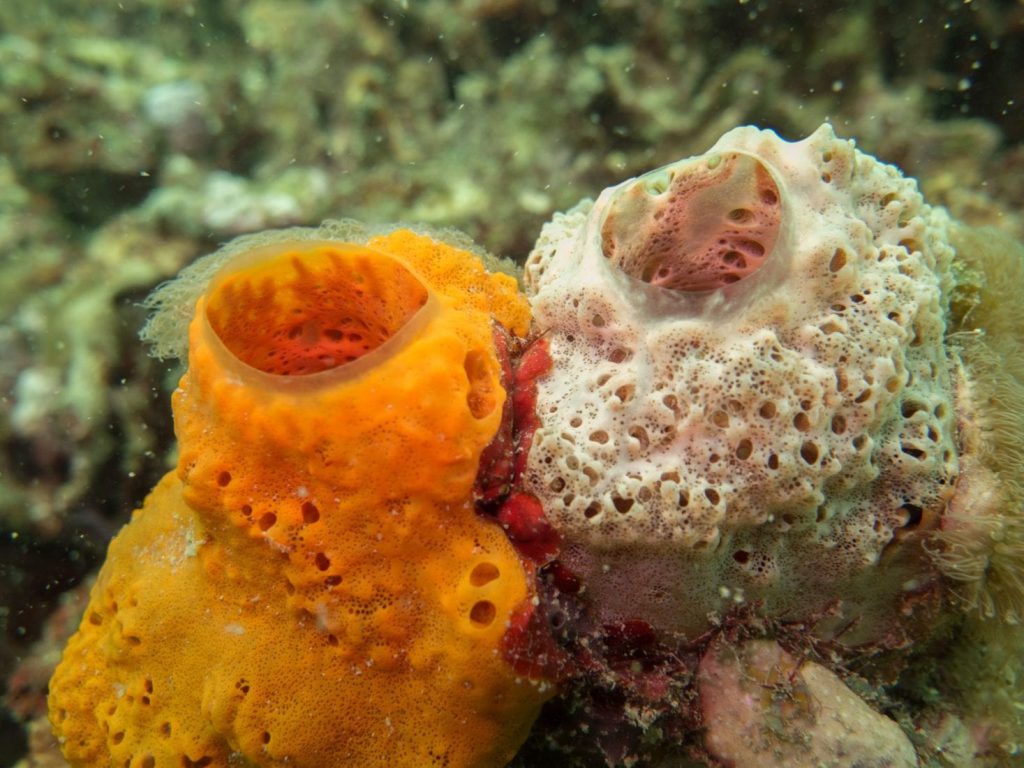
Above: Two unidentified species of Caribbean sponges. (Valeria Pizarro)
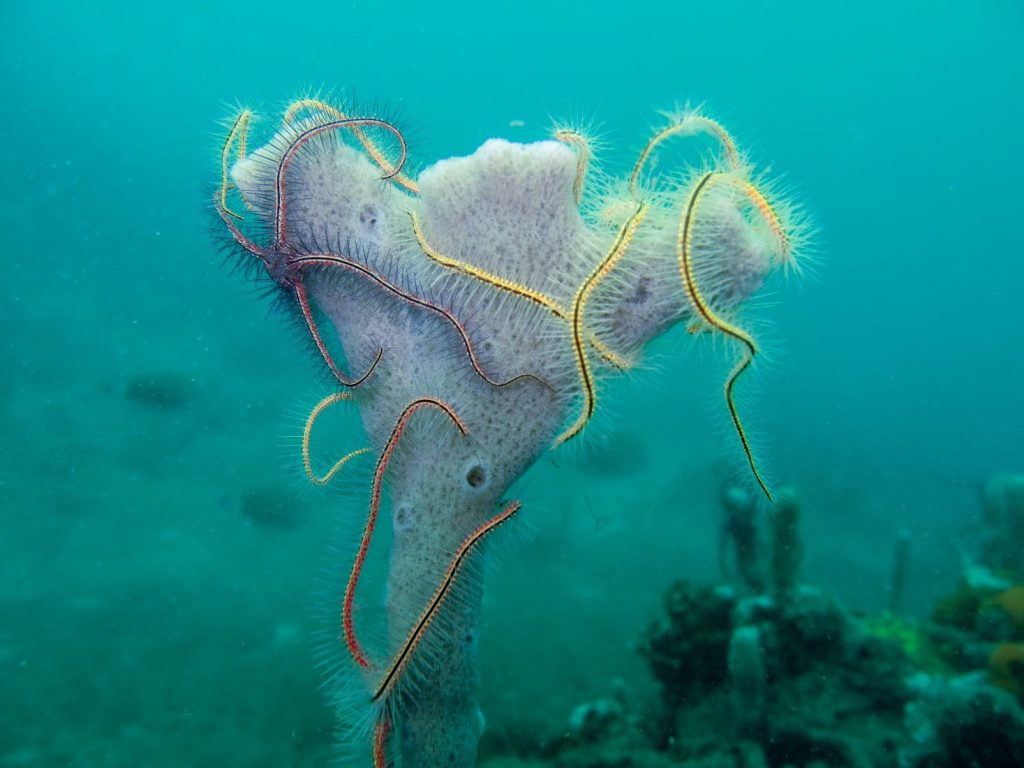
Above: Niphates erecta with brittle stars. (Valeria Pizarro)
Sponges can filter up to 10,000 times its own volume and this plays an important role in filtering water, cycling nutrients and providing home to a numerous of animals. Sponges are highly diverse in shape, size and color. Few animals feed on sponges due to the toxins and the spicules they produce, however hawksbill turtle, some fish and nudibranchs love to feed on these animals.We, humans, have used sponges to clean for more than 2,000 years, but those only comprise 12 species! More recently, scientists began researching the use of chemicals produced by sponges for medical purposes. For example, the drug cytosine arabinoside, used to treat cancer, was developed from a chemical first found in a sponge.
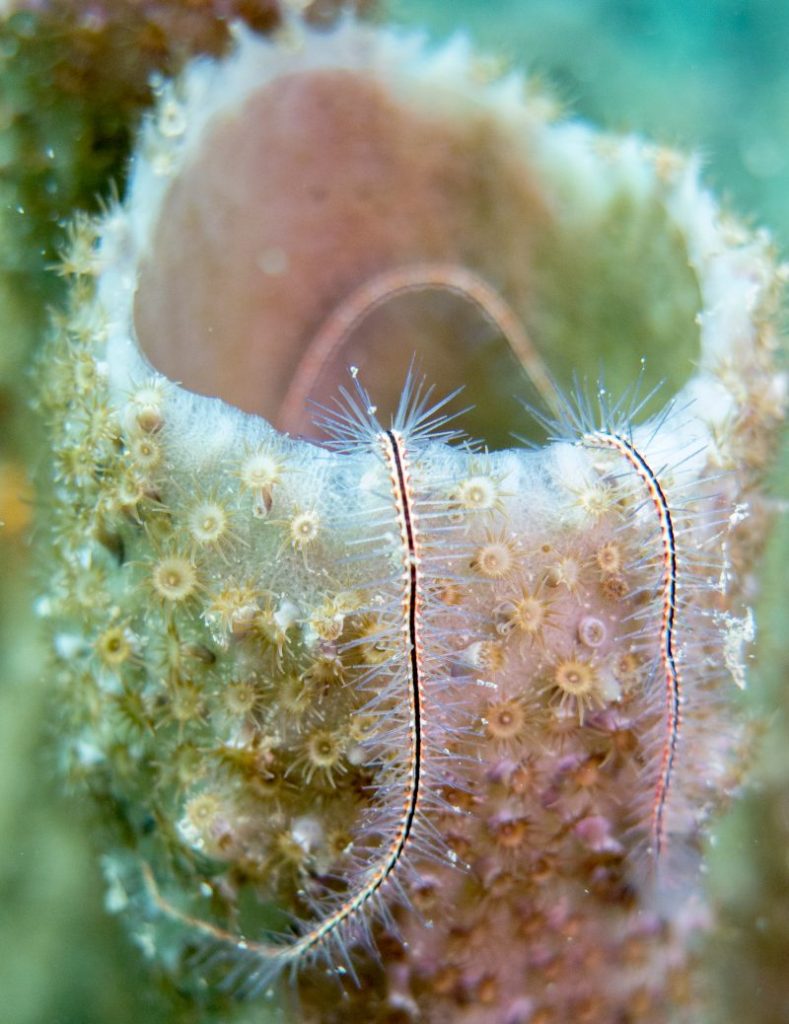
Above: Brittle star inside of a Niphates species. (Valeria Pizarro)
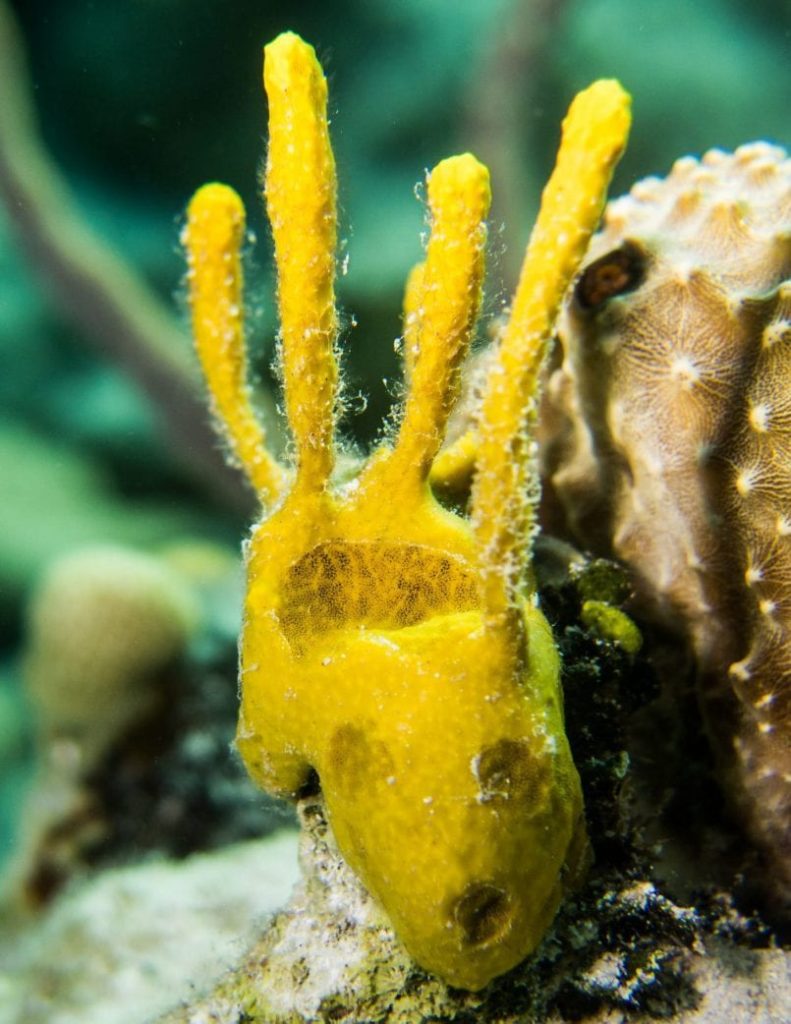
Above: Aplysina insularis (Valeria Pizarro)
SPONGES IN THE BAHAMAS
Specifically, in The Bahamas some species of sponges have been harvested for centuries by local fisherman or as they are usually called: spongers. In 2016 a project, financed by the Inter-American Developing Bank, supported sponging business by developing sustainable harvesting and better business practices in Andros, where the largest sponger community is located. Nowadays, fishermen understand the supply chain and have been distributing directly to national businesses, and for almost a year, the Bahamas Commercial Sponge Association (BCSA), the Bahamas Agricultural & Industrial Corporation (BAIC) and the Inter-American Development Bank started direct international sales.
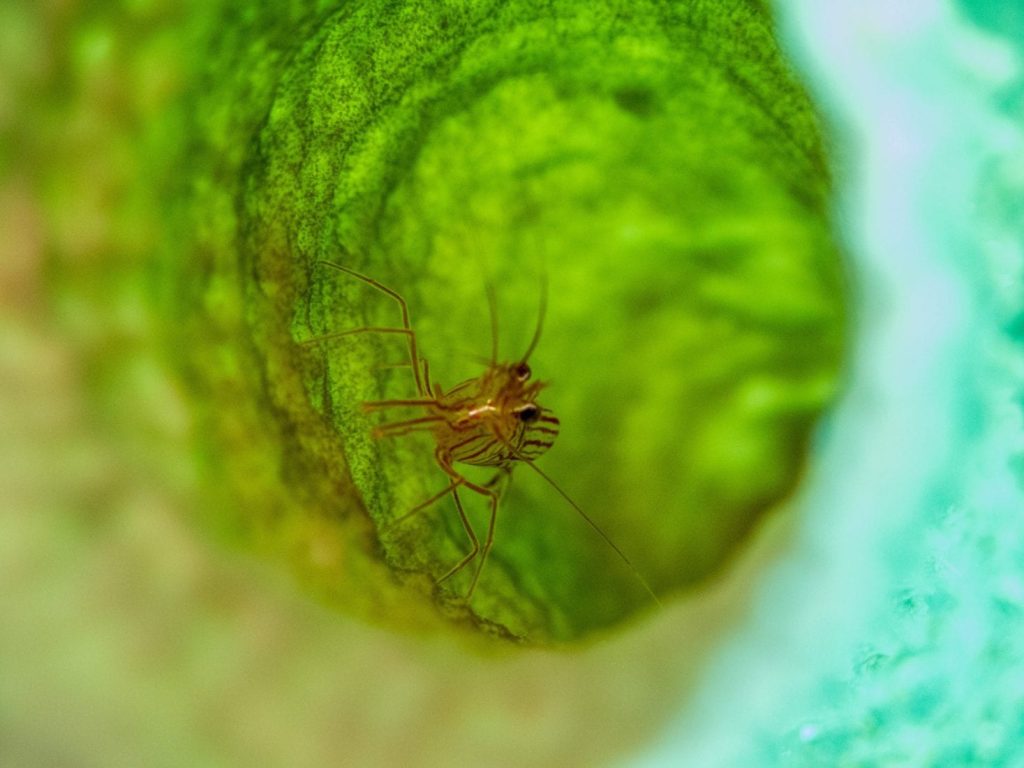
Above: Sponge peppermint shrimp (Lysmata pedersini) inside of a sponge. (Valeria Pizarro)
All the former has been a national strategy for revitalizing the sponge industry, leaded by BAIC and supported by the Inter-American Institute for Cooperation on Agriculture, the Bahamas National Trust, the Department of Marine Resources and BCSA board members.Though it’s not easy, if you want to start identifying Bahamian sponges check out the Caribbean sponge guide (https://spongeguide.uncw.edu/), where more than 50% of the photos were taken in different reef areas within The Bahamas.
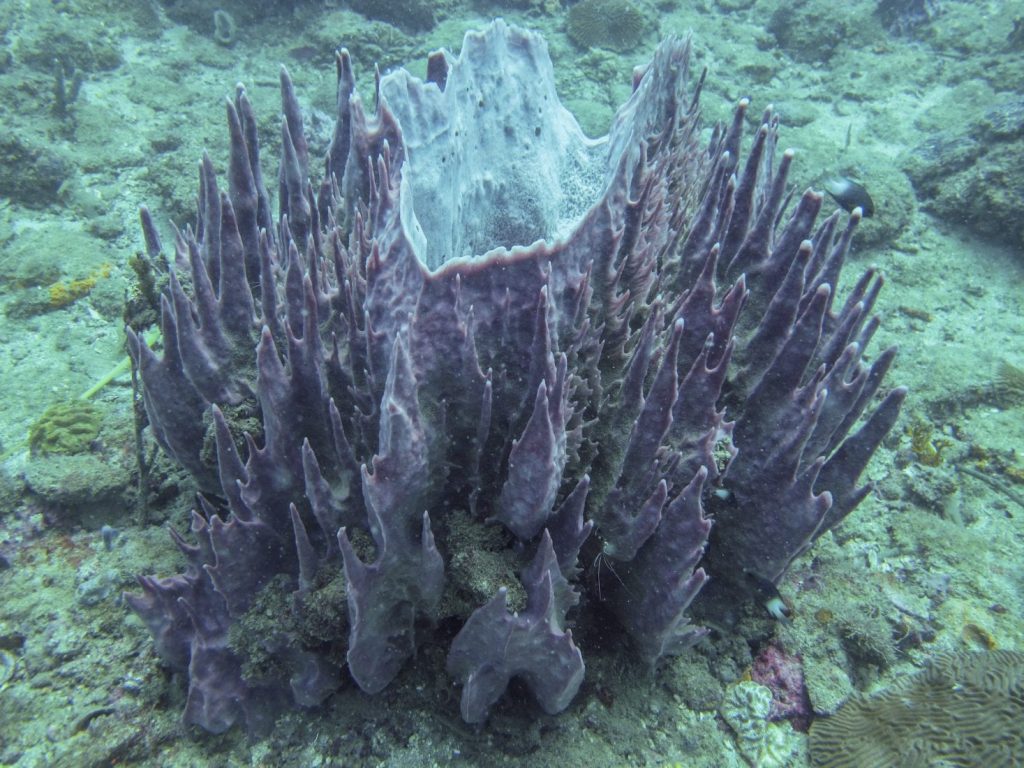
Above: Xestospongia muta. (Valeria Pizarro)
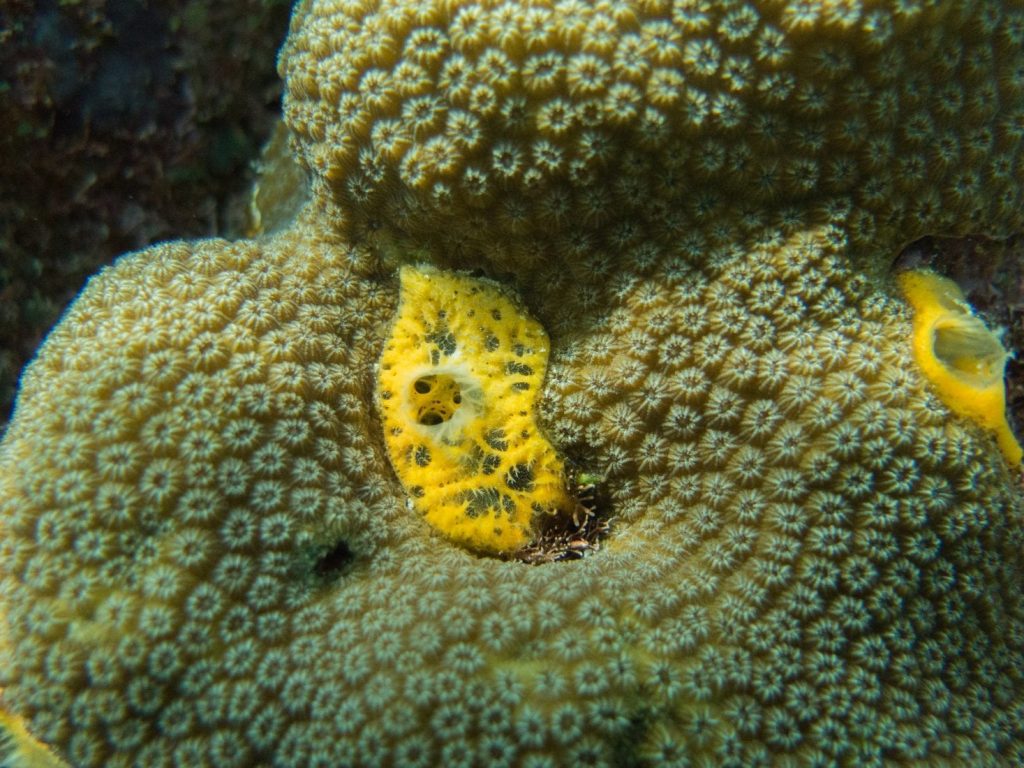
Above: Mycale laevis. (Valeria Pizarro)
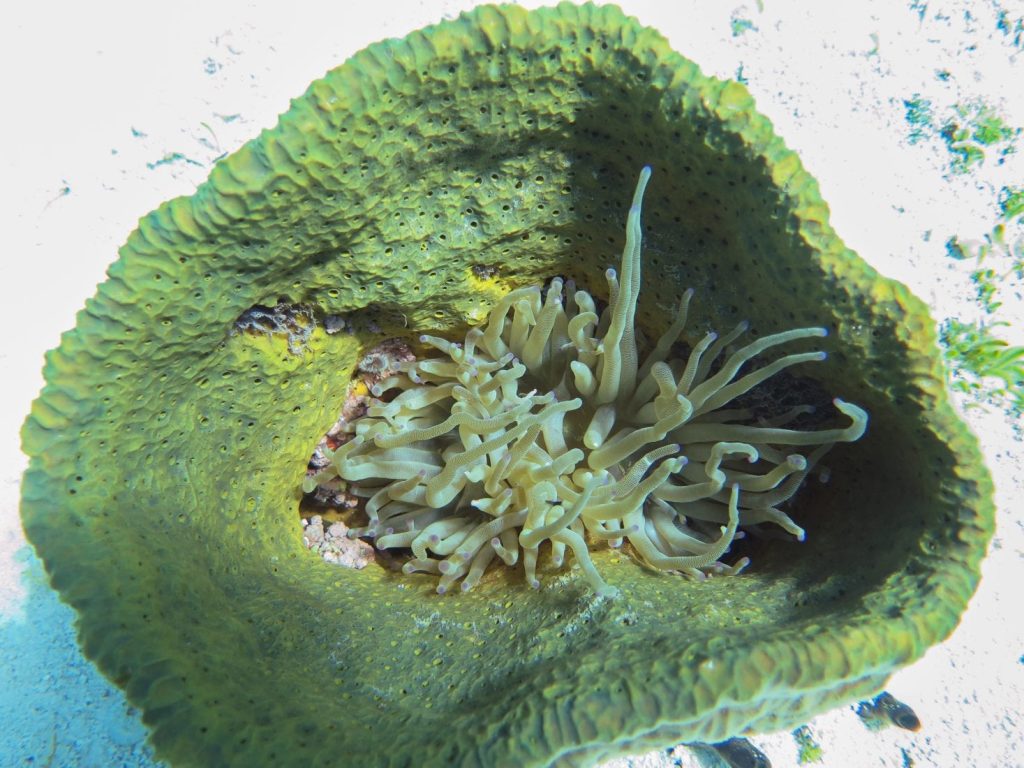
Above: Verongula gigantea with anemone Condylactis gigantea. (Valeria Pizarro)
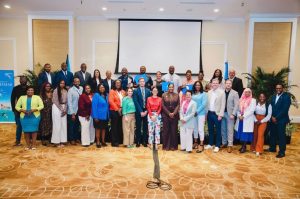
Bluequest Bahamas Wins National Award for Community Coral Restoration
Bluequest Bahamas, a Perry Institute Reef Rescue Network partner based at Delaporte Beach in Nassau, won the Community Conservation, Education, and Action (CCEA) award at the UN Tourism Bahamas Sustainable Islands Challenge. Here is how they built the coral restoration program that earned it.
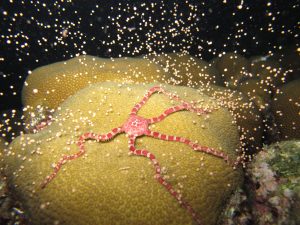
Why Coral Spawning Matters and How It Works
Coral Science & Conservation The Birth of the Next Generation of Bahamian Reefs: Why Coral Spawning Matters Every year, under the light of a late-summer full moon, something extraordinary happens
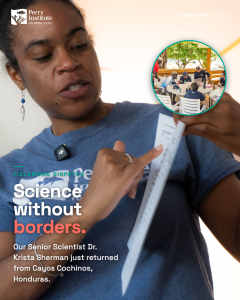
Listening for Nassau Grouper at Cayos Cochinos
Our Senior Scientist Dr. Krista Sherman just returned from her fourth year training Honduras Coral Reef Foundation staff on acoustic telemetry, listening for Nassau grouper at Roatan Bank.
The Complete Guide to Planting Coral Reefs: Restoration Methods That Work
Plan your diving trip to Green Turtle Cay, Bahamas. Discover the best dive sites, coral reefs, how to get there, where to stay, and why this Abaco island is a hidden gem for underwater adventure.
Green Turtle Cay Travel Guide for Divers
Plan your diving trip to Green Turtle Cay, Bahamas. Discover the best dive sites, coral reefs, how to get there, where to stay, and why this Abaco island is a hidden gem for underwater adventure.
Become a PADI Dive Instructor in The Bahamas | Conservation-Focused IDC
Become a PADI Dive Instructor in The Bahamas | Conservation-Focused IDC | Perry Institute for Marine Science Education & Training Ready to take your diving skills to the next level
