

Coral Science & Conservation
The Birth of the Next Generation of Bahamian Reefs: Why Coral Spawning Matters
What Is Coral Spawning?
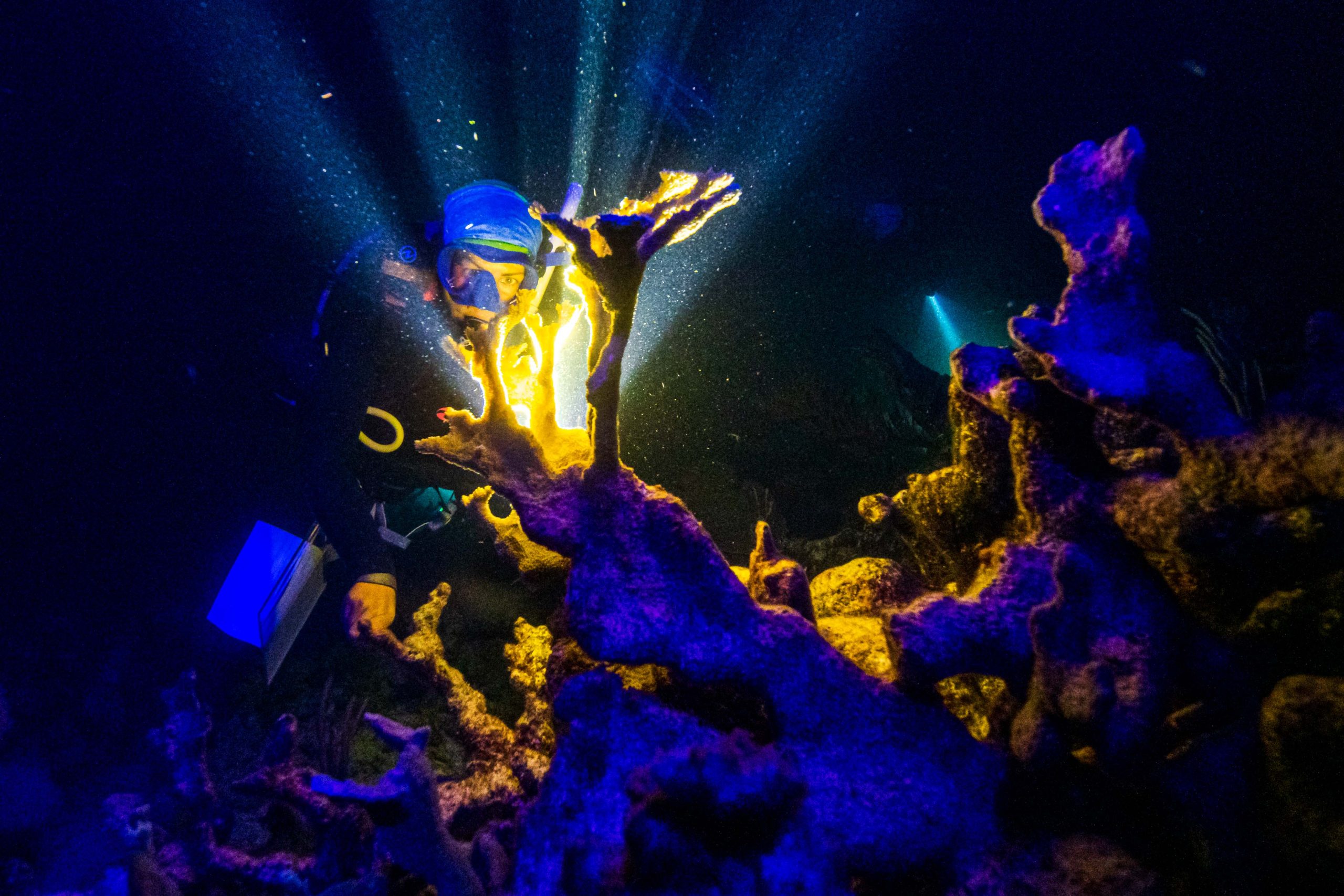
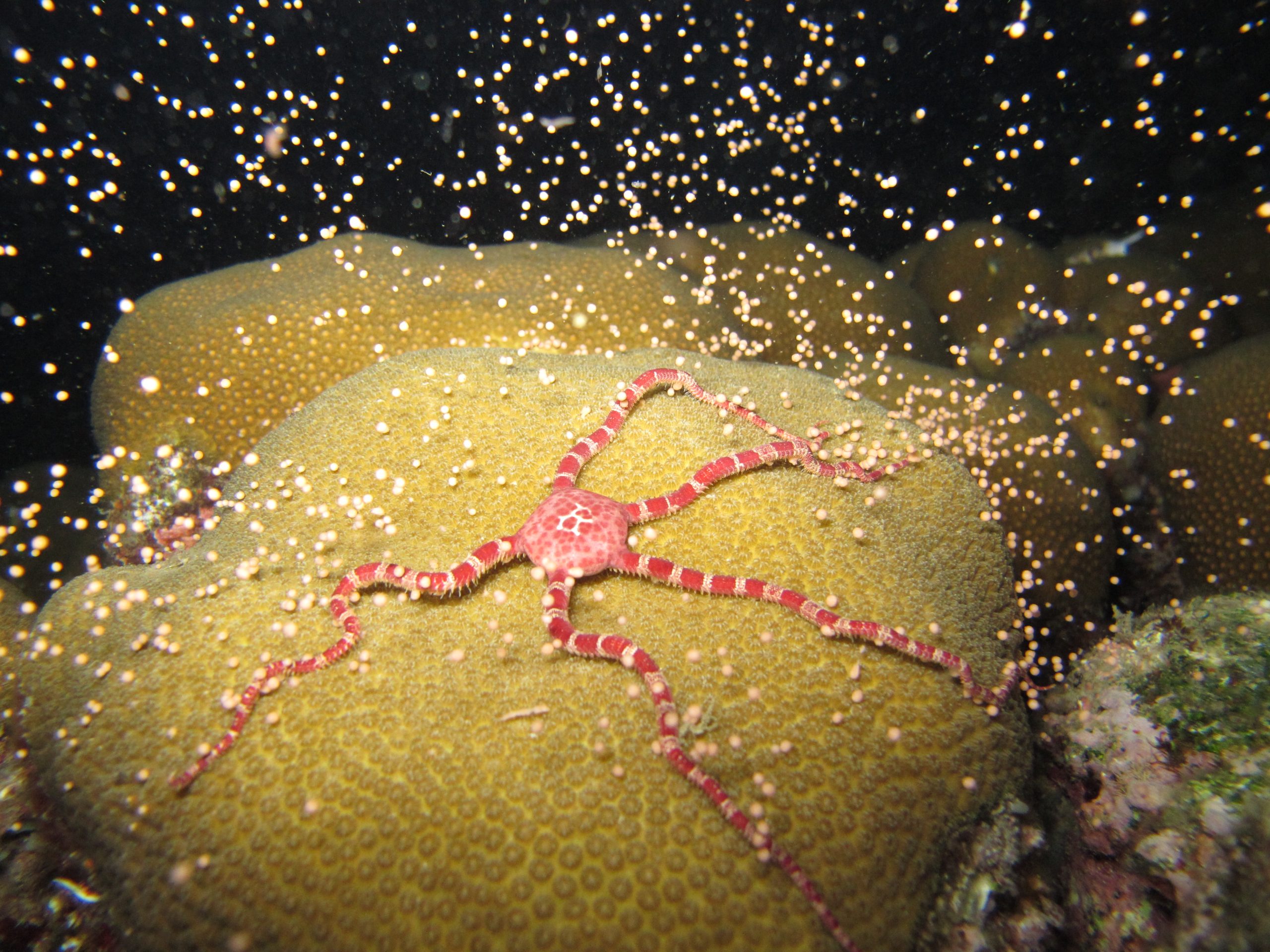
Mass coral spawning is a synchronized reproductive event where entire populations of stony corals release their gametes (eggs and sperm) into the water simultaneously. In The Bahamas, this typically occurs in late August or September, several nights after the full moon, when water temperatures, lunar cycles, and tidal conditions align.
The timing is not random. Research published in the journal Coral Reefs has shown that spawning is triggered by a precise combination of factors: sea surface temperatures (usually above 27.5°C), specific lunar phases (typically 3-8 nights after a full moon), and reduced wave action. When all conditions converge for a coral species, the result is a mass release of billions of reproductive cells across the reef.
Most Caribbean stony corals are broadcast spawners, meaning they release both eggs and sperm into the open water where fertilization occurs externally. Some species are hermaphroditic, producing both egg and sperm bundles, while others have separate male and female colonies. The synchronization ensures that gametes from different colonies, and even different species, have the best chance of meeting in the water column.
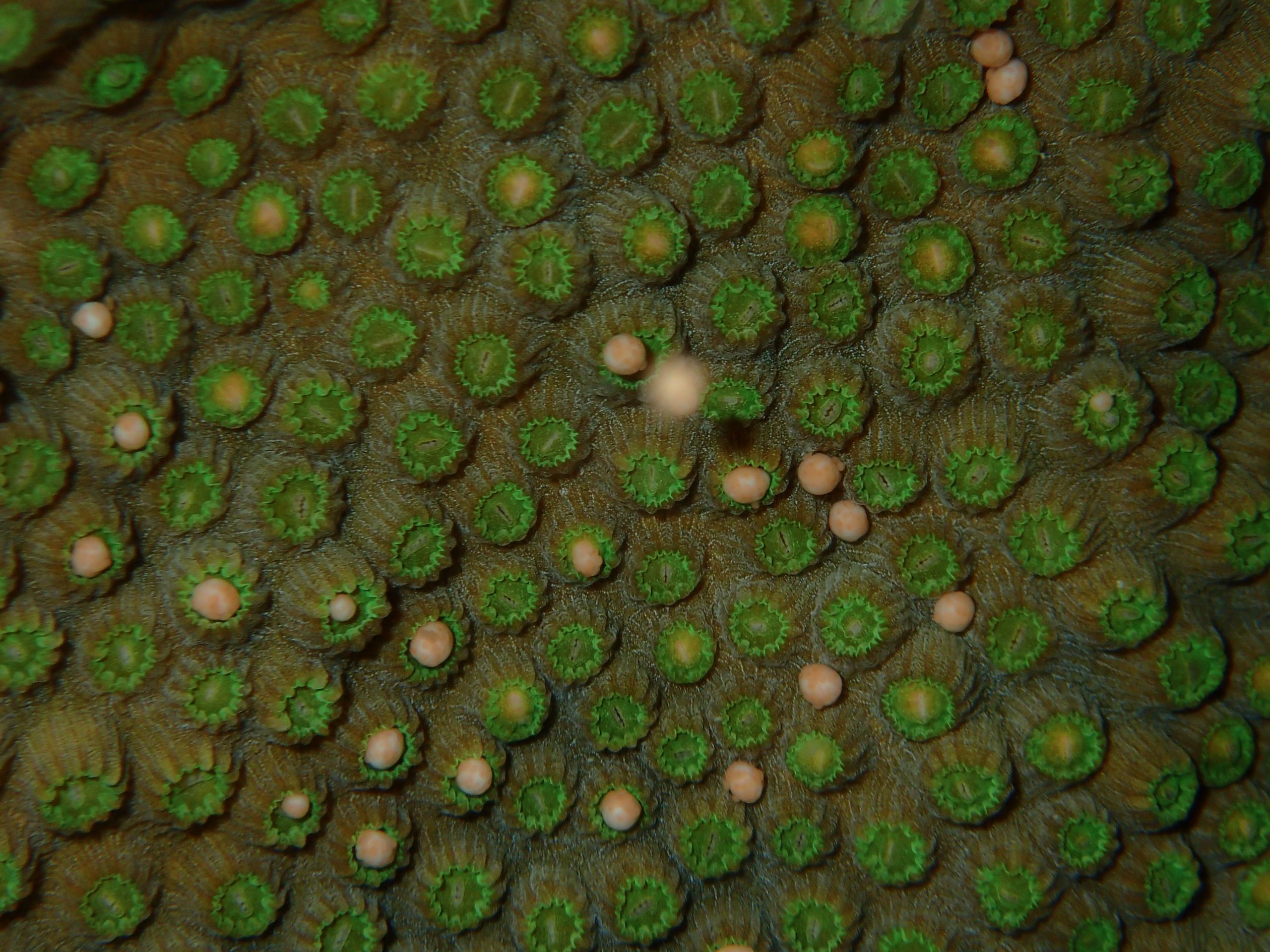
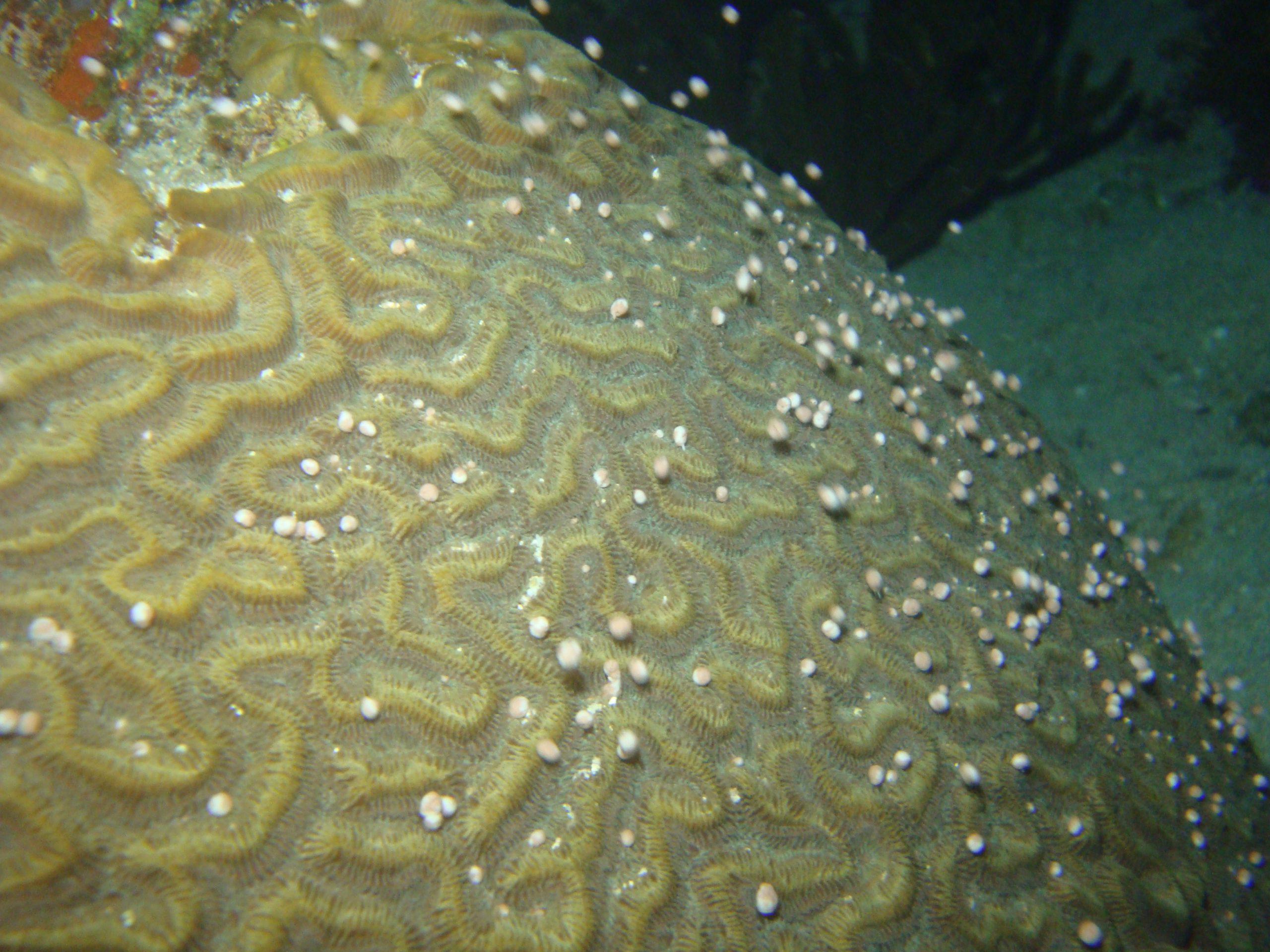
A brain coral (Pseudodiploria strigosa) releasing gamete bundles. Spawning is timed to full moon cycles, typically occurring days after the August or September full moon.
Why Coral Spawning Is Critical for Reef Recovery
Bahamian reefs have endured extraordinary stress in recent decades. Mass bleaching events driven by rising ocean temperatures, the devastating spread of Stony Coral Tissue Loss Disease (SCTLD), and the long-term impacts of white band and black band disease have reduced living coral cover across the Caribbean by an estimated 60-80% since the 1970s.
Spawning is the primary mechanism through which reefs replenish themselves. Each spawning event produces genetically unique larvae through sexual recombination. This genetic diversity is not just academic. It is the raw material for adaptation. Among the millions of larvae produced in a single spawning event, some will carry genetic combinations that make them more tolerant of warmer temperatures, more resistant to disease, or better able to compete for space on a degraded reef.
The Gene Bank: Securing Coral Futures
The Atlantis Blue Project Foundation and Perry Institute for Marine Science (PIMS) are working together to harness the power of coral spawning through coral gene banking. By collecting spawn from genetically diverse parent colonies, researchers can rear larvae in controlled conditions, dramatically increasing survival rates compared to the open ocean where fewer than 1 in a million larvae survive to settlement.
Gene banking creates a living library of coral genetic diversity, preserving the adaptive potential of reef populations even as wild reefs face unprecedented threats. These banked corals can be outplanted to degraded reefs through active coral restoration programs, accelerating natural recovery.
Spawning and the Bahamian Blue Economy
Healthy coral reefs are the foundation of The Bahamas’ marine economy. According to a Conservation International assessment, Caribbean coral reefs generate an estimated $36 billion annually through tourism, fisheries, and coastal protection services. In The Bahamas, where tourism accounts for roughly 50% of GDP, the economic value of reef health is not abstract. It is the difference between a thriving economy and a struggling one.
Coral spawning sustains this economy in ways that extend far beyond the reefs themselves:
- Fisheries: The larvae and juvenile corals that result from spawning create the reef structure that serves as habitat for commercially important species including Nassau grouper, snapper, and lobster.
- Tourism: Vibrant, living reefs attract divers and snorkelers from around the world. The iconic coral formations that visitors come to see exist only because spawning events have been replenishing them for millennia.
- Coastal Protection: Healthy reef structures, continuously rebuilt through coral growth after spawning, act as natural breakwaters. They reduce wave energy by up to 97% before it reaches shore, protecting coastlines from storm surge and erosion. This is especially critical in a hurricane-prone archipelago.
- Food Web Support: Mass spawning events release enormous quantities of nutrient-rich reproductive material into the water column. This pulse of energy feeds plankton, small fish, whale sharks, and manta rays, supporting the entire marine food web for weeks after the event.