

Travel • Diving • The Bahamas
Green Turtle Cay Travel Guide for Divers
Tucked into the Sea of Abaco in the northern Bahamas, Green Turtle Cay is a three-by-half-mile island that punches far above its weight for divers. Dramatic coral caverns, a Civil War-era wreck, wild turtles, and an active coral nursery where you can actually plant corals. This guide covers everything you need to plan your trip.
📍 Location
Abaco, Bahamas. 3 miles off Treasure Cay, with ferry access from the mainland.
🌊 Water Temp
75 to 84°F (24 to 29°C) year-round. Wetsuit recommended November through April.
👁️ Visibility
60 to 100+ feet typical. Best visibility from March through July.
🐠 Marine Life
Green and hawksbill turtles, nurse sharks, groupers, tarpon, eagle rays, reef fish.
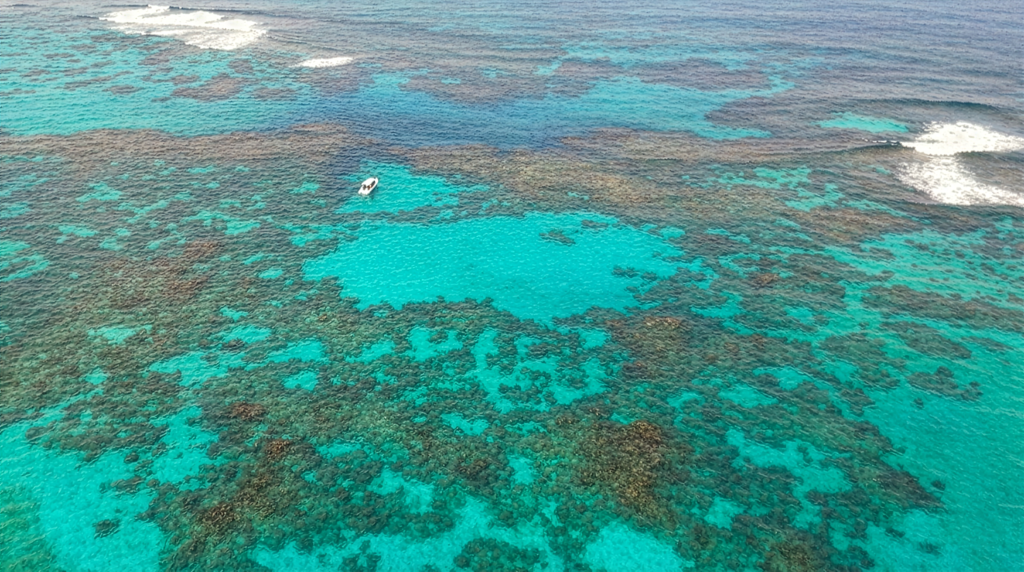
Getting to Green Turtle Cay
Green Turtle Cay doesn’t have its own airport, so you’ll fly into Treasure Cay Airport (TCB) on Great Abaco and take a short ferry ride across the Sea of Abaco.
| Route | Details |
|---|---|
| From Nassau (NAS) | Bahamasair flies daily to Treasure Cay (~45 min). Most reliable option. |
| From Fort Lauderdale (FLL) | Silver Airways and Bahamasair offer direct flights to Treasure Cay. |
| From Miami (MIA) | Connect through Nassau or Fort Lauderdale to Treasure Cay. |
| Ferry to GTC | Green Turtle Ferry runs from the Treasure Cay ferry dock (~10 min, $17 round trip). Runs regularly during daylight hours. |
Pro tip: Book your ferry schedule around your flight times. The last ferry typically runs at 4:30 PM. If you arrive later, water taxi services are available but should be arranged in advance.
Best Dive Sites at Green Turtle Cay
The diving around Green Turtle Cay offers real variety, from shallow coral gardens and dramatic cavern systems to historic wrecks and active restoration sites.
Coral Caverns
The signature dive site. Towering coral formations create dramatic swim-throughs, cathedral-like arches, and deep cuts where nurse sharks rest and massive groupers cruise. The topography is unlike anything else in the Abacos: walls of coral rising from sandy channels, with light filtering through overhead gaps. It’s right next to the coral nursery, making it a natural pairing for a two-tank dive.
The Catacombs
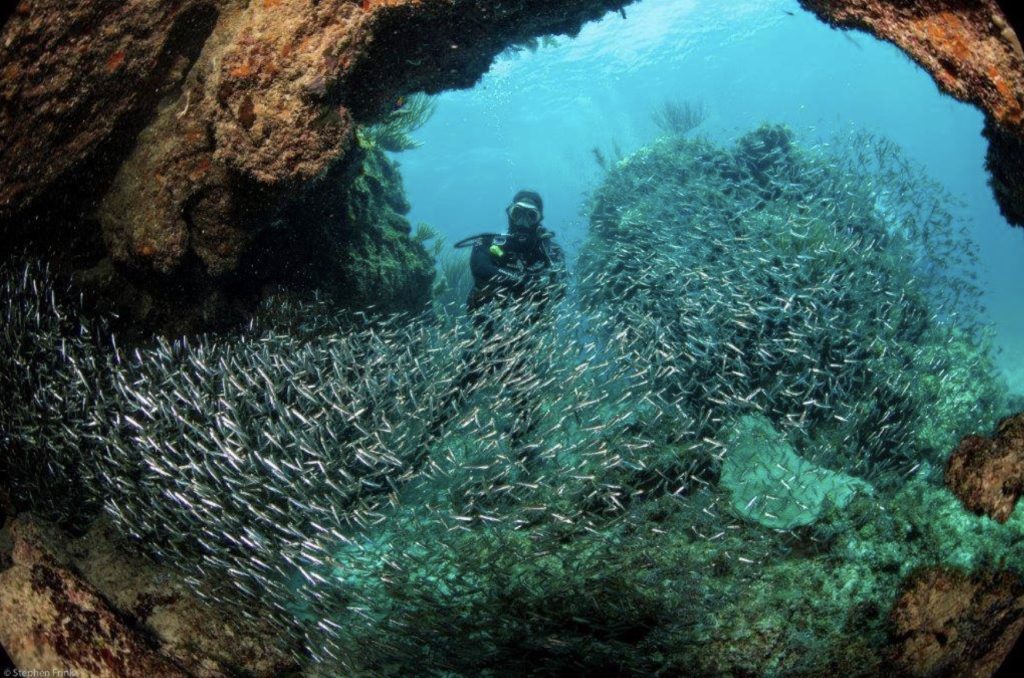
A labyrinth of interconnected tunnels and overhangs in a massive reef structure. Schools of tarpon hang in the darker recesses, while lobster and moray eels tuck into crevices. This site rewards slow exploration; every nook reveals something new. A favorite for underwater photography.
USS Adirondack (Civil War Wreck)
A United States Navy steam frigate that sank in 1862 during the American Civil War. Now encrusted with coral and home to a thriving ecosystem of reef fish, the wreck sits in relatively shallow water with good visibility. It’s one of the most historically significant dive sites in The Bahamas, and a magnet for sharks and large pelagics.
Reef Rescue Network Coral Nursery
More than a dive site: a working coral restoration project. Underwater “trees” hold hundreds of staghorn and elkhorn coral fragments growing to outplanting size. On RRN Expeditions, divers harvest corals from the nursery and plant them onto nearby reef sites under scientific guidance. Even as a recreational dive, seeing the nursery in action is striking.
Turtle Lagoon
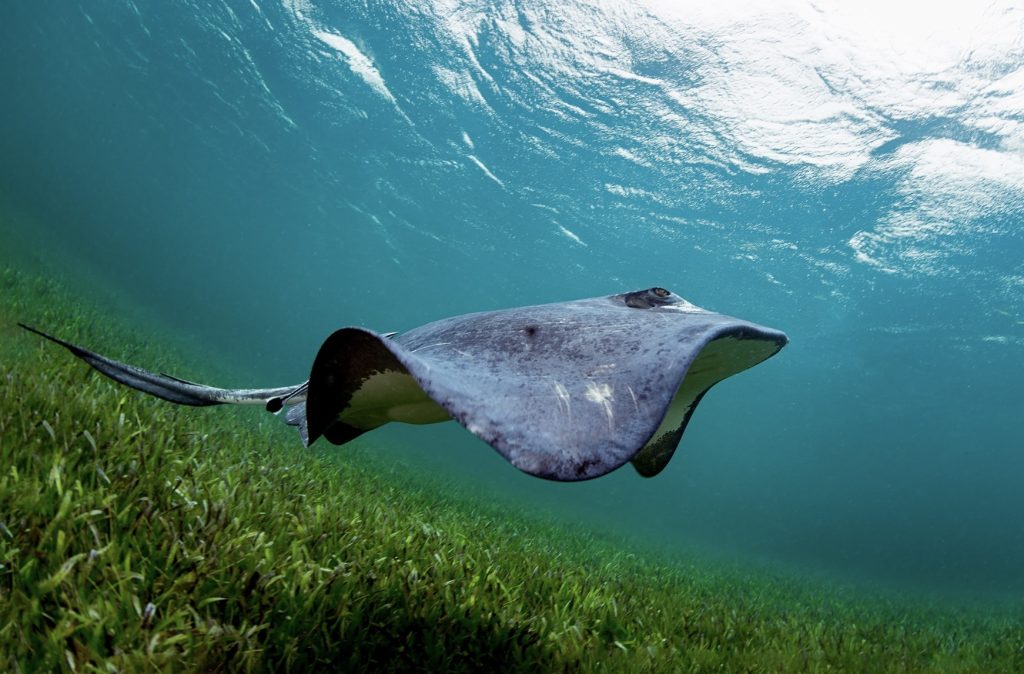
A sheltered area where wild green turtles and hawksbill turtles feed on seagrass beds. Accessible by boat, it’s a world-class snorkeling spot where you can observe turtles in their natural habitat from just a few feet away. No certification needed, and perfect for non-diving companions.
When to Visit
Best Months for Diving
March through July offers the best combination of warm water (78 to 84°F), peak visibility (80 to 100+ ft), and calm seas. April is particularly special: coral spawning season begins, and PIMS runs its annual coral restoration expedition.
November through February brings cooler water (75 to 78°F) and occasional cold fronts that can reduce visibility, but there are fewer visitors and the marine life is still excellent.
Hurricane season runs June through November, with August and September carrying the highest risk. Travel insurance is always a good idea.
Where to Stay
Green Turtle Cay has a range of accommodation, from charming guesthouses to waterfront villas:
- Bluff House Beach Resort & Marina: The island’s largest resort, with a hilltop pool, restaurant, and its own beach. Good base for divers with marina access.
- Leeward Yacht Club: Boutique waterfront cottages with a full-service marina. Popular with boaters and divers alike.
- Vacation rentals: Several private homes and cottages are available through VRBO and Airbnb. Best for groups or extended stays.
- New Plymouth Inn: A historic guesthouse in the heart of the settlement, walking distance to restaurants and the ferry dock.
Island Culture and Things to Do
Green Turtle Cay isn’t only for diving. The main settlement of New Plymouth is one of the most charming communities in The Bahamas: pastel cottages with white picket fences, a population of about 550, and a genuine warmth that makes visitors feel like neighbors.
- Miss Emily’s Blue Bee Bar: The legendary birthplace of the Goombay Smash. Essential.
- Albert Lowe Museum: The oldest museum in The Bahamas, covering the island’s Loyalist heritage dating back to the American Revolution.
- Sculpture Garden: An outdoor gallery by renowned local artist Alton Lowe.
- Coco Bay Beach: A pristine crescent of white sand on the island’s Atlantic side. Often empty.
- Sundowners: Watch the sunset from the deck with a rum punch. The name says it all.
Dive + Conservation: The PIMS Expedition
If you want more than recreational diving, the Green Turtle Cay Expedition run by the Perry Institute for Marine Science is the best way to experience the island. Over 7 nights, you’ll:
- Dive the Coral Caverns, Catacombs, and USS Adirondack
- Plant corals on degraded reef sites alongside PIMS marine scientists
- Earn your PADI Reef Rescue Diver specialty certification
- Snorkel with wild green and hawksbill turtles at the Turtle Lagoon
- Join a small group of just 8 divers for an intimate, mentorship-driven experience
The 2026 expedition runs April 12 to 19. It sells out quickly, with only 8 spots available.
Dive Green Turtle Cay with Marine Scientists
Join the 2026 Coral Restoration Expedition: 7 nights of diving, conservation, and island life in the Bahamas. Only 8 spots.
View Expedition Details →Practical FAQ
Do I need a visa for The Bahamas?
US, Canadian, and UK citizens do not need a visa for stays under 90 days. You’ll need a valid passport, a return ticket, and a completed Bahamas Health Travel Visa (free online form). Citizens of other countries should check the Bahamas Ministry of Tourism website.
Is there a dive shop on the island?
Brendal’s Dive Center is the main dive operation on Green Turtle Cay, offering guided dives, snorkel trips, and equipment rentals. The PIMS expedition includes all dive logistics.
What certification level do I need?
PADI Open Water (or equivalent) is sufficient for most dive sites, including the coral nursery. The Catacombs and wreck dive are better suited to Advanced Open Water divers. Non-certified divers can still enjoy world-class snorkeling.
Is it safe?
Green Turtle Cay is one of the safest destinations in The Bahamas. It’s a tiny, tight-knit community where everyone knows everyone. Standard travel precautions apply, same as anywhere.
How much does a week on Green Turtle Cay cost?
Budget roughly $150 to $300/night for accommodations, $120 to $180/day for a two-tank dive, plus meals ($15 to $40/plate at local restaurants). Flights to Treasure Cay vary by season; expect $200 to $500 round trip from South Florida. The PIMS expedition is $2,999 all-inclusive (diving, accommodation, meals, certification).
The Perry Institute for Marine Science has been conducting marine research at Green Turtle Cay and throughout The Bahamas for over 50 years. Learn about the Reef Rescue Network →
