

Racing for Resilience: PIMS & RRN Partner with Erica Lush in La Solitaire du Figaro
From coral nurseries to Europe’s hardest solo offshore race; why our science belongs at sea.
Who is Erica Lush?
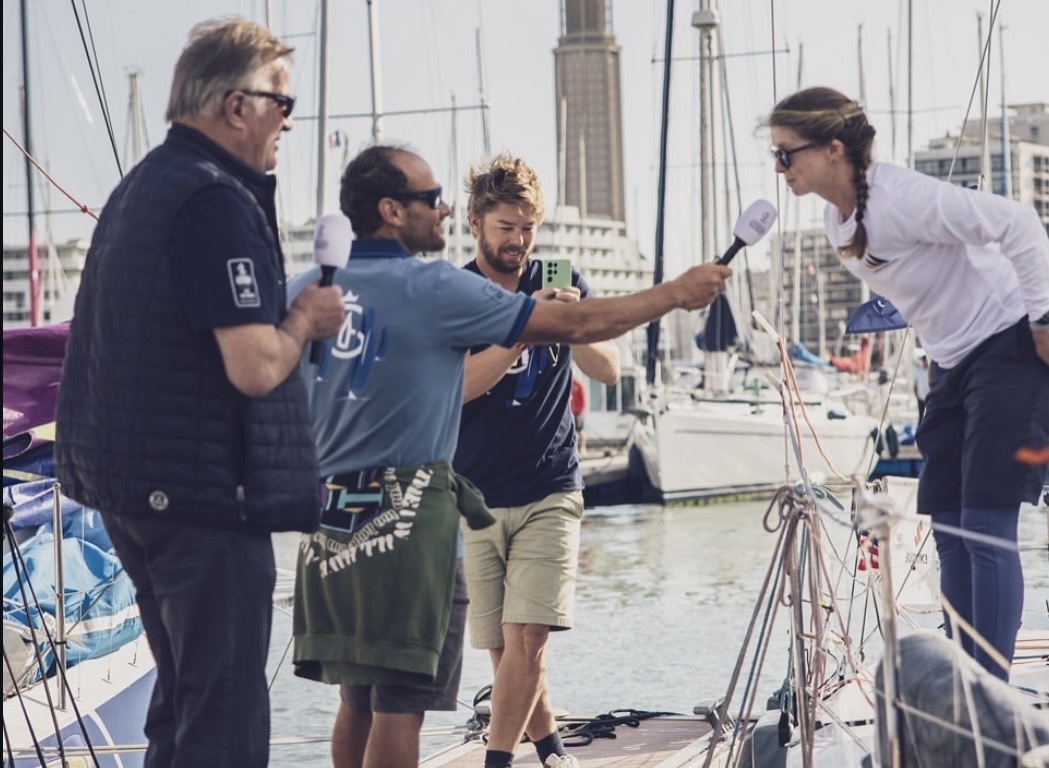
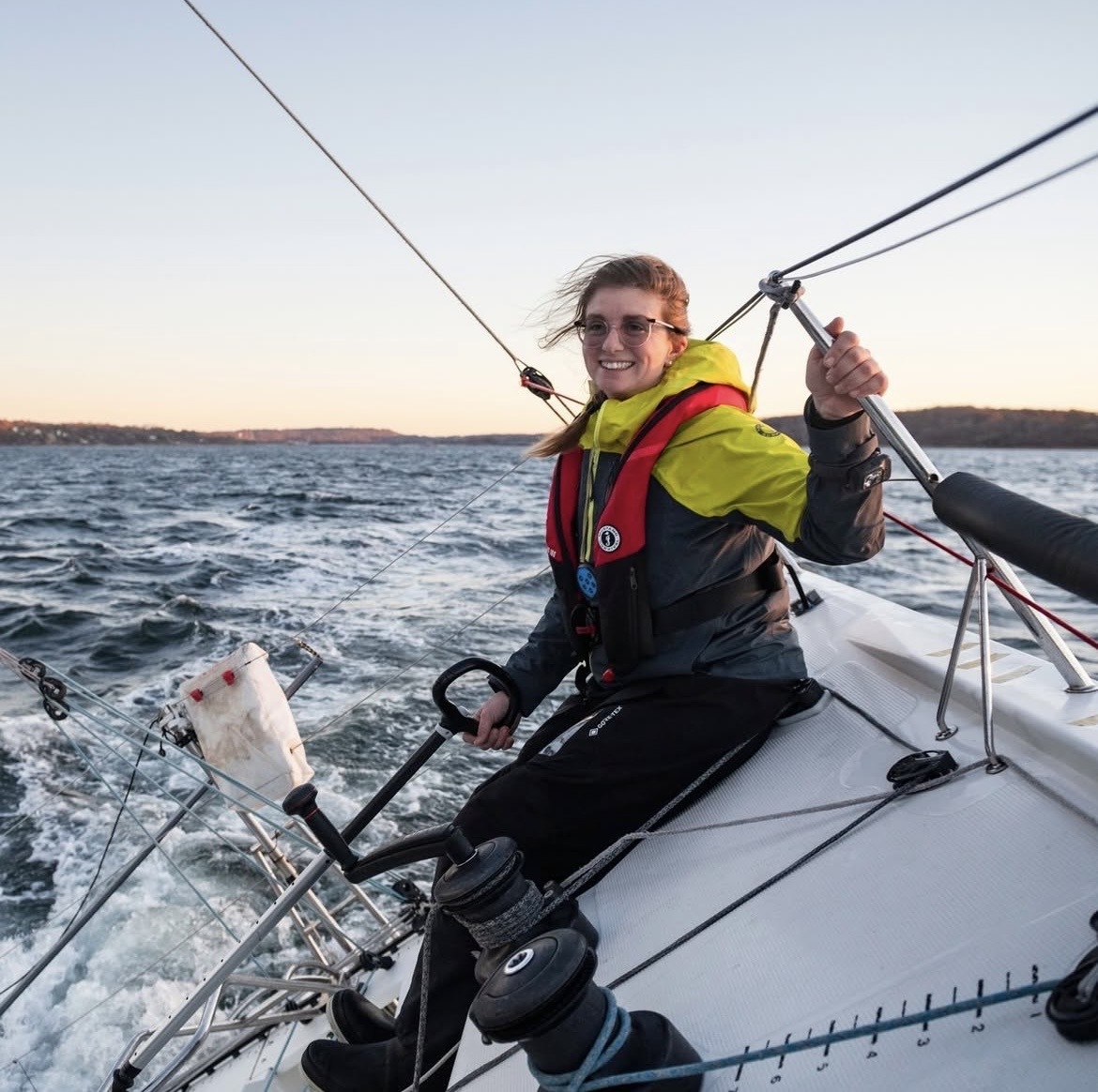
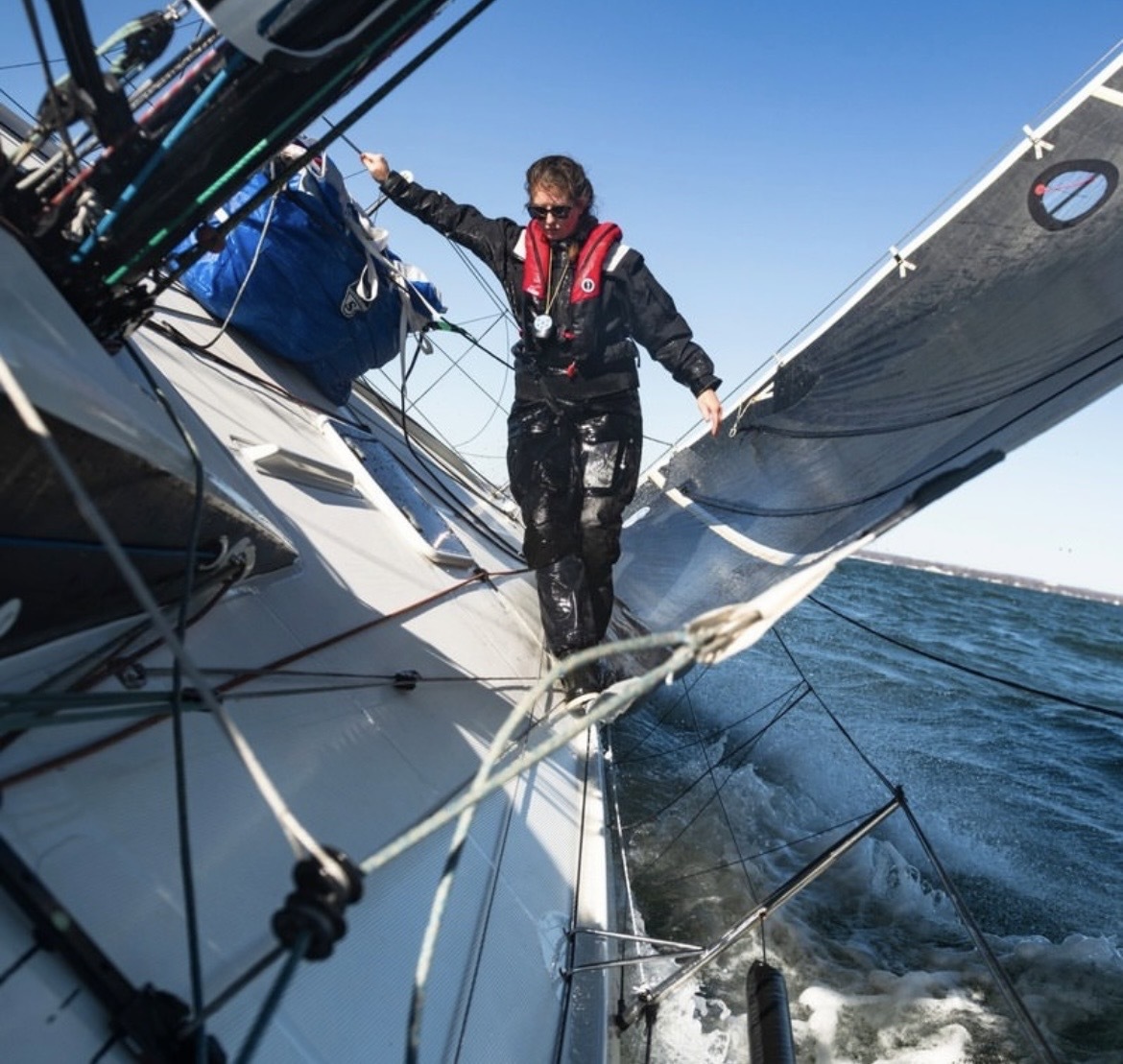
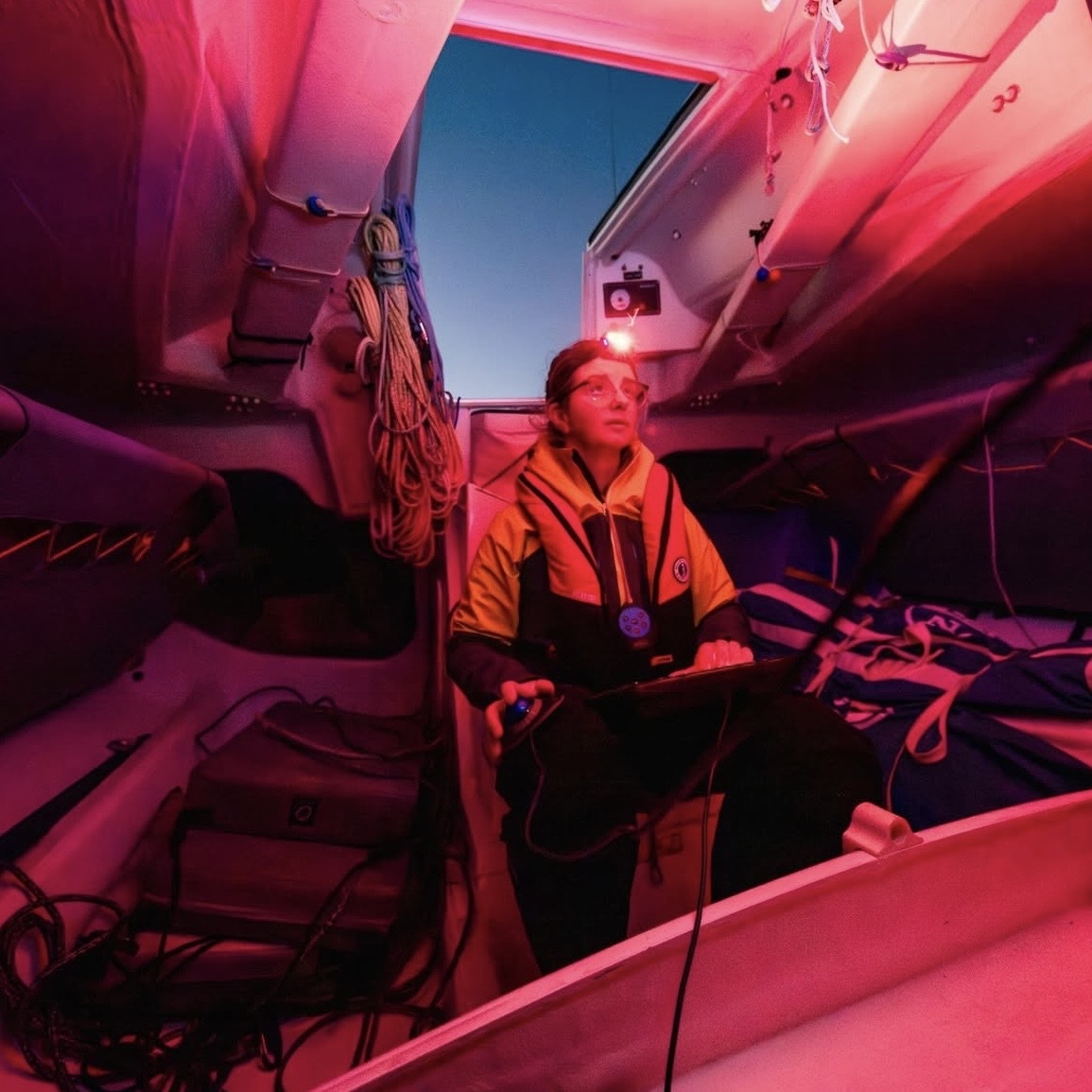
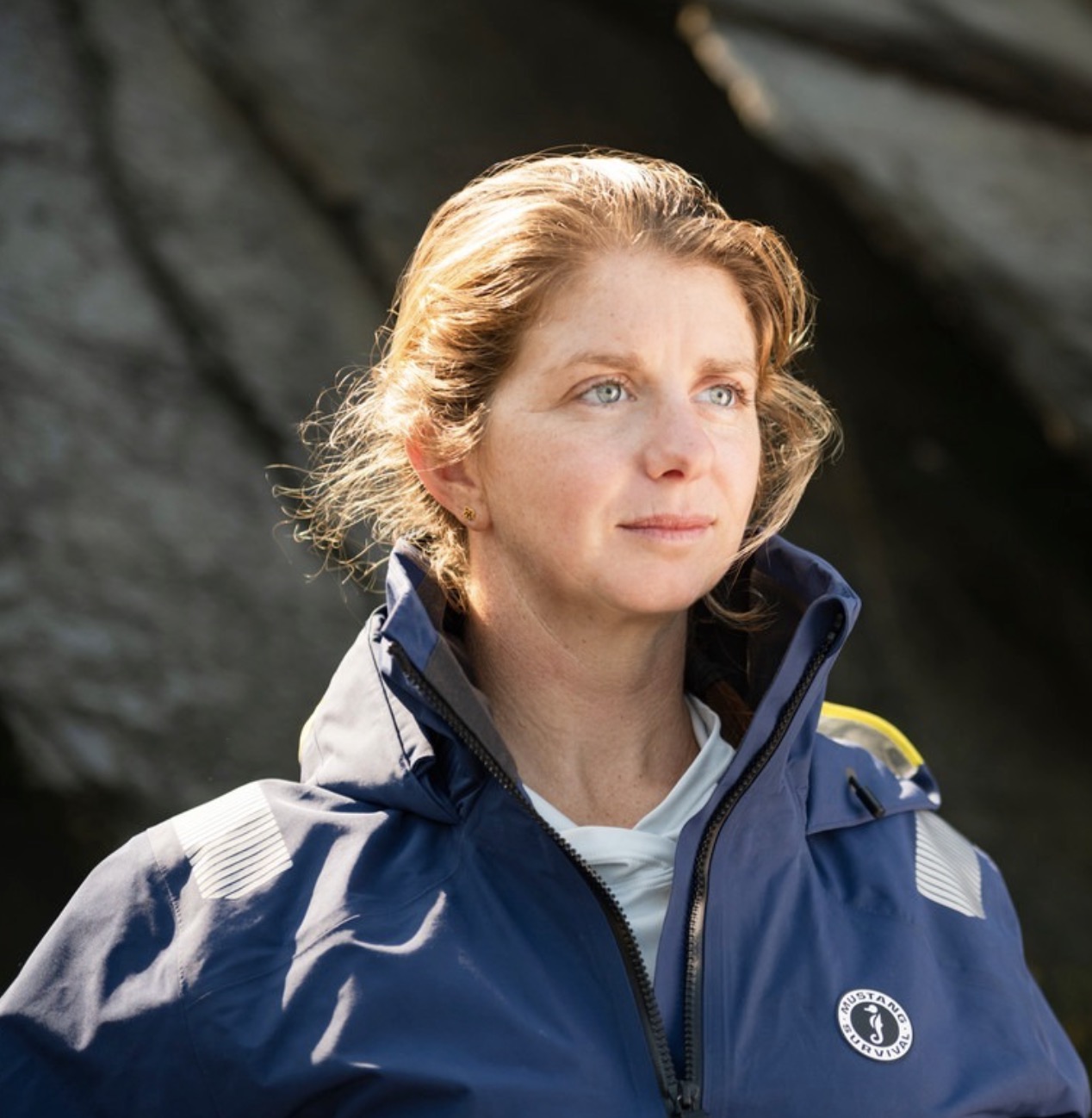 An American offshore sailor with over 75,000 nautical miles, Erica has raced through the Southern Ocean, rounded the great southern capes, and sailed in the Ocean Globe Race. In 2025 she based herself in Brittany, France, training at Lorient Grand Large—“basically a university for offshore sailing.”
Her campaign is unapologetically purpose-driven: I’m hoping to attract corporate sponsorship as part of my goal to carve a pathway for more Americans and more young women to enter the higher levels of the sport.
(Sailing World).
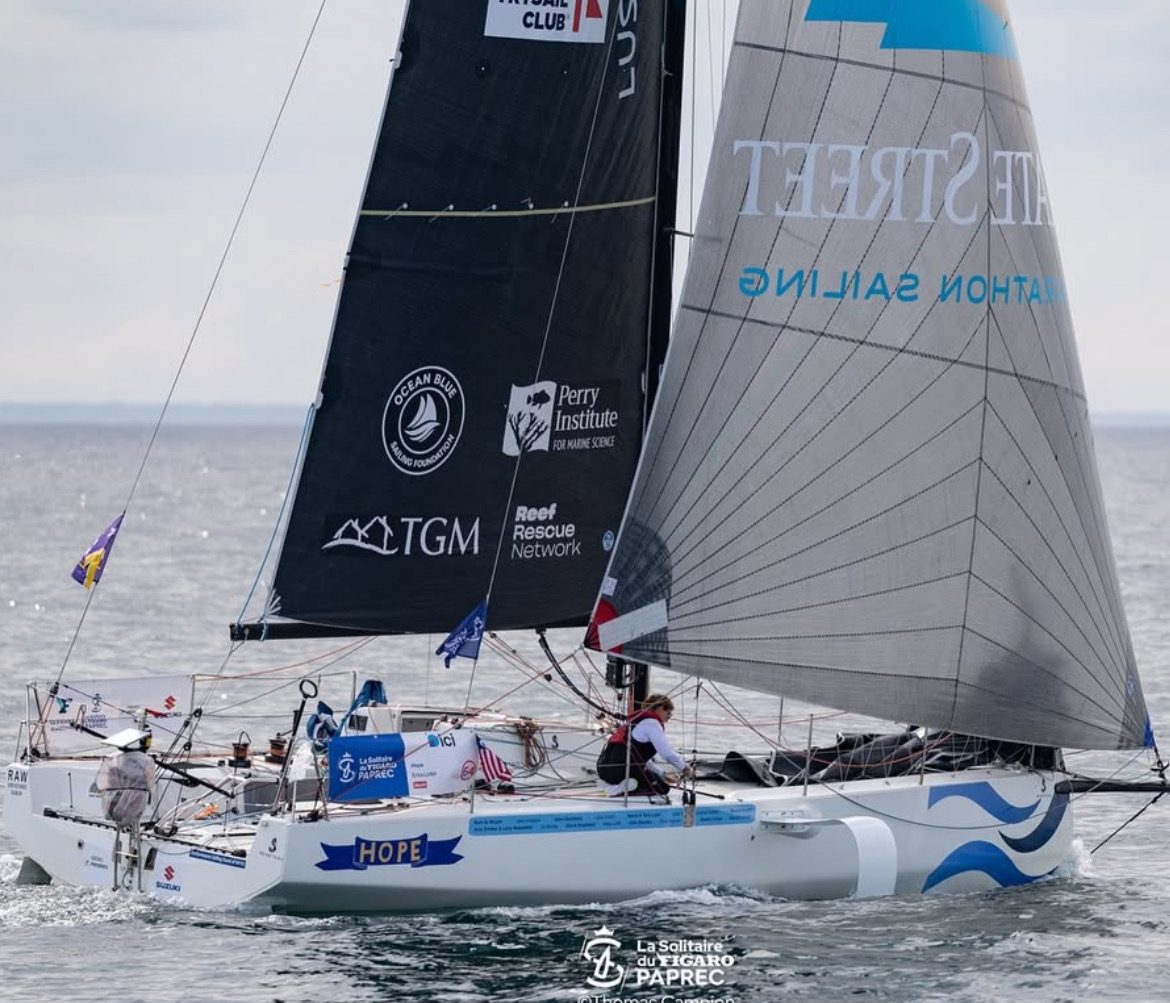
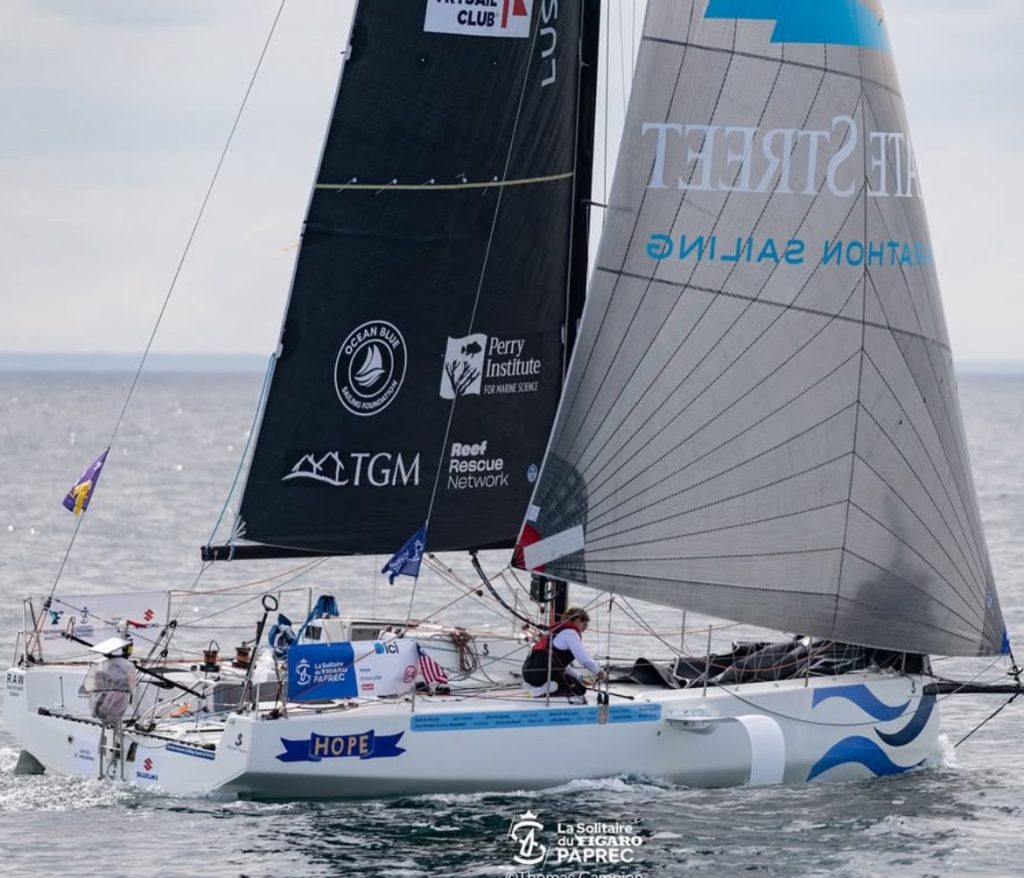
Erica sails aboard Hope, a Figaro BENETEAU 3 named after her home state of Rhode Island’s motto. As she says: “All challenges begin with a foundation of hope… Regardless of the result of this regatta, the fact that I am here and competing with legends of the sport shows that it is possible for women and Americans to become powerhouses in offshore sailing.”
WindCheck Magazine captured her mission best: her Lush Sailing campaign is aimed at developing equitable opportunities for female offshore sailors and growing American development in the sport.
Photo credit (above): C.Brown / La Solitaire du Figaro Paprec 2025
About the Race
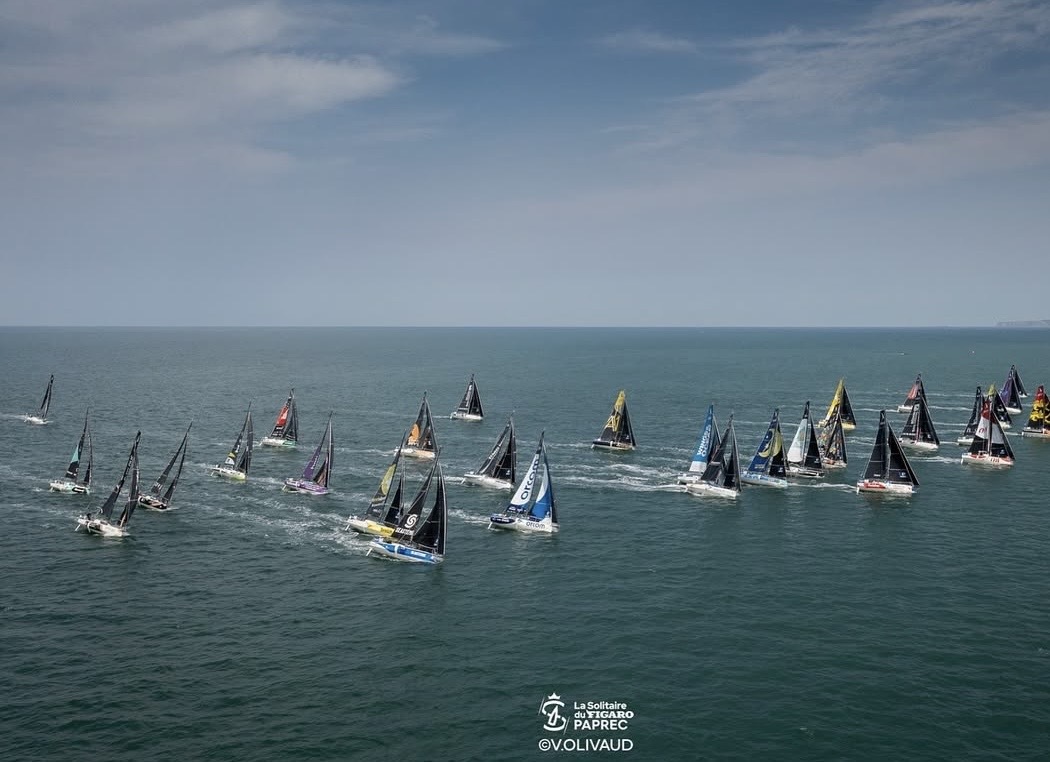
La Solitaire du Figaro is considered the “Tour de France of sailing.” It is a proving ground for solo sailors: three legs, each over 600 nautical miles, across the Bay of Biscay and Atlantic coastlines that have launched Vendée Globe careers.
- Leg 1: Rouen → Baie de Morlaix (Sept 7–14, 2025)
- Leg 2: Baie de Morlaix → Vigo, Spain (565 nm)
- Leg 3: Vigo → Saint-Vaast-la-Hougue, France — described by race officials as “fraught with pitfalls”
Track Erica’s progress live: Official Cartography.
The opening leg started September 7 at 1:02 p.m. local time from Le Havre, France, sending sailors on a 673-nautical-mile course around Ireland’s Fastnet Lighthouse, past the Isles of Scilly, and finishing in Baie de Morlaix. Solo sailors must not only master sails and navigation, but also manage their own nutrition and sleep — reasons the Solitaire is considered one of the world’s toughest races. Competitors are expected to finish Leg 1 on September 11.
Why PIMS & RRN Are Here
We restore coral reefs and empower coastal communities across the Caribbean. That work demands planning, patience, and performance under pressure—the same qualities Erica channels at sea. Sponsoring her European campaign introduces PIMS and RRN to new audiences while reinforcing our belief in science-backed action.
Results are good… but I just really want to become a stronger sailor.— Erica Lush
This campaign is also backed by a coalition of supporters including the Performance Sailing Fund of New York Yacht Club, Storm Trysail Club, Ocean Blue Sailing Foundation, TGM Real Estate, and many private donors — alongside PIMS and the Reef Rescue Network.
Eleven of twelve Bahamian seafood species are overfished. Now we have the numbers.
A new peer-reviewed paper in Frontiers in Marine Science delivers the first stock assessments for twelve commercially and culturally important Bahamian seafood species. Eleven of the twelve are overfished. Only dolphinfish comes out healthy.
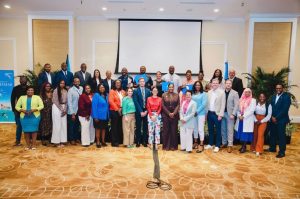
Bluequest Bahamas Wins National Award for Community Coral Restoration
Bluequest Bahamas, a Perry Institute Reef Rescue Network partner based at Delaporte Beach in Nassau, won the Community Conservation, Education, and Action (CCEA) award at the UN Tourism Bahamas Sustainable Islands Challenge. Here is how they built the coral restoration program that earned it.
Why Coral Spawning Matters and How It Works
Coral Science & Conservation The Birth of the Next Generation of Bahamian Reefs: Why Coral Spawning Matters Every year, under the light of a late-summer full moon, something extraordinary happens
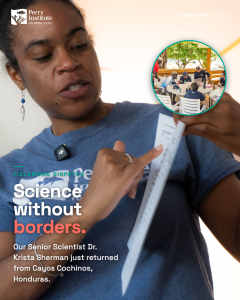
Listening for Nassau Grouper at Cayos Cochinos
Our Senior Scientist Dr. Krista Sherman just returned from her fourth year training Honduras Coral Reef Foundation staff on acoustic telemetry, listening for Nassau grouper at Roatan Bank.
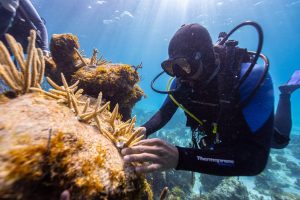
The Complete Guide to Planting Coral Reefs: Restoration Methods That Work
Plan your diving trip to Green Turtle Cay, Bahamas. Discover the best dive sites, coral reefs, how to get there, where to stay, and why this Abaco island is a hidden gem for underwater adventure.
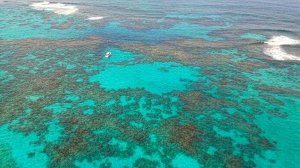
Green Turtle Cay Travel Guide for Divers
Plan your diving trip to Green Turtle Cay, Bahamas. Discover the best dive sites, coral reefs, how to get there, where to stay, and why this Abaco island is a hidden gem for underwater adventure.